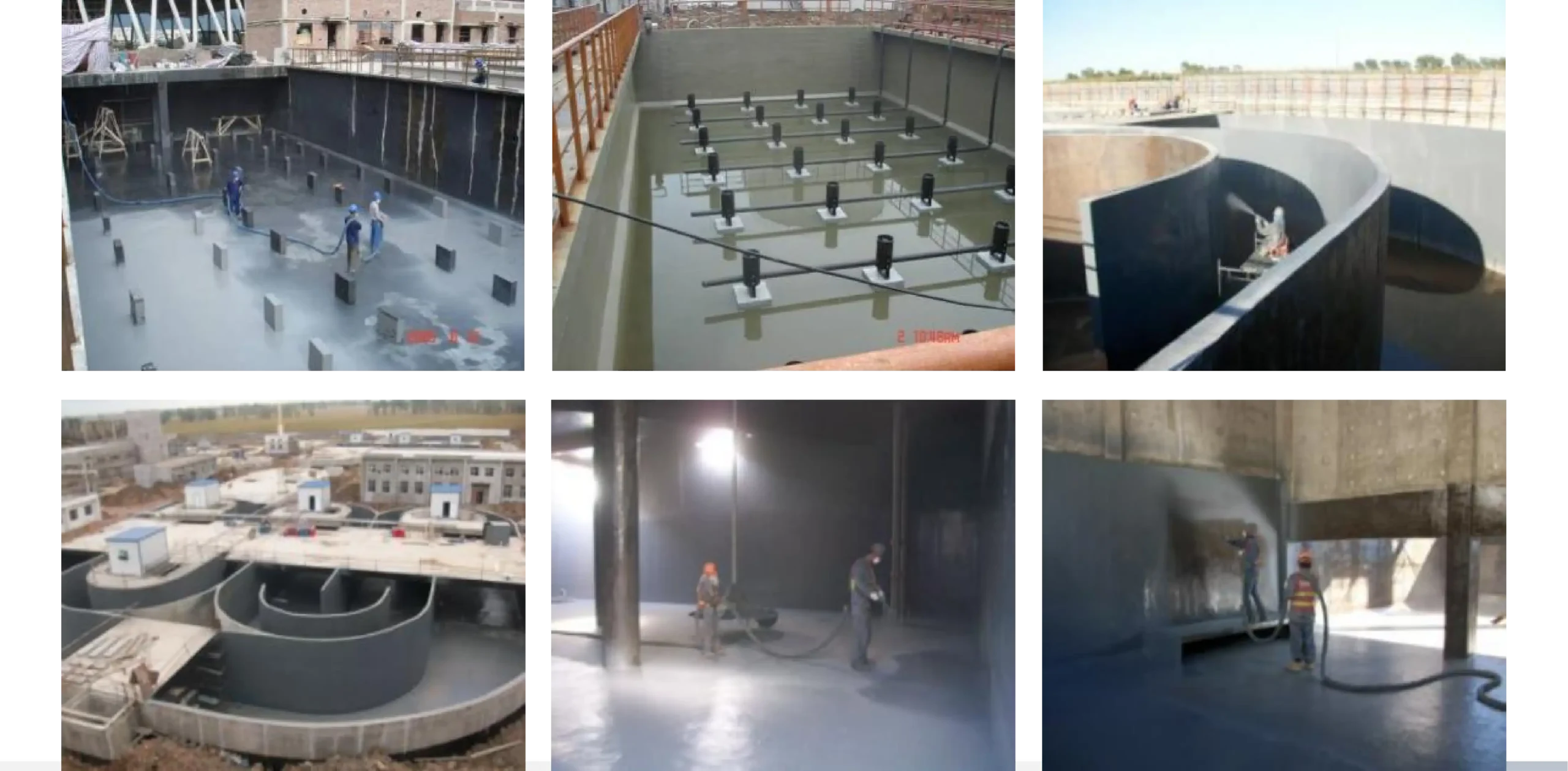
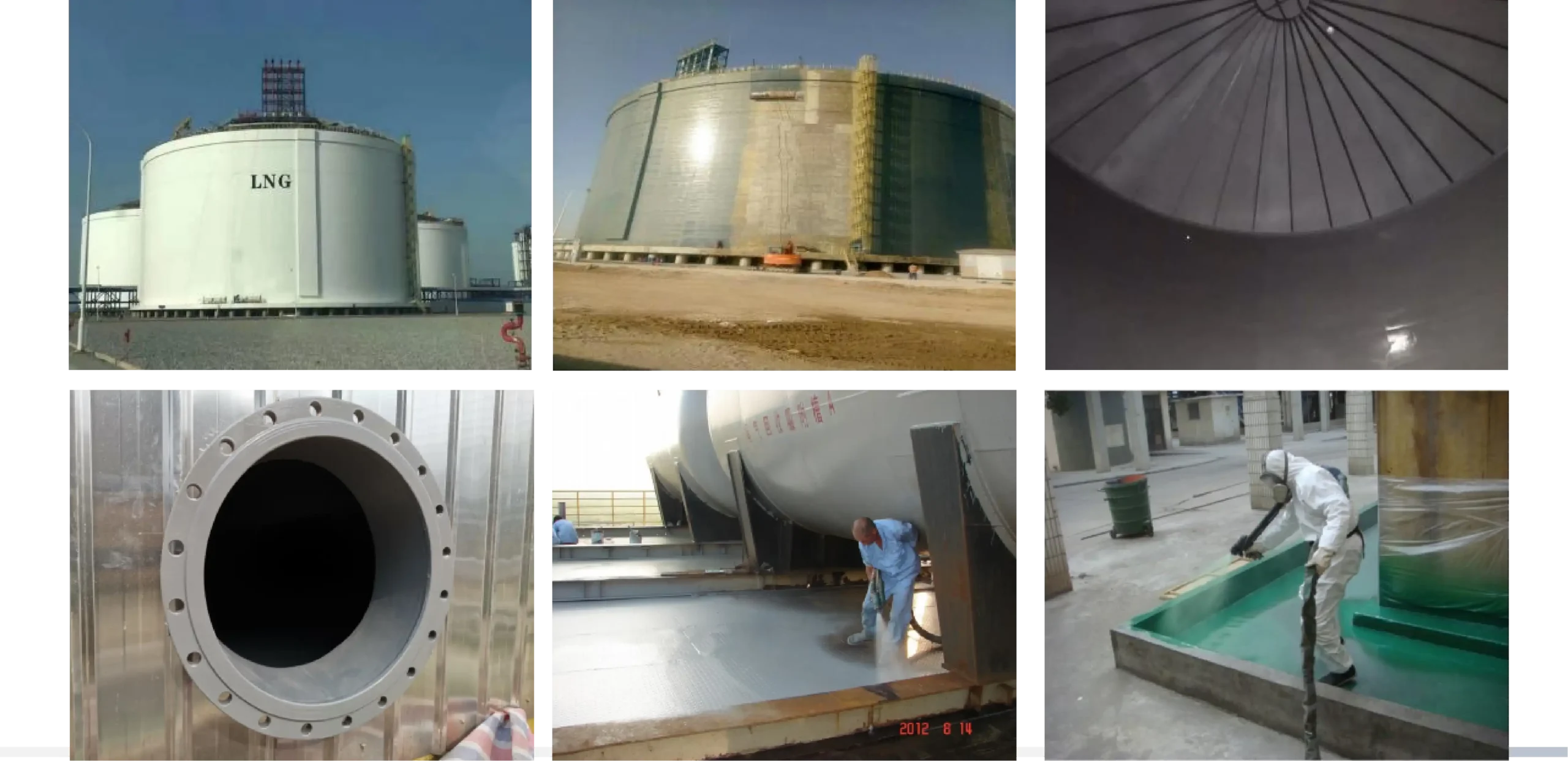
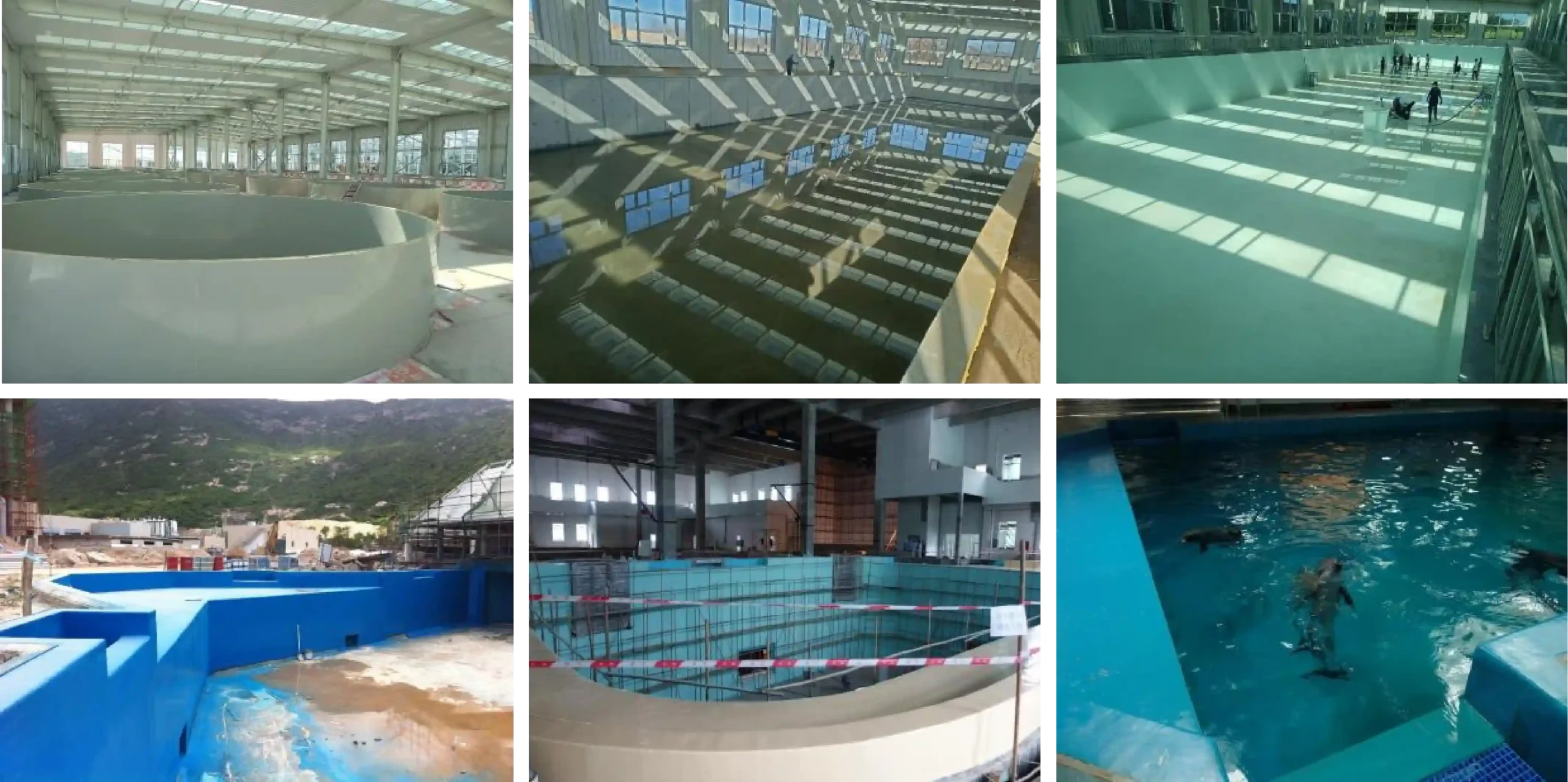
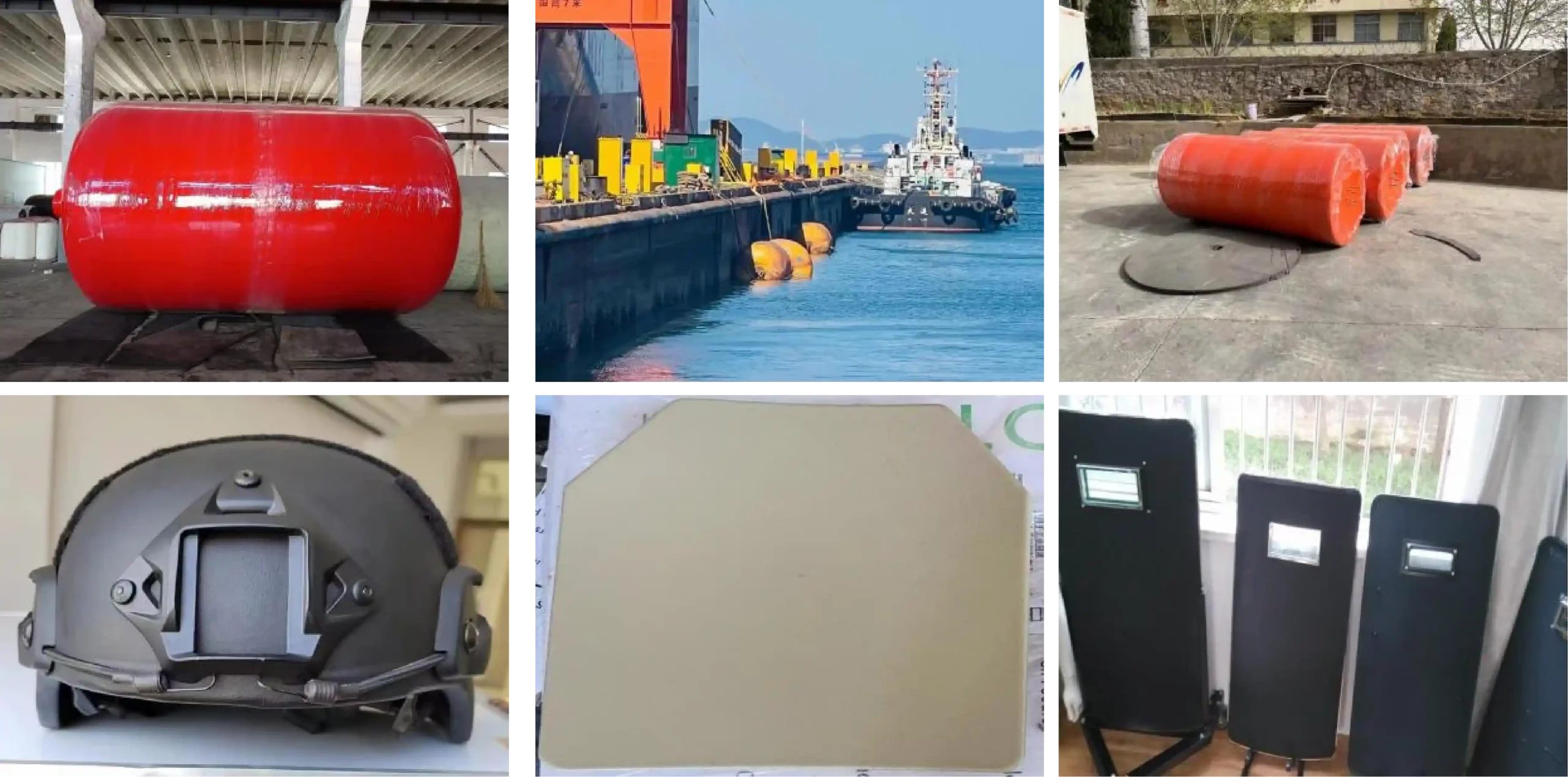
1.1 Brief Introduction to Two-component Spray Polyurea Material System
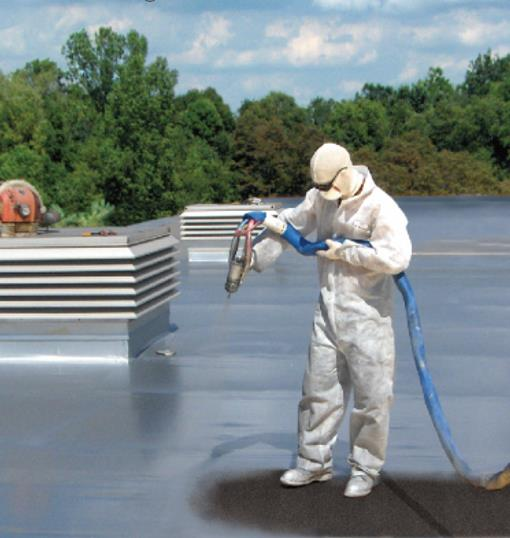
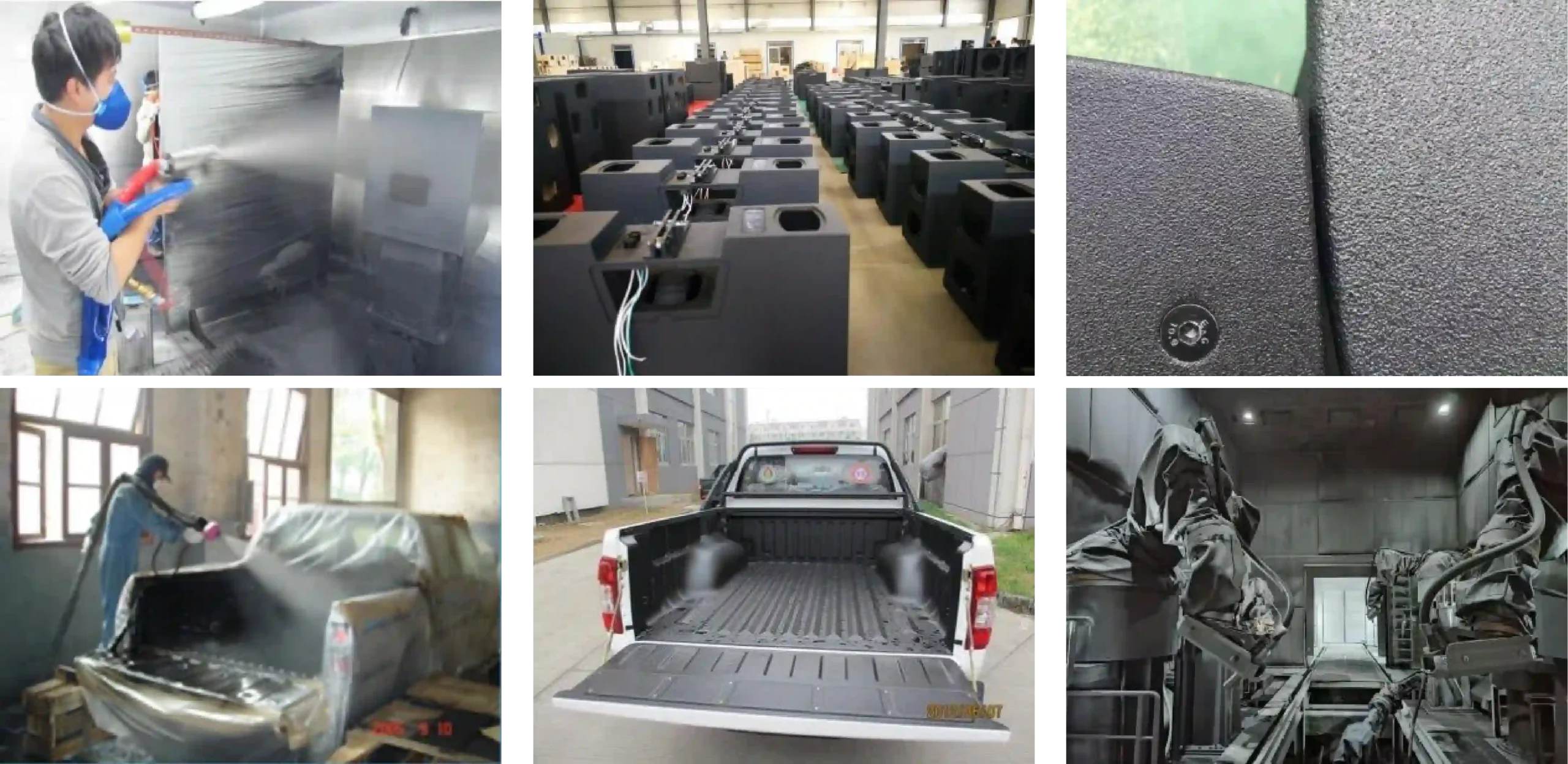
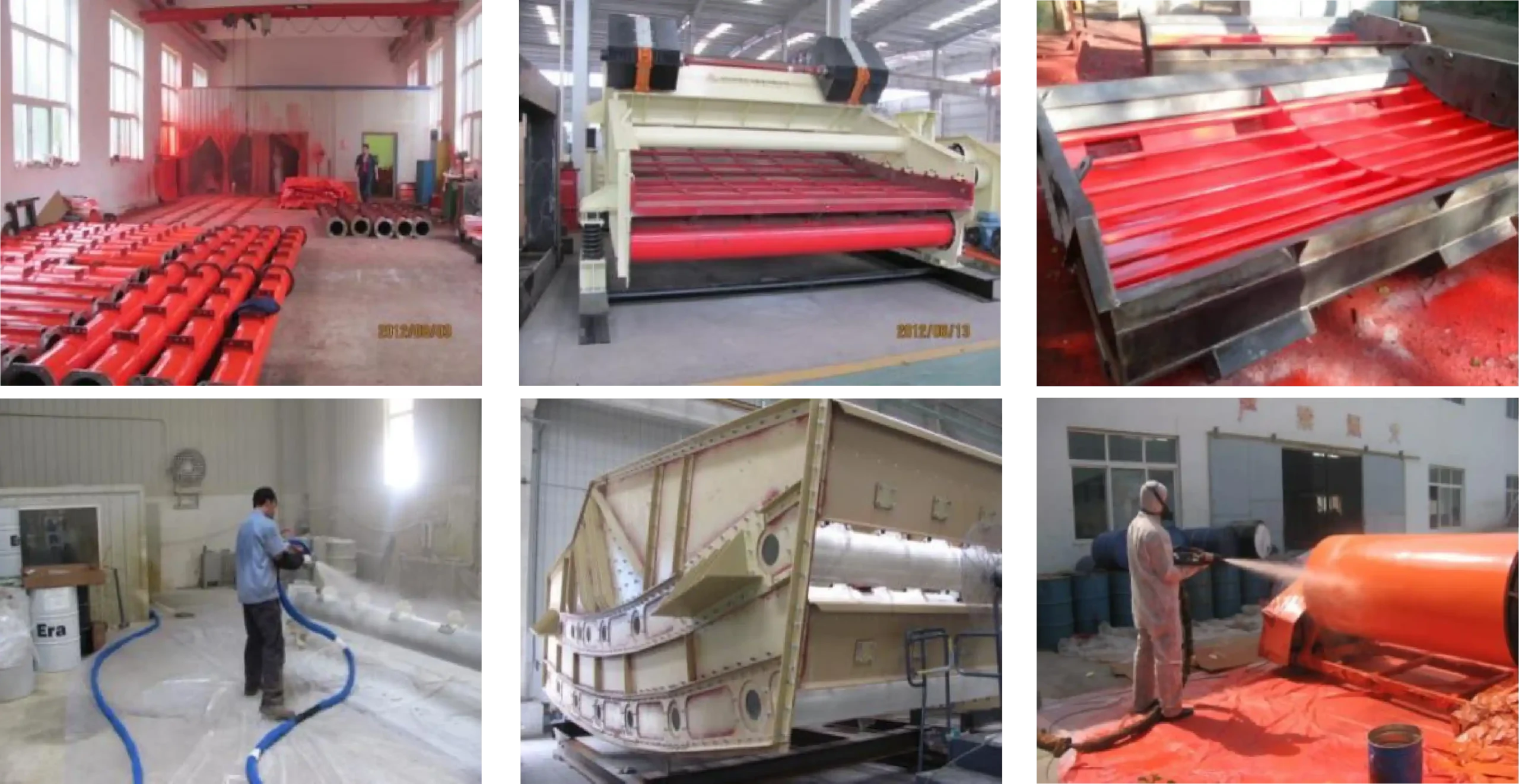
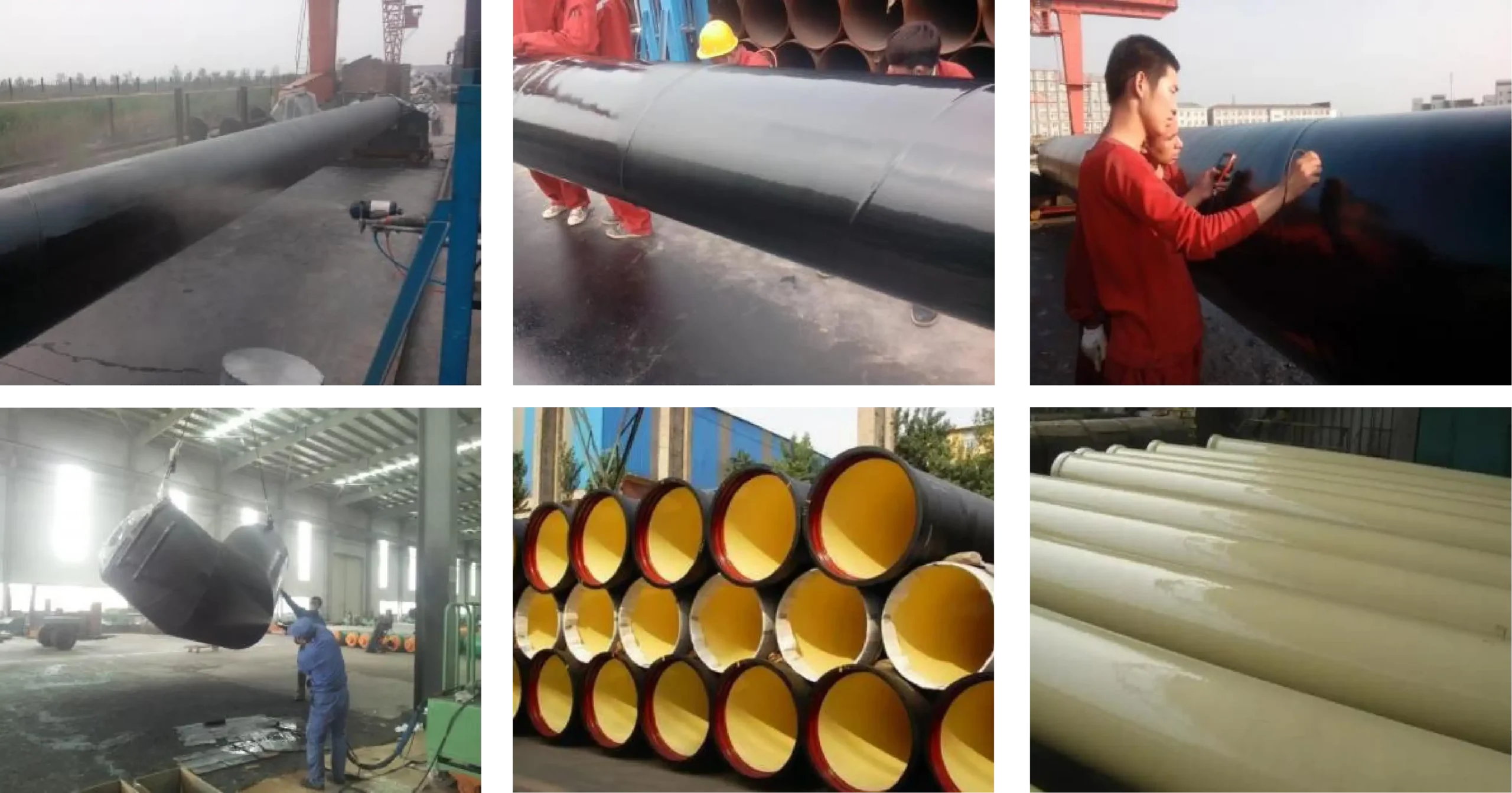
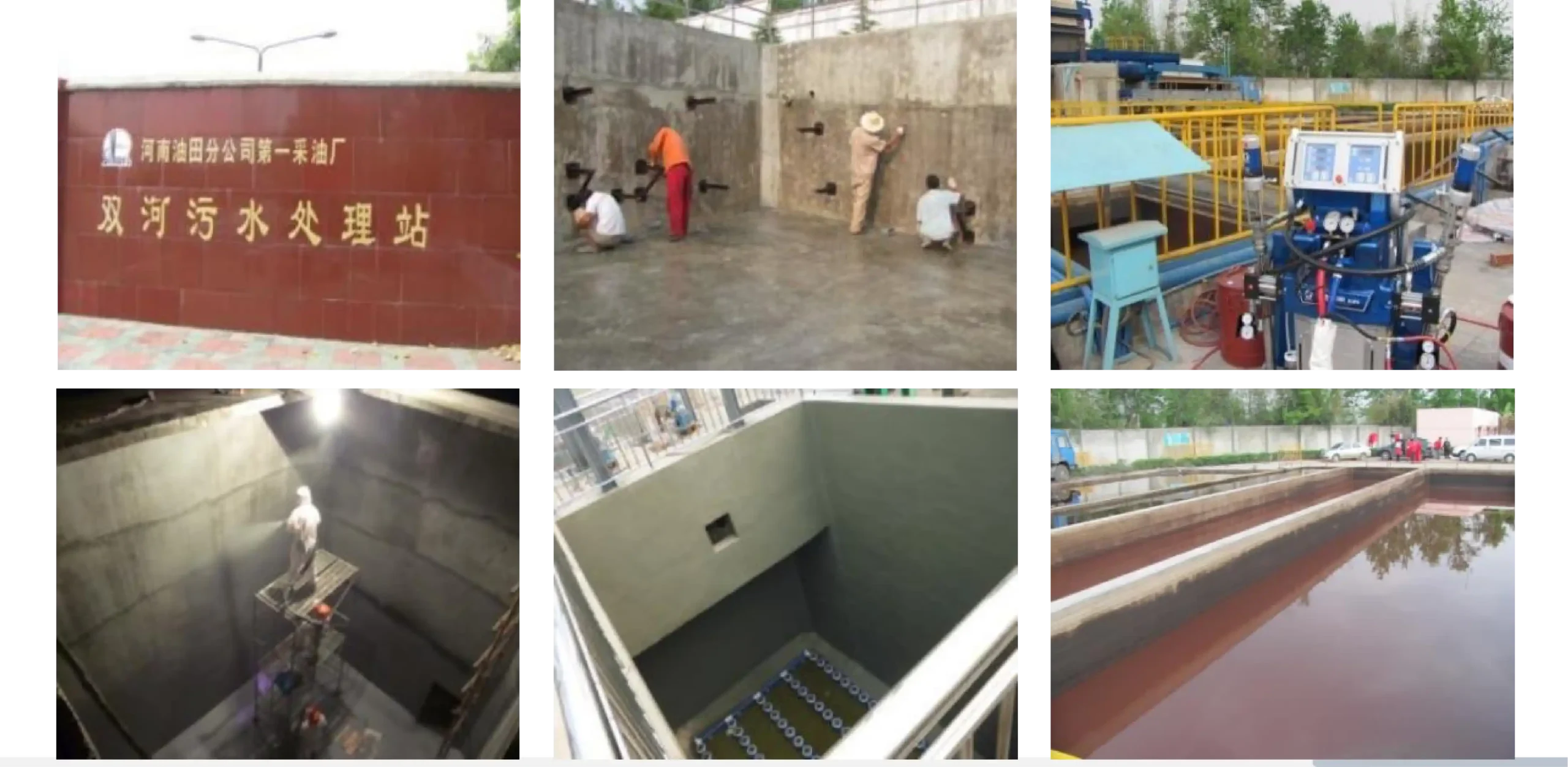
Spray Polyurea Elastomer (SPUA) technology is a new type of environment-friendly construction technology developed in the United States in the 1980s. It is widely used in waterproofing, anti-corrosion, wear-resistance and other fields.
This technology organically integrates new materials, new equipment and new processes, breaking through the limitations of traditional environment-friendly coating technologies.
China began to introduce and independently develop this technology in the mid-1990s, and it has now been applied in a number of large-scale engineering projects.
Fast curing: gels in 10 seconds and reaches walk-on strength in 10 minutes. It can be spray-formed on any curved, inclined or vertical surface.
High solid content with zero VOCs, making it environmentally friendly.
Achieves the required thickness in a single application, eliminating the drawbacks of multiple-coat construction.
Excellent physical properties, including high tensile strength, high elongation, chemical resistance, wear resistance and impact resistance.
The coating is dense and seamless, providing skin-like protection with exceptional results.
High construction efficiency: the daily construction area can exceed 500 square meters.
Limitations
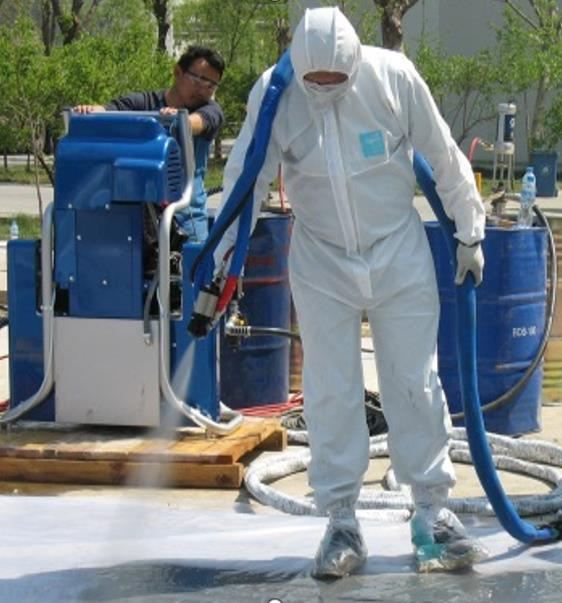
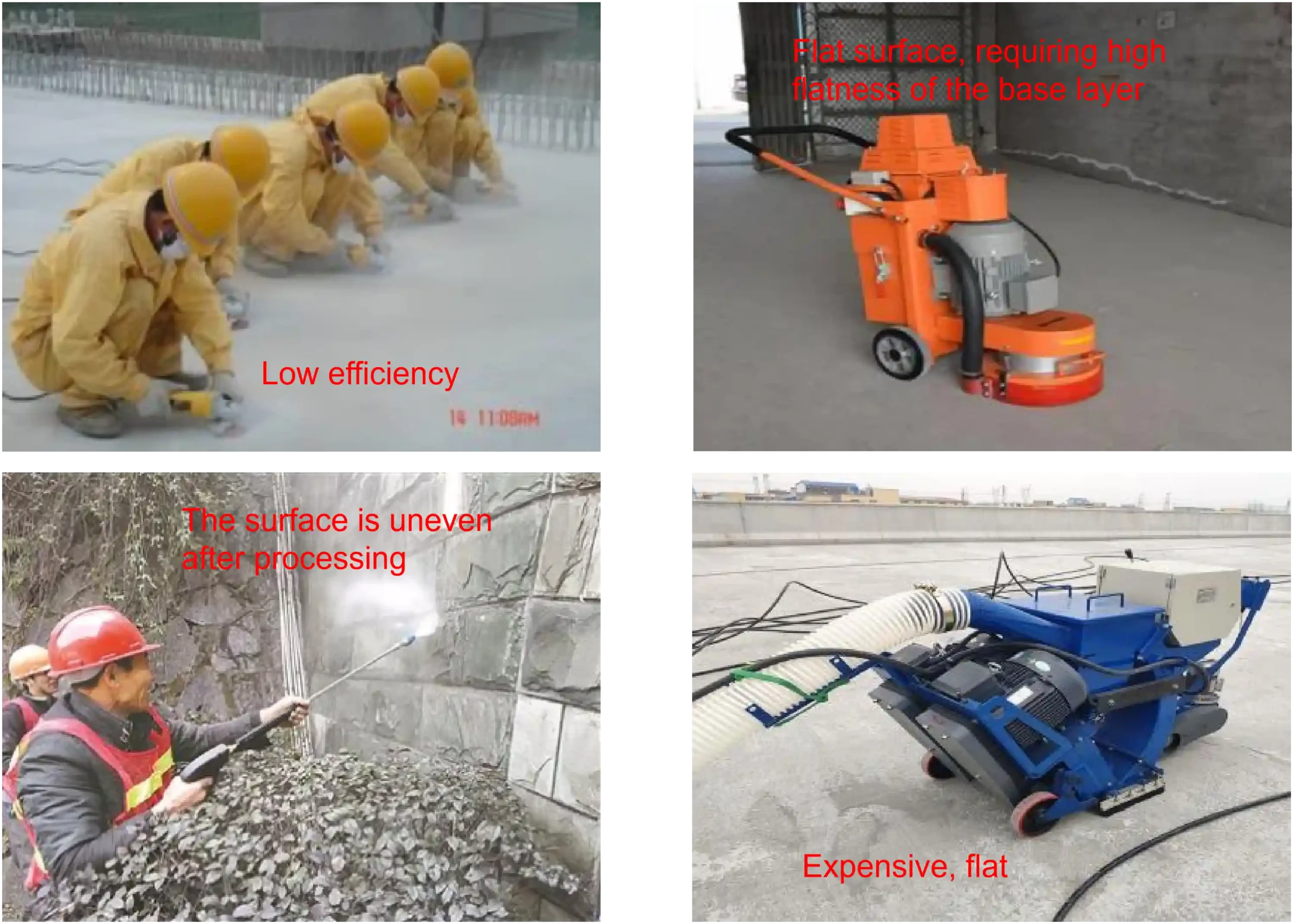
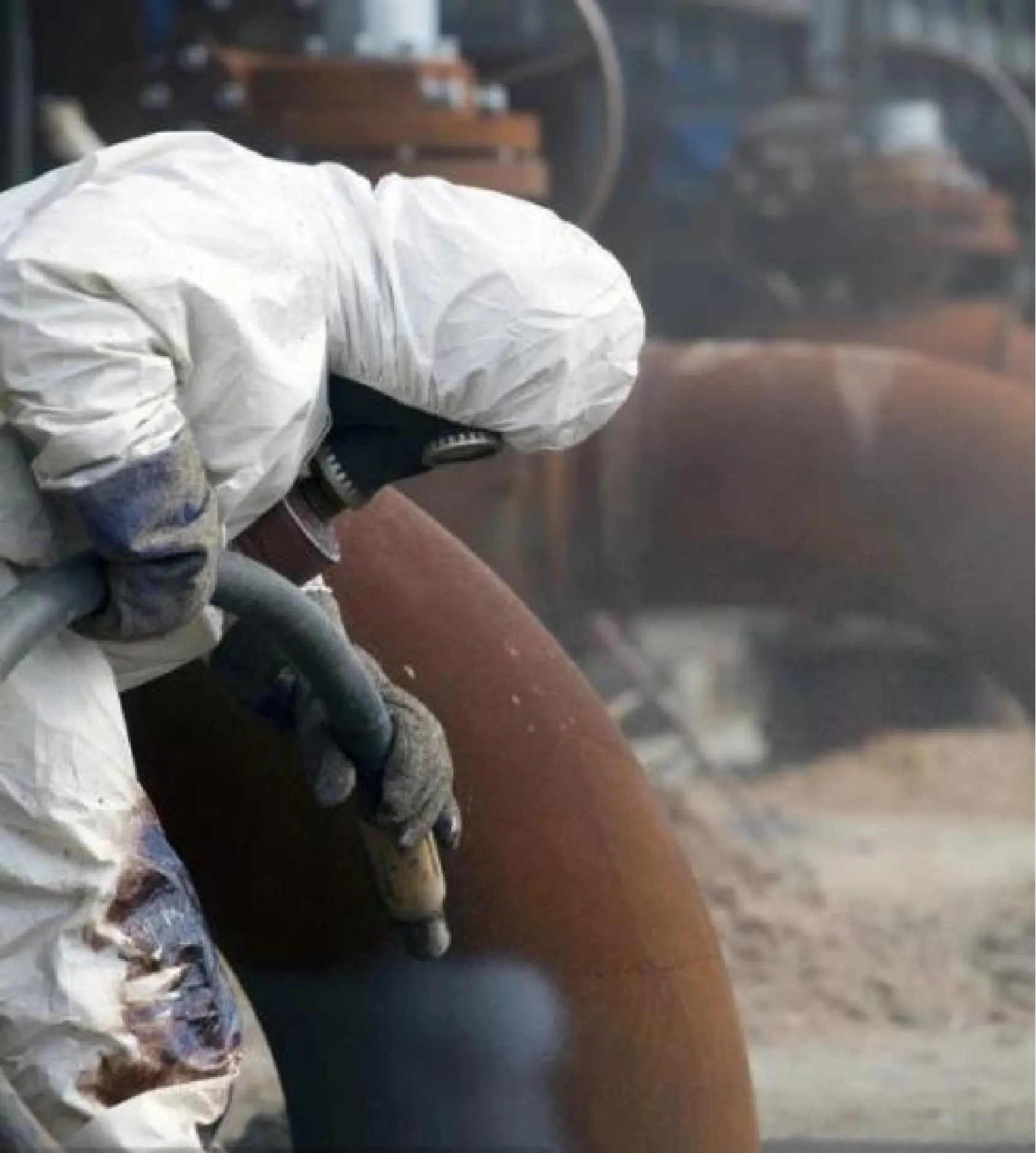
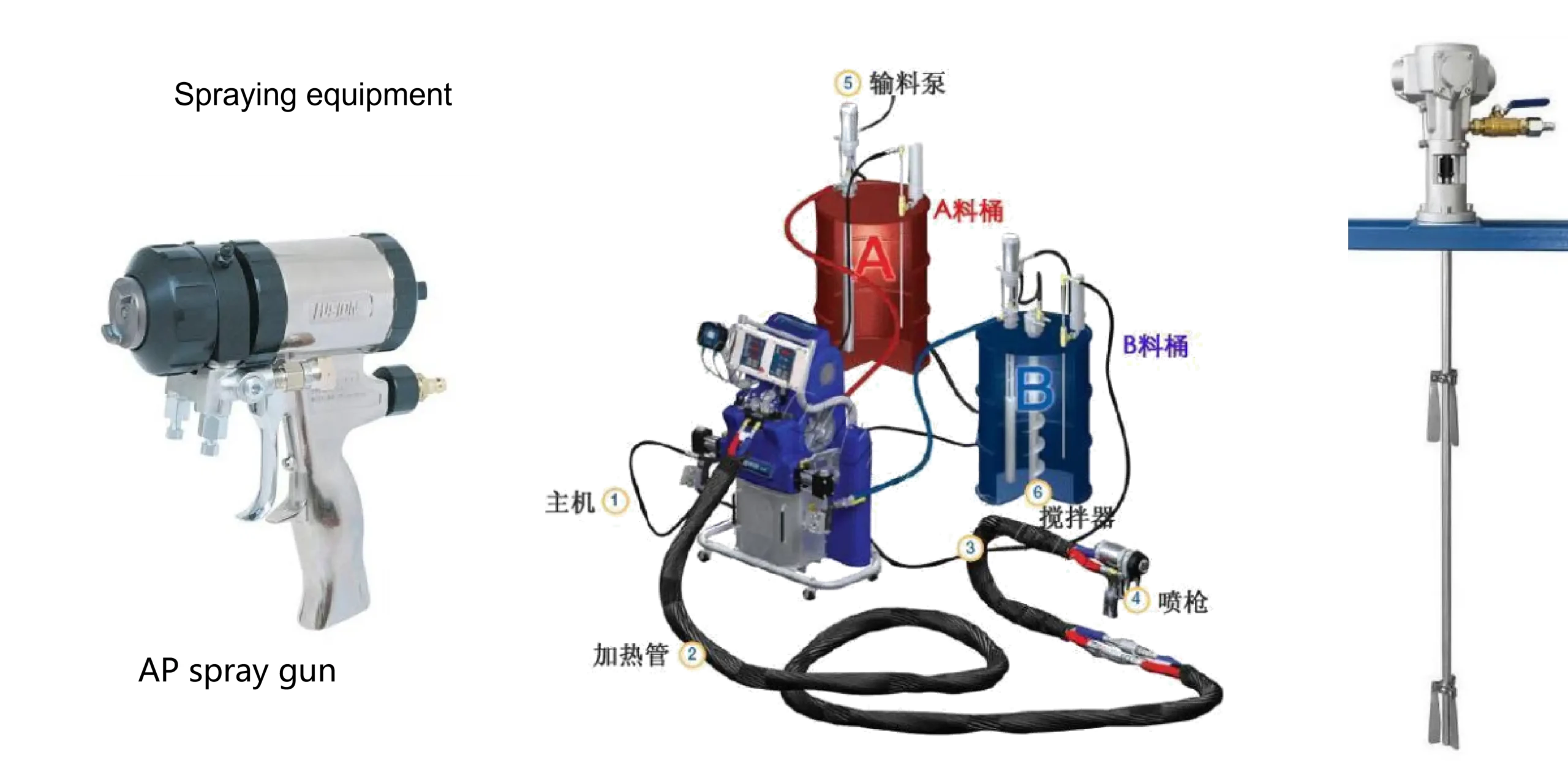
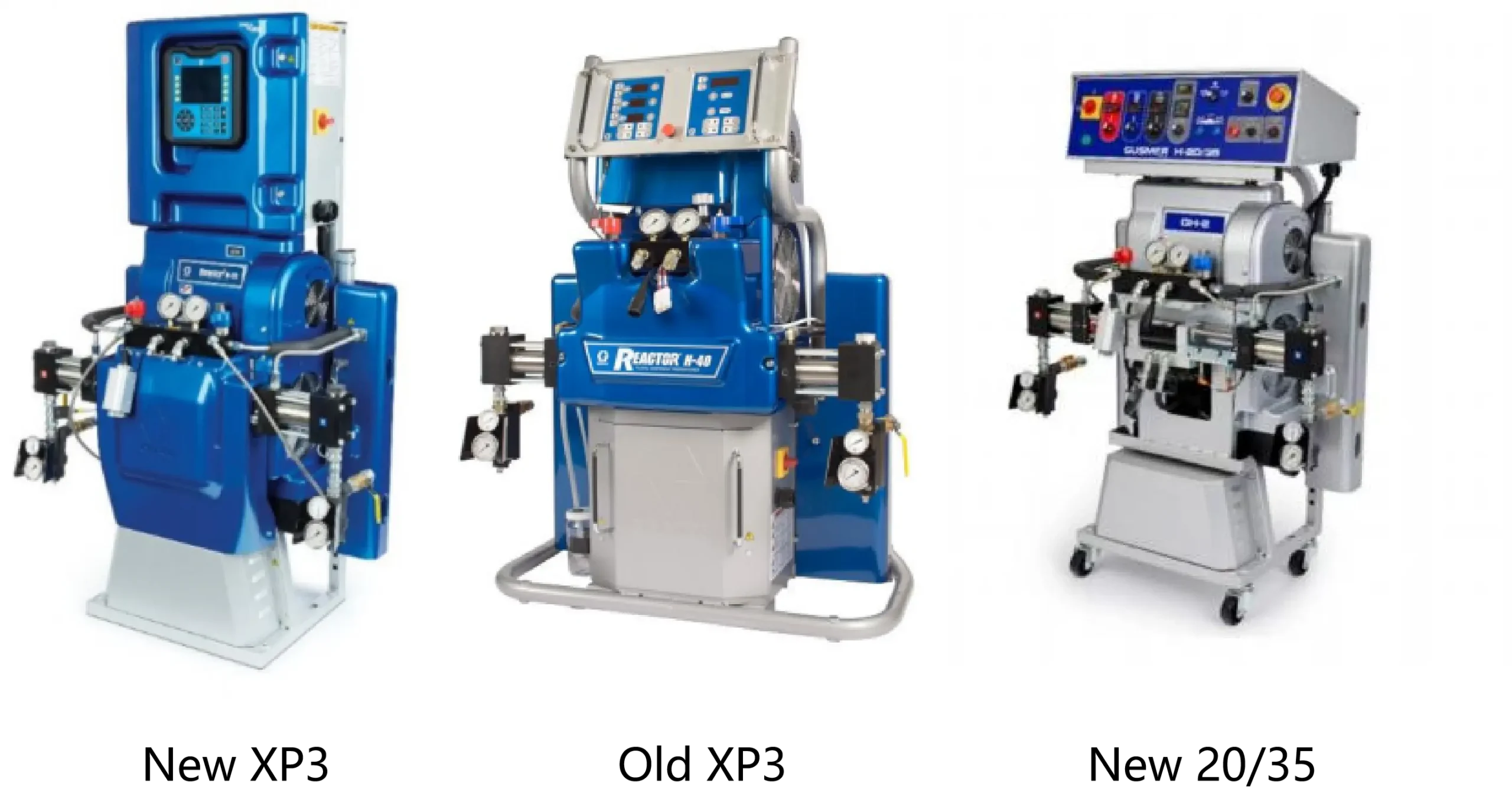
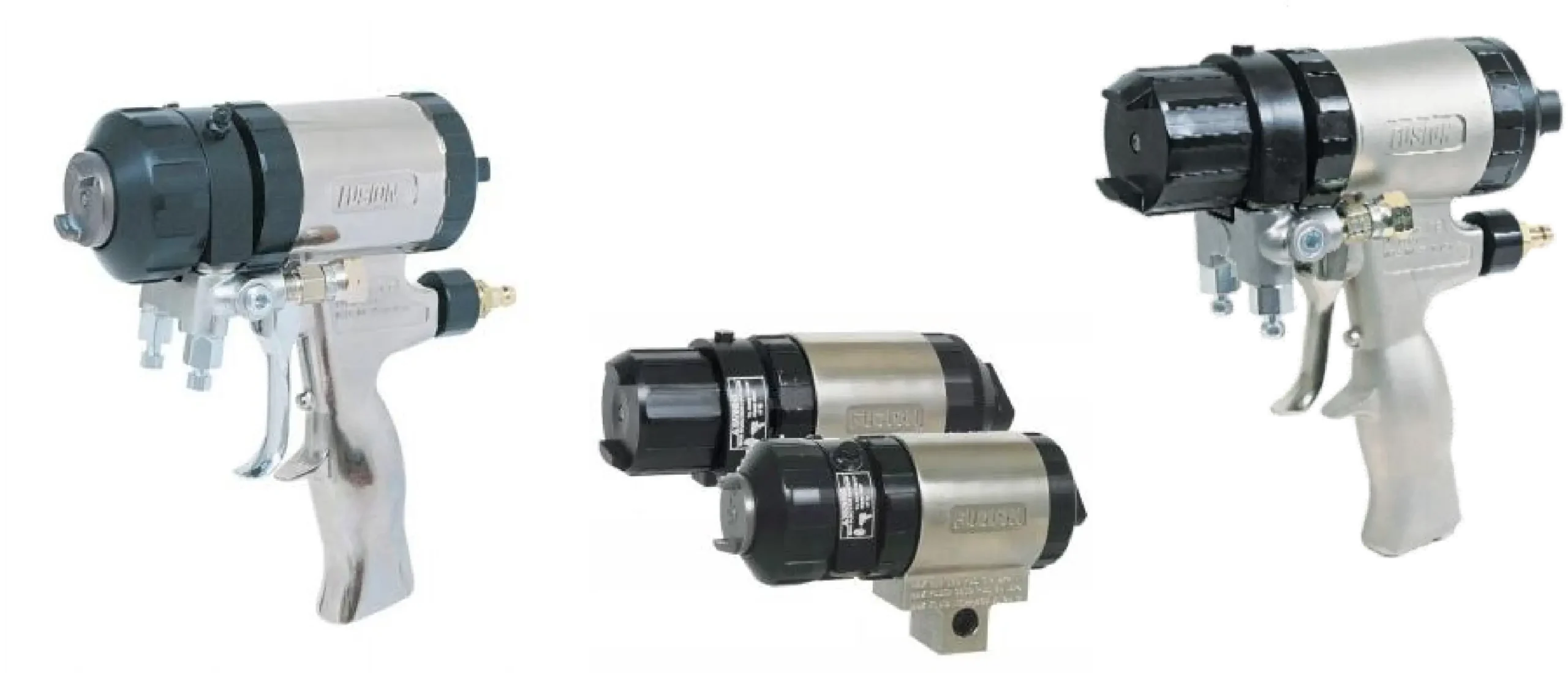
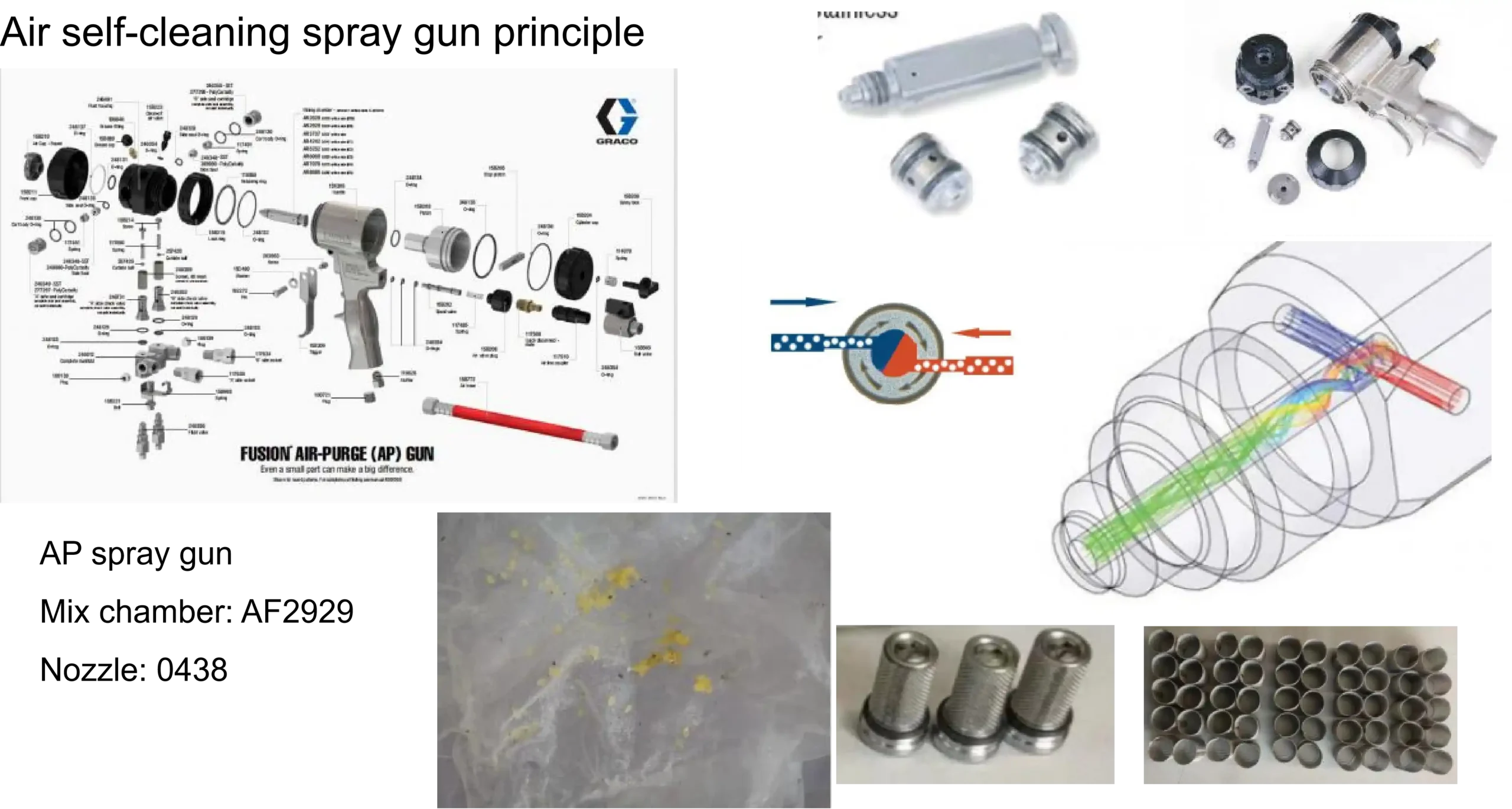
Requires specialized spraying equipment.
Demands rigorous substrate preparation.
Needs professional construction personnel.
Involves high material and construction costs.
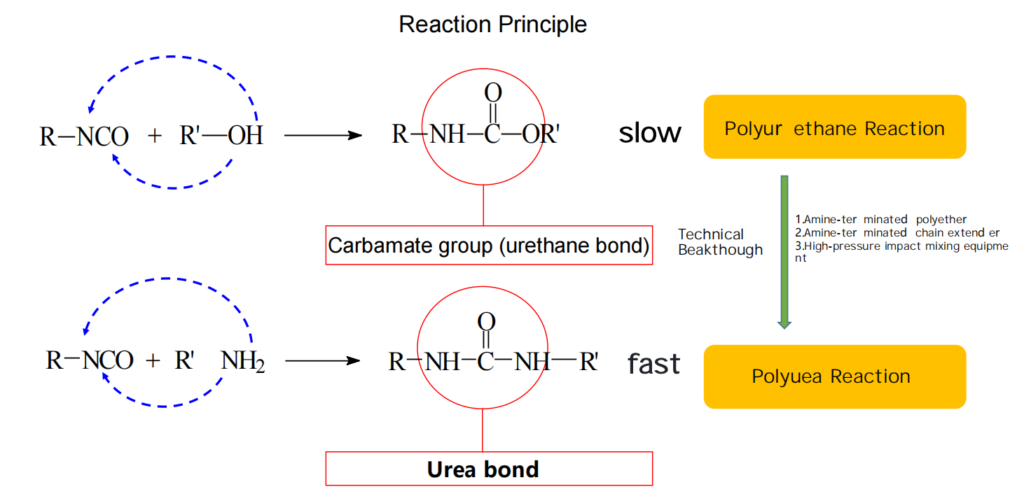
Differences Between Polyurea and Polyurethane
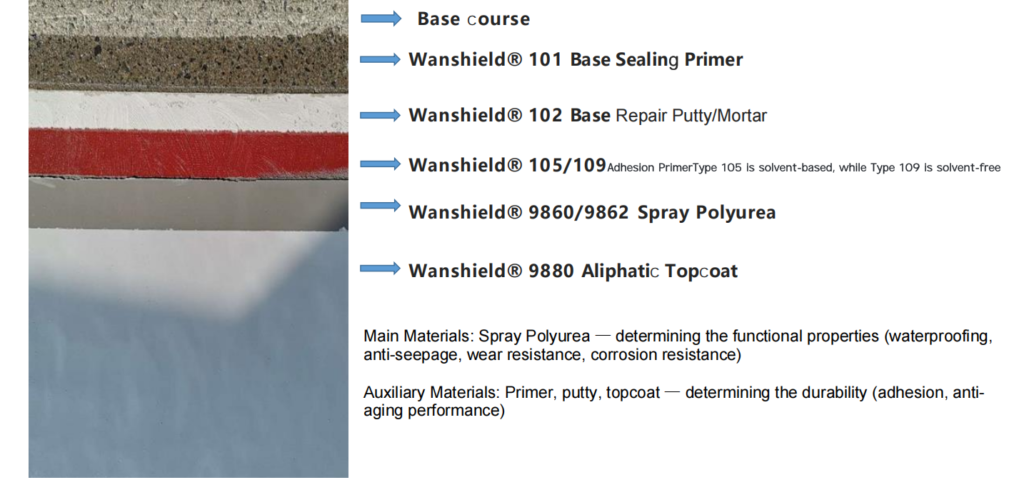
1.2 Main and Auxiliary Materials of Polyurea – A Systematic Understanding of Polyurea
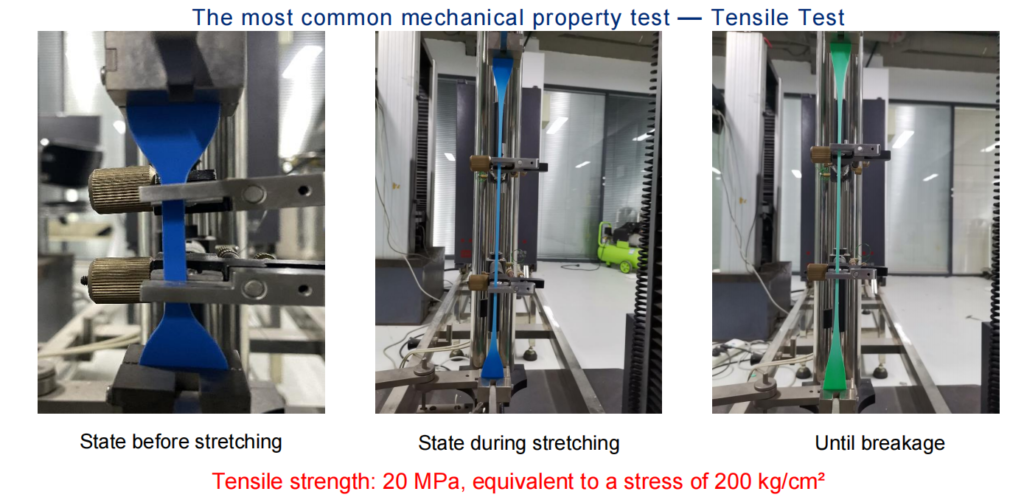
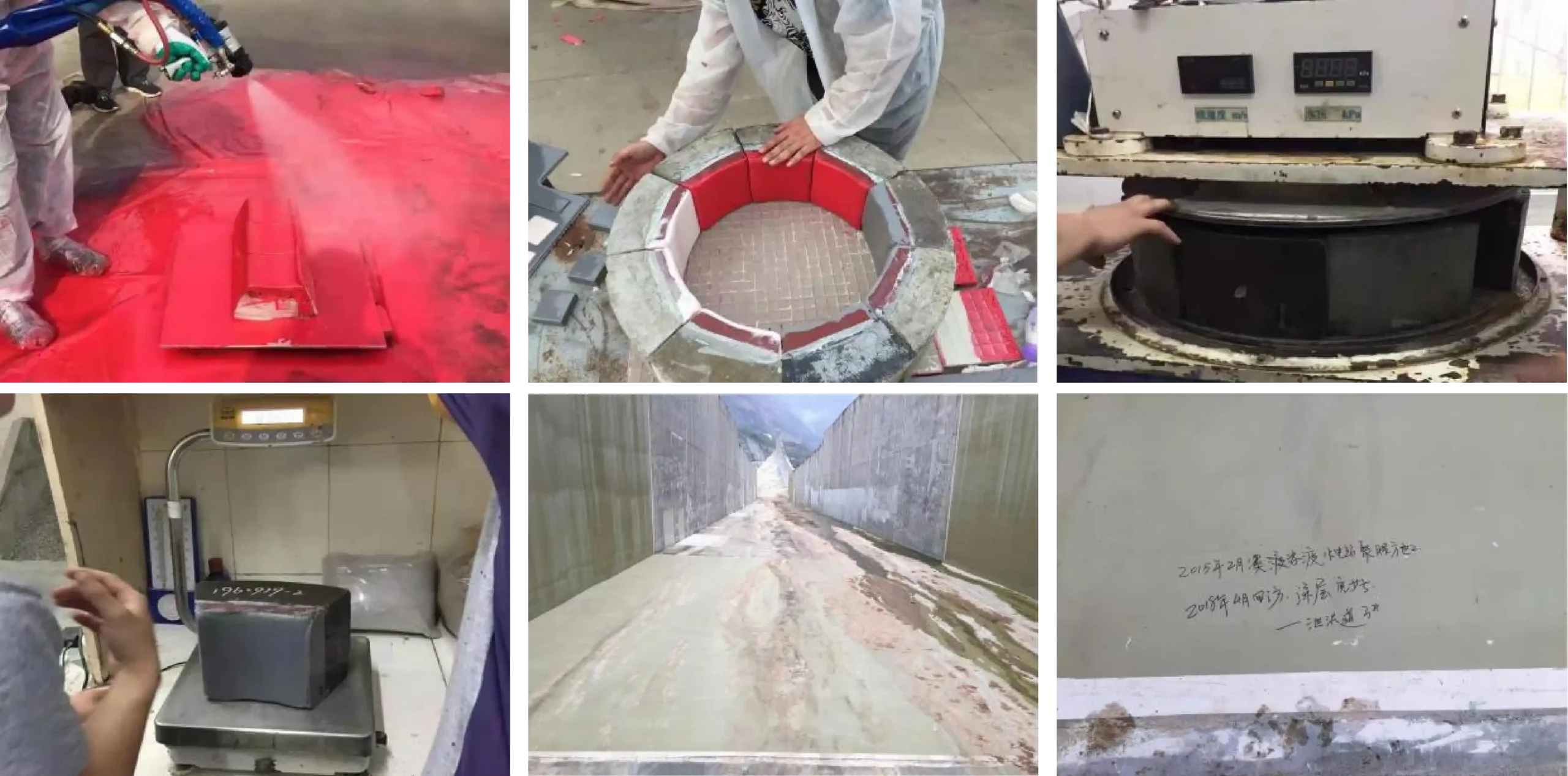
1.3 Polyurea Tensile Test – Understanding Polyurea Through Testing
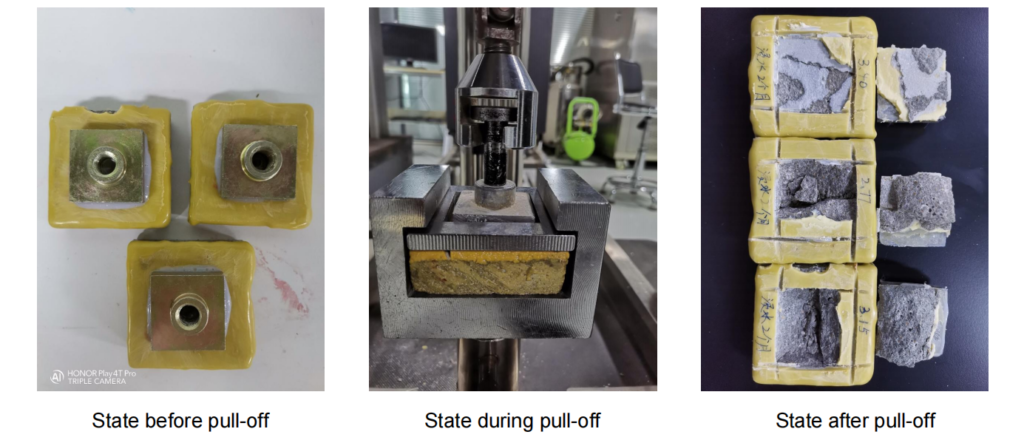
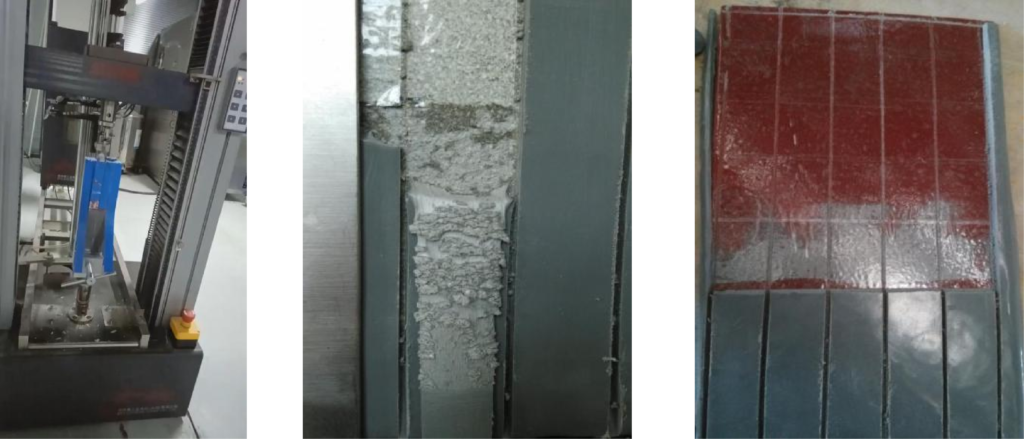
The Most Common Adhesion Test – Pull-off Test
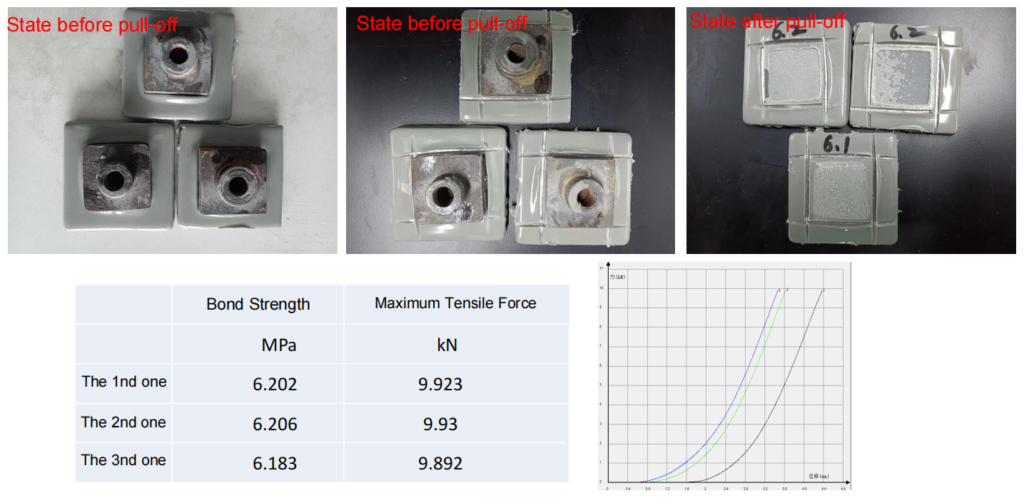
Pull-off Test on Steel Substrates – until the coating fails.
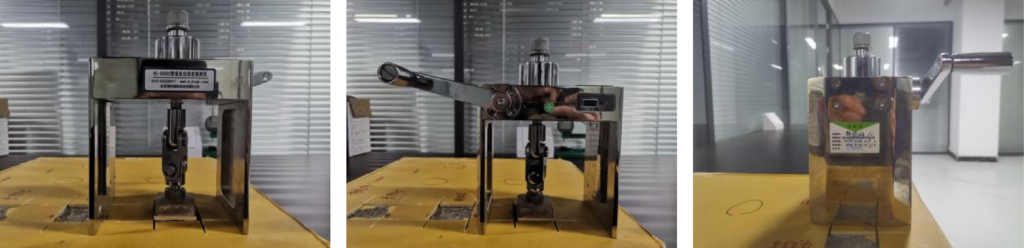
Adhesion Testing Equipment for Construction Sites
Note: Data measured by the pull-off method (vertical pull-off test) can be misleading. Even with poor adhesion, qualified values can still be obtained, for example, if the cutting around the pull-off dolly is incomplete.
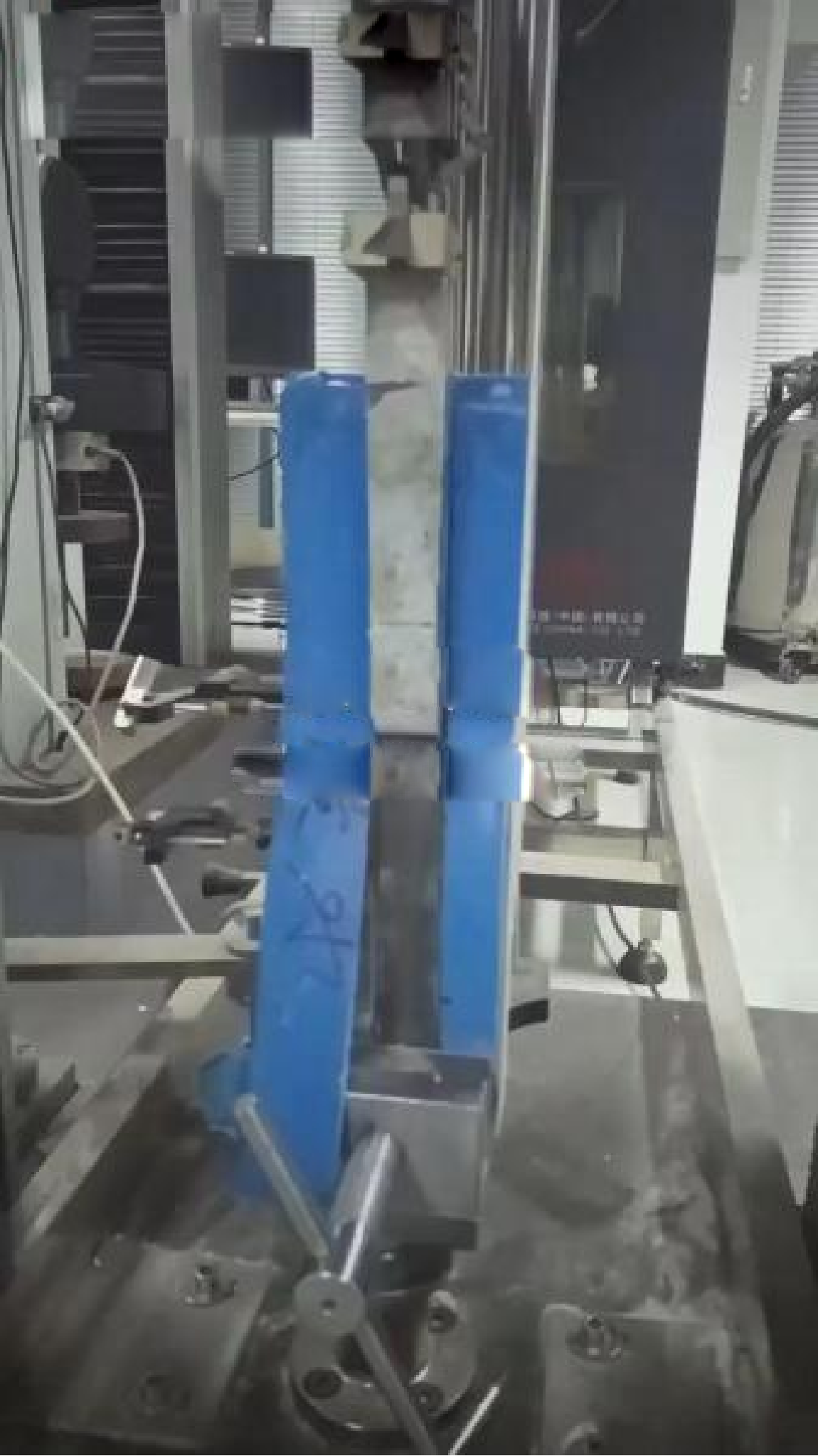
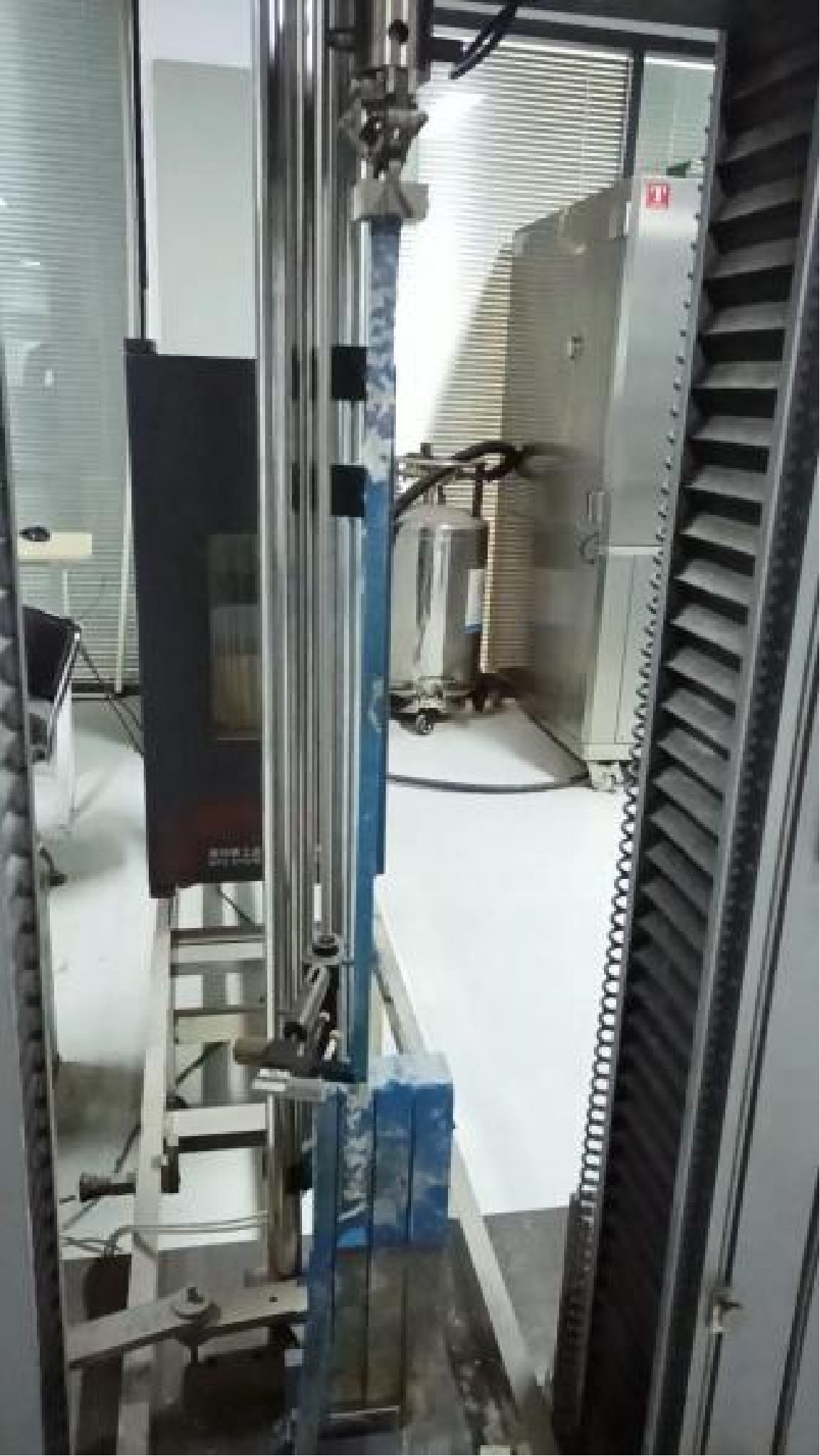
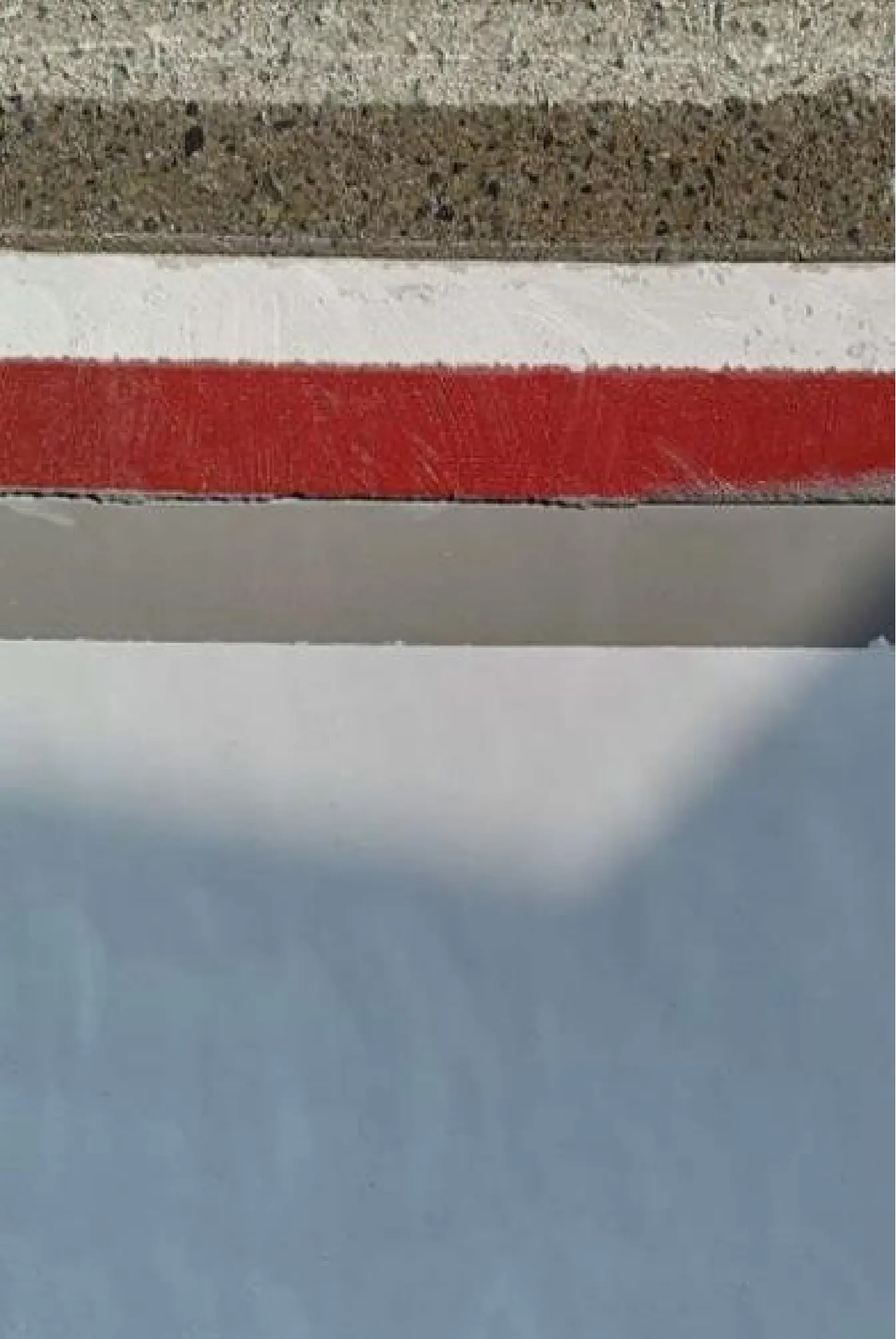
The Most Reliable Adhesion Test – Peeling Test for Flexible Materials
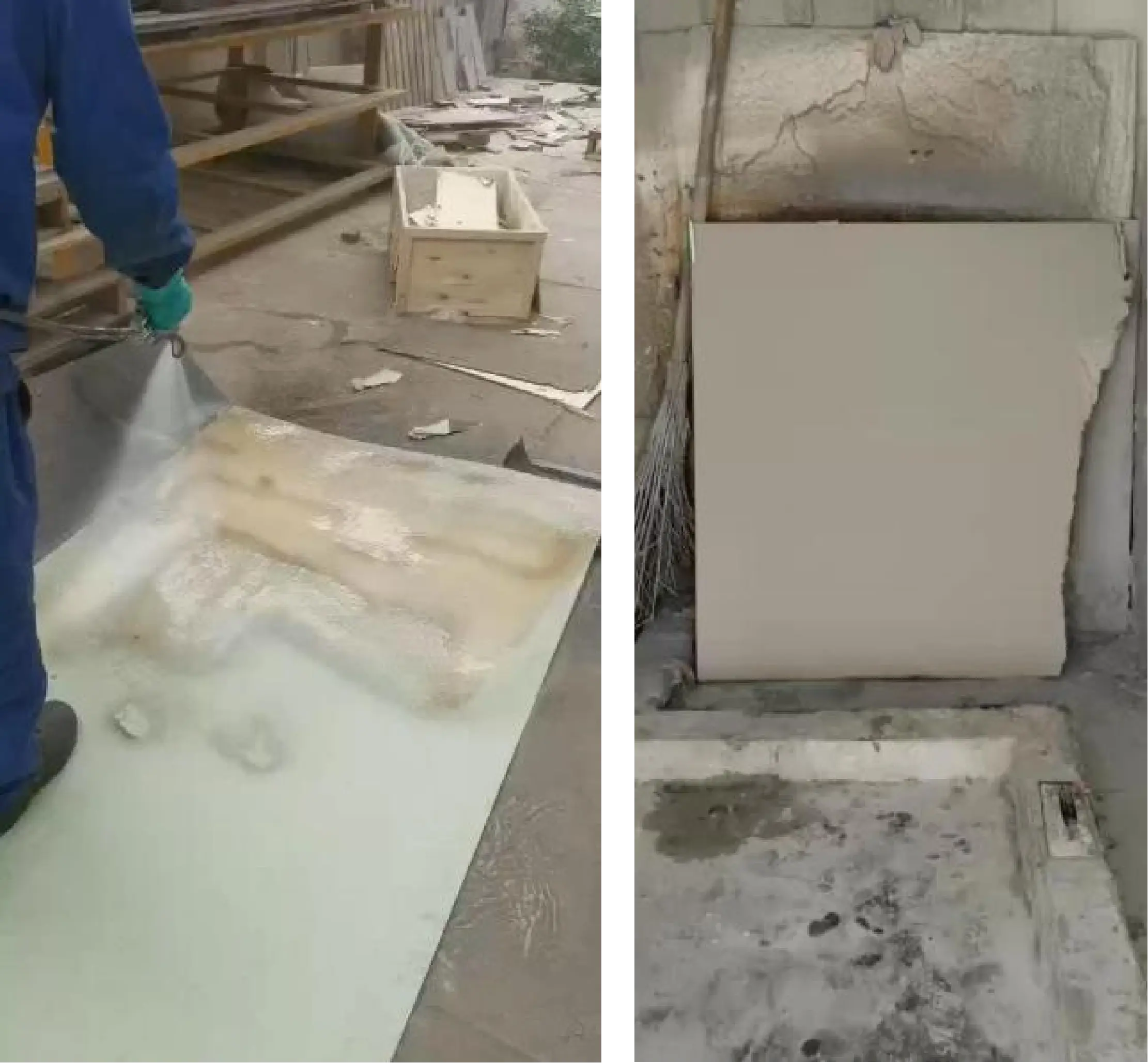
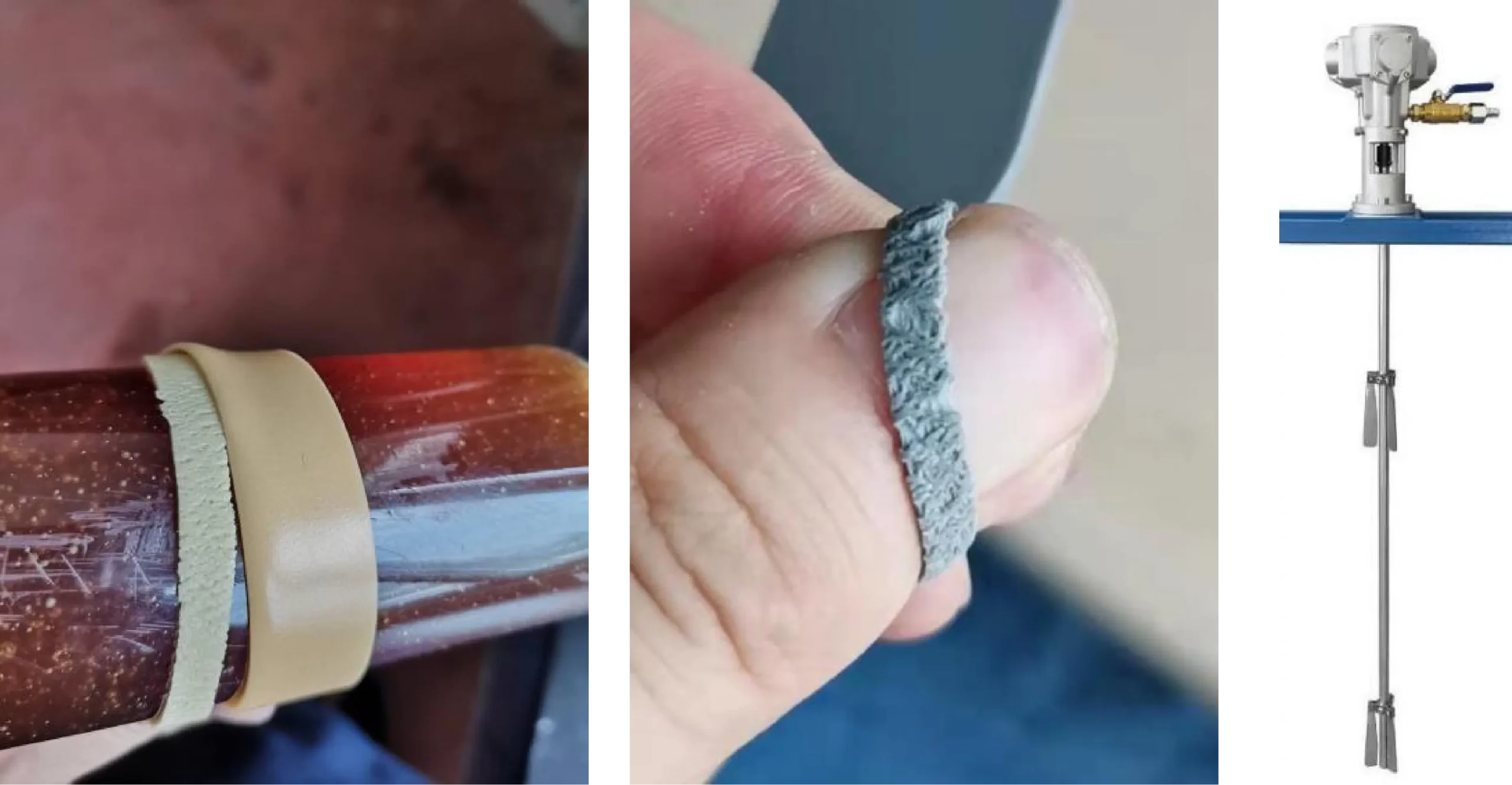
A pair of pliers can be used on-site to simulate the peeling test by tearing
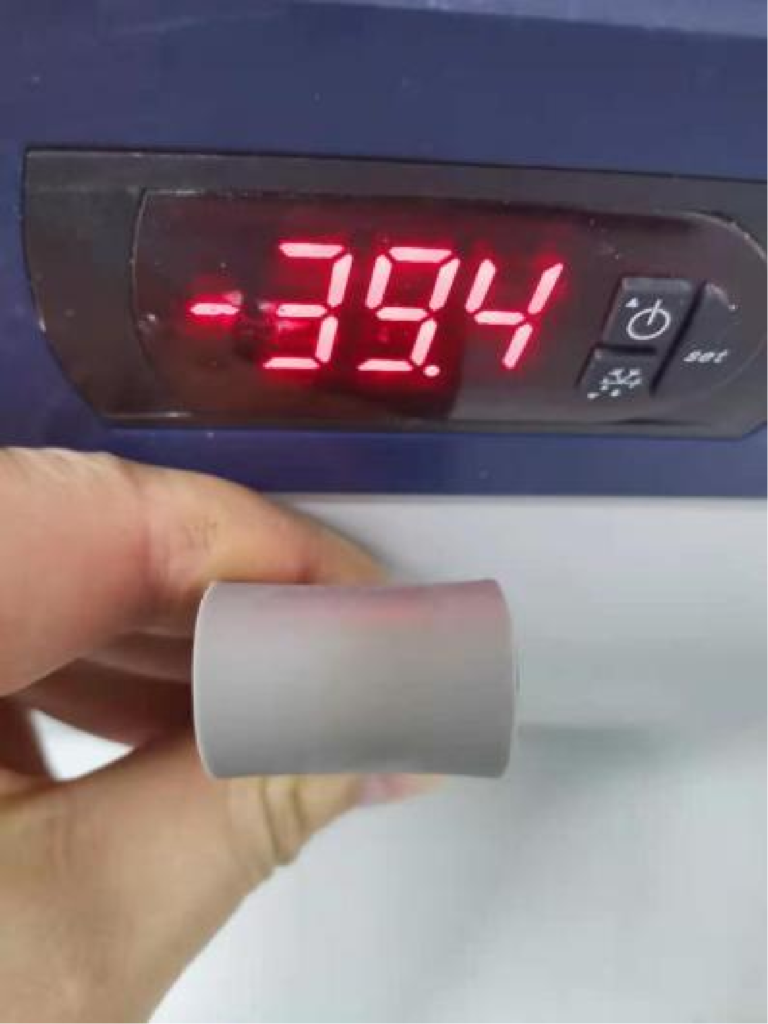
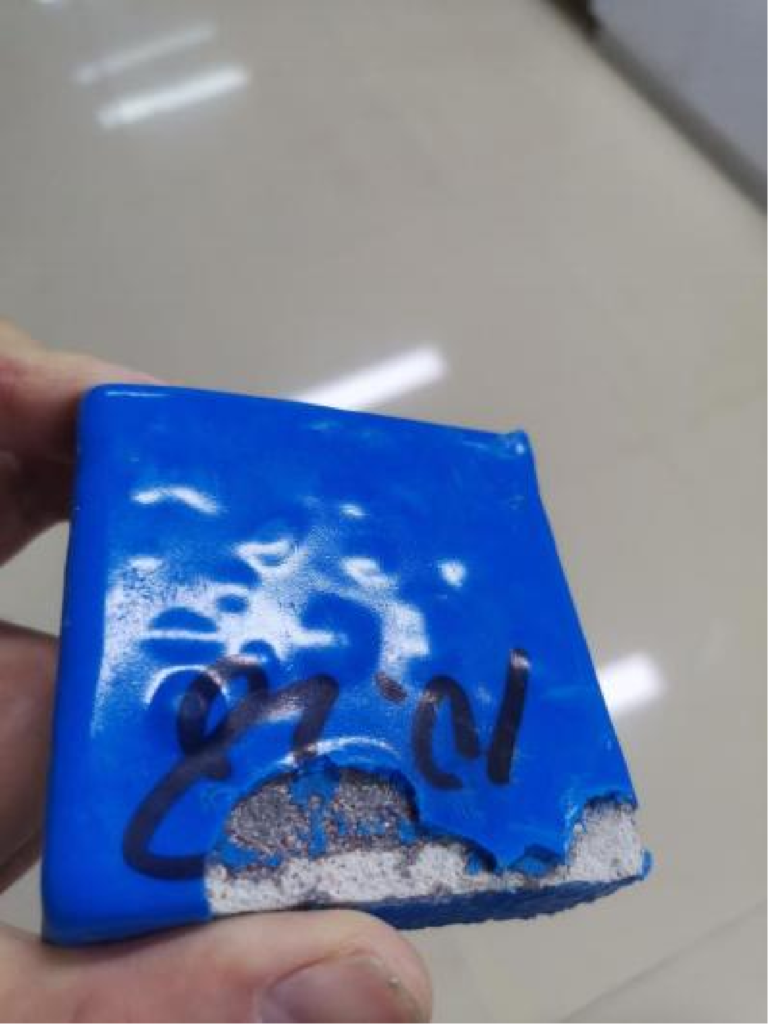
Temperature Resistance – Low-Temperature Flexibility and High-Temperature Water Immersion
Low-temperature flexibility at -40℃
High-temperature water immersion at 70℃: Blistering
Upper limit temperature for liquid media: 60℃
Chemical Resistance / Corrosion Resistance
Chemical Medium Resistance (23℃ / 1 year)
Medium names
Soaking results
Medium Names
Soaking results
10% acetic acid
Very good
Seawater
Very good
10% hydrochloric acid
Very good
Xylene
Not recommended
30% sulfuric acid
Very good
Crude Oil
Very good
10% phosphoric acid
Good color change
Gasoline
Not recommended
20% ammonia water
Very good
Diesel
Very good
20% potassium hydroxide
Good color change
Engine Oil
Very good
50% sodium hydroxide
Very good
Hydraulic Oil
Very good
Saturated brine
Very good
Ammonium Nitrate
Very good
Chemical Resistance Verification – Corrosion Resistance (1 Year)
Serial Number
Tensile strength (MPa)
Elongation at break (%)
10% Sulfuric Acid
29.1
466.5
20% Sulfuric Acid
29
459.7
30% Sulfuric Acid
27.7
448.6
50% Sodium Hydroxide
29.9
463.6
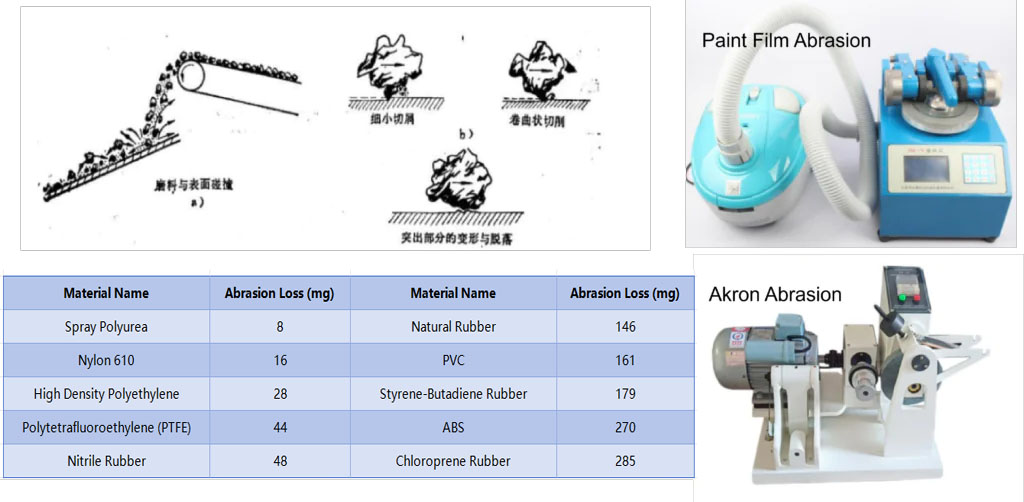
Wear Resistance
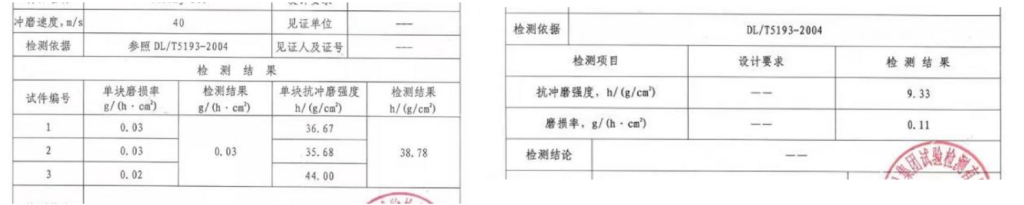
Erosion Resistance Data
Erosion Resistance of Two-component Spray Polyurea
Erosion Resistance of One-component Polyurea
Material Types
Weight loss g
Wear rate (g/cm²·h)
Wear volume (cm³)
Surface Condition
Abrasion-resistant polyurea elastomer
2.5
0.027
2.45
The coating surface remained largely unchanged, with no visible grooves.
Secondary aggregate concrete with limestone f28 = 66.5 MPa
414
0.44
159.2
The inner wall of the specimen showed numerous grooves and other defects after grinding.
Secondary aggregate concrete with granite f28 = 65.6 MPa
98
0.104
37.7
The inner wall of the specimen showed numerous grooves and other defects after grinding.
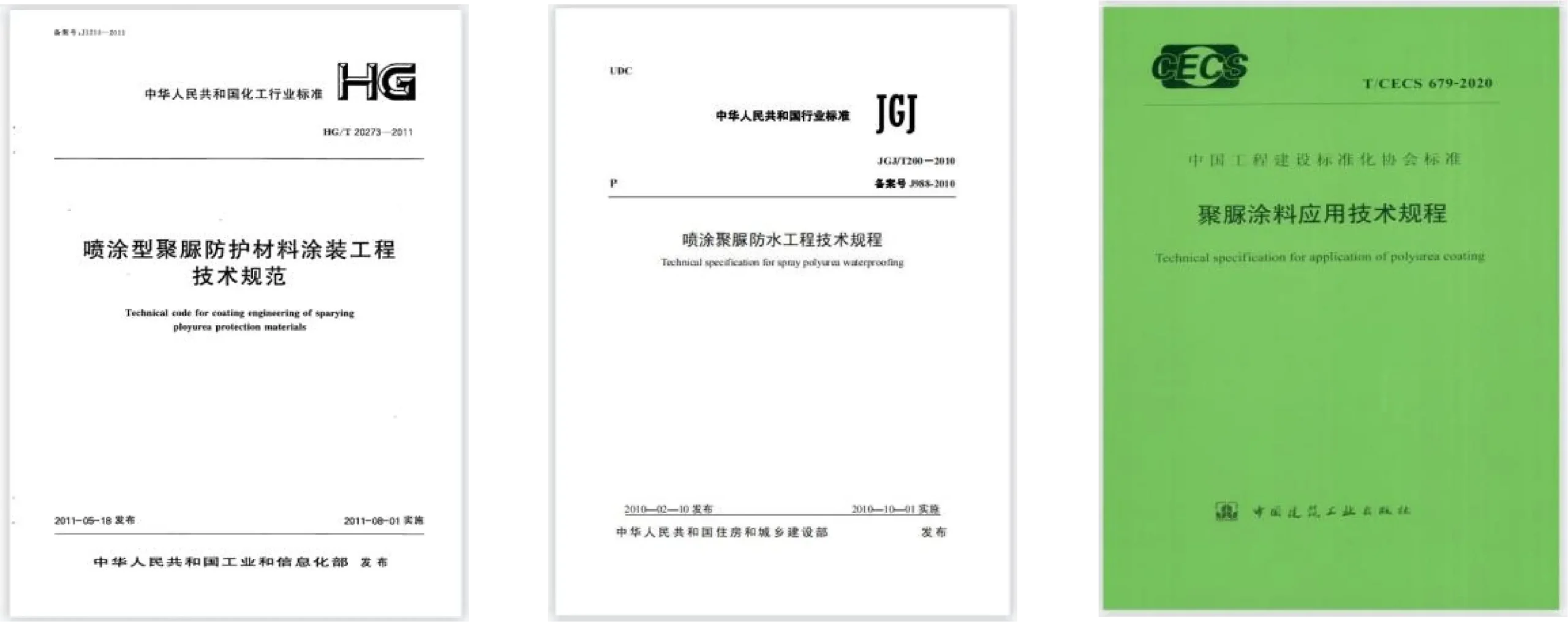
1.4 Common Standards for Spray Polyurea Materials
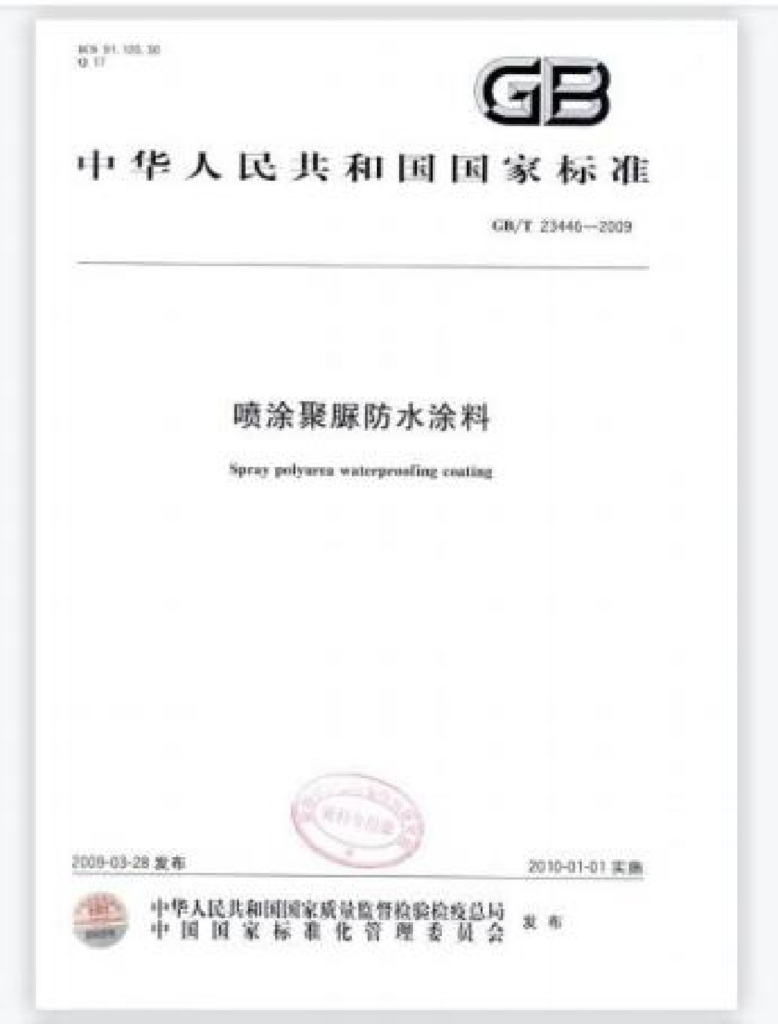
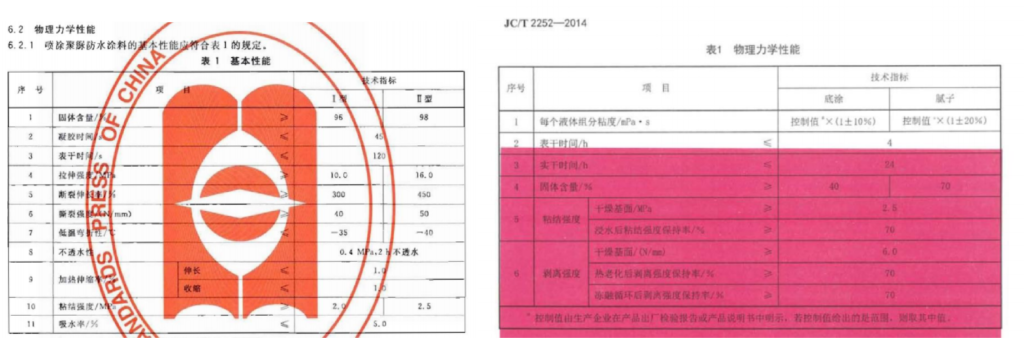
GB/T 23446-2009
Spray Polyurea Waterproof Coating
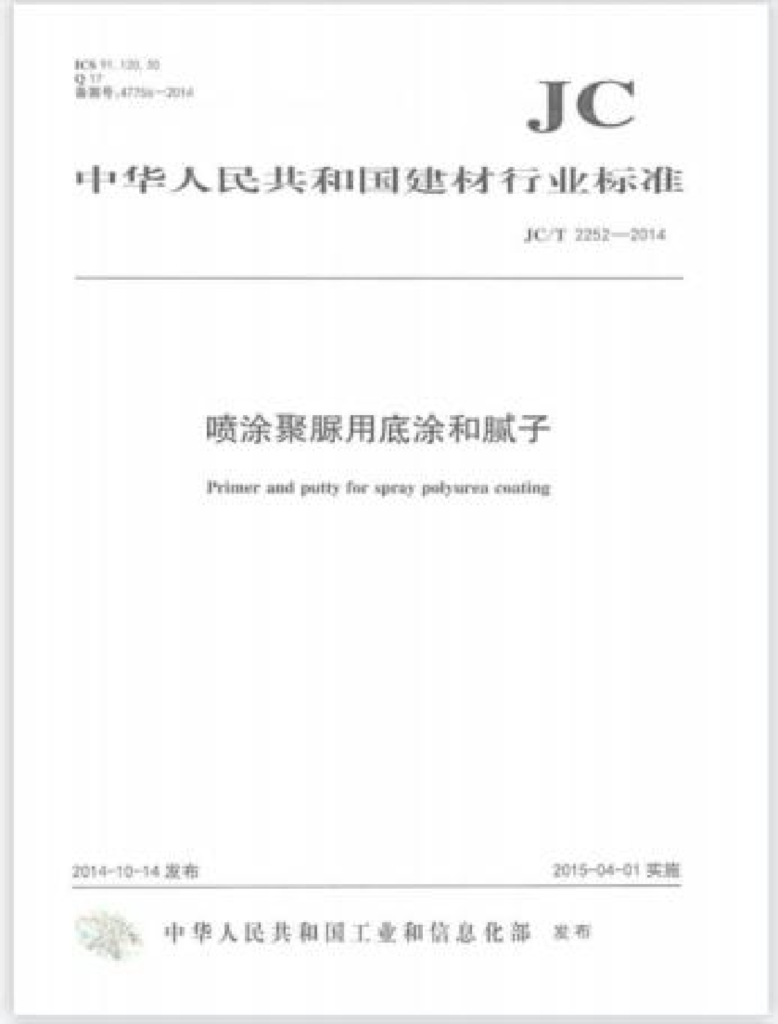
JC/T 2252-2014
Primers and Putties for Spray Polyurea
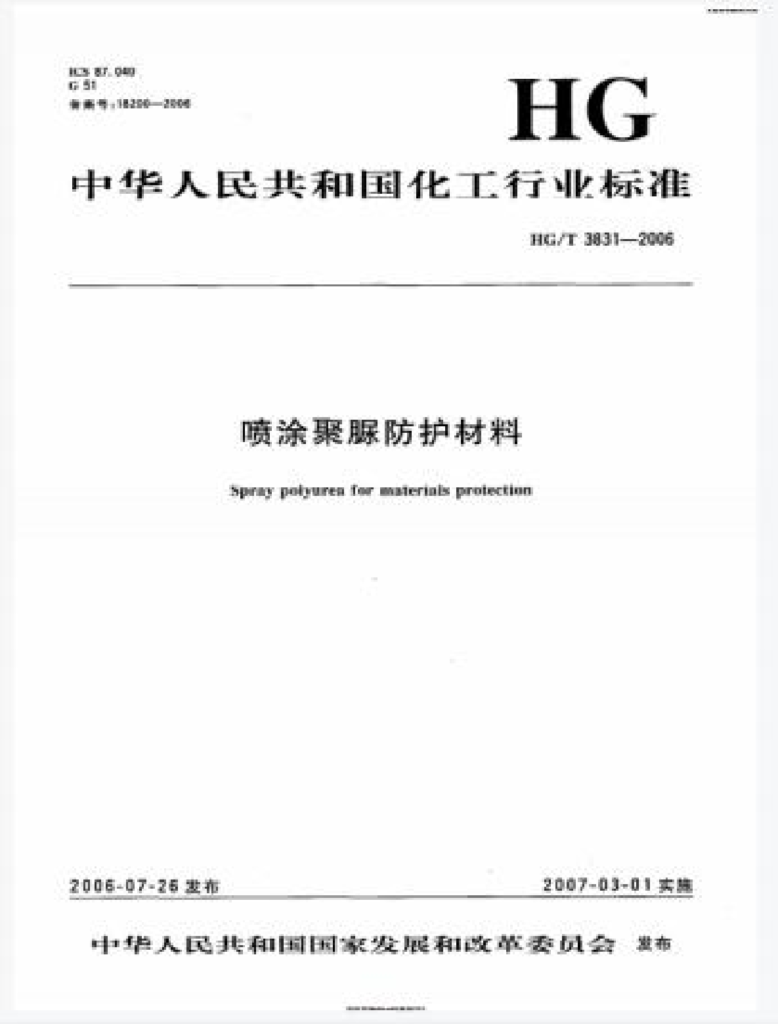
HG/T 3831-2006
Spray Polyurea Protective Materials
GB/T 23446-2009
The Most Important Standard for Material Properties
JC/T 2252-2014
Indicators Affecting Durability – Low Values
Personal Opinion:
Peel strength ≥ 12 N/mm
Adhesion retention rate ≥ 90% (minimum 3 months)
1.5 Industry Pain Points
Loss of Adhesion
Routine
Immersion Damage
Freeze-Thaw Damage
Plasticization effect of water and damage to adhesive hydrogen bonds (chemical bonds)
1.6 Reliability of Wanhua Polyurea
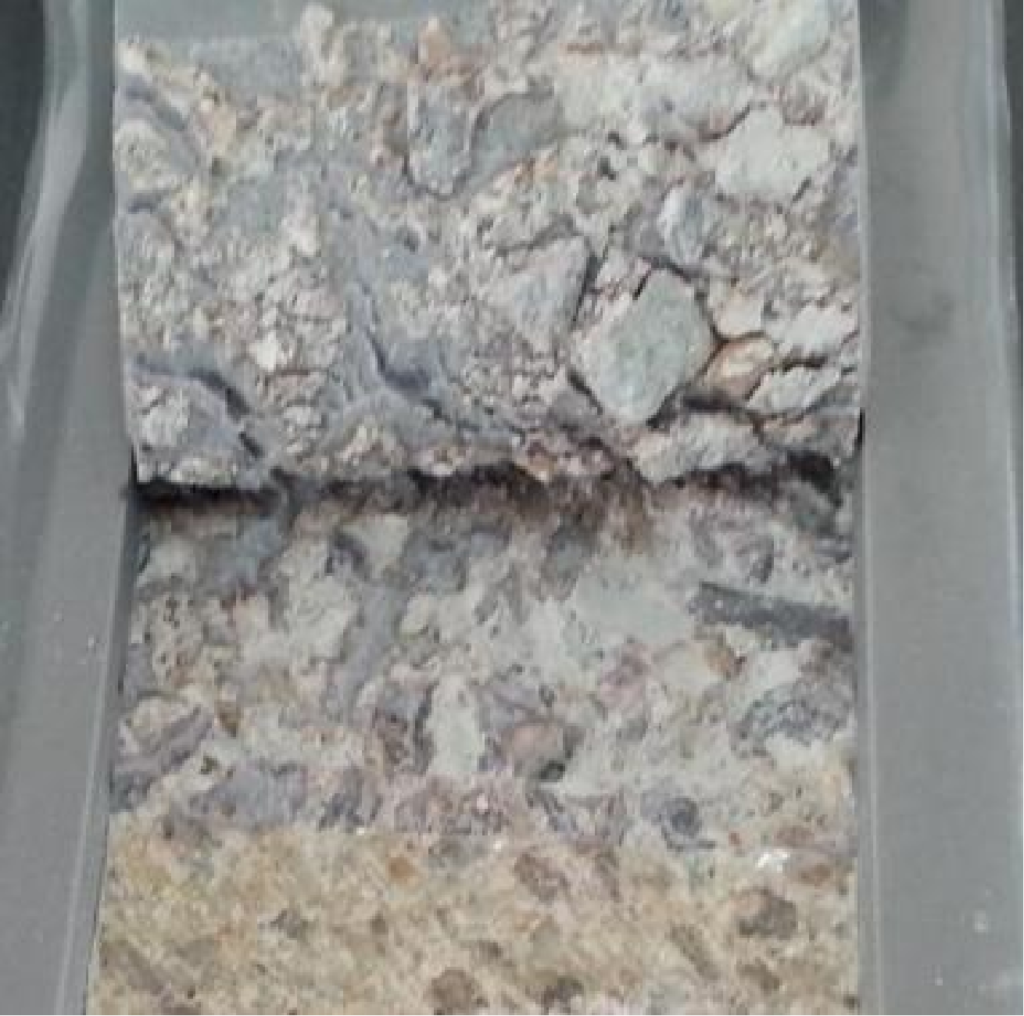
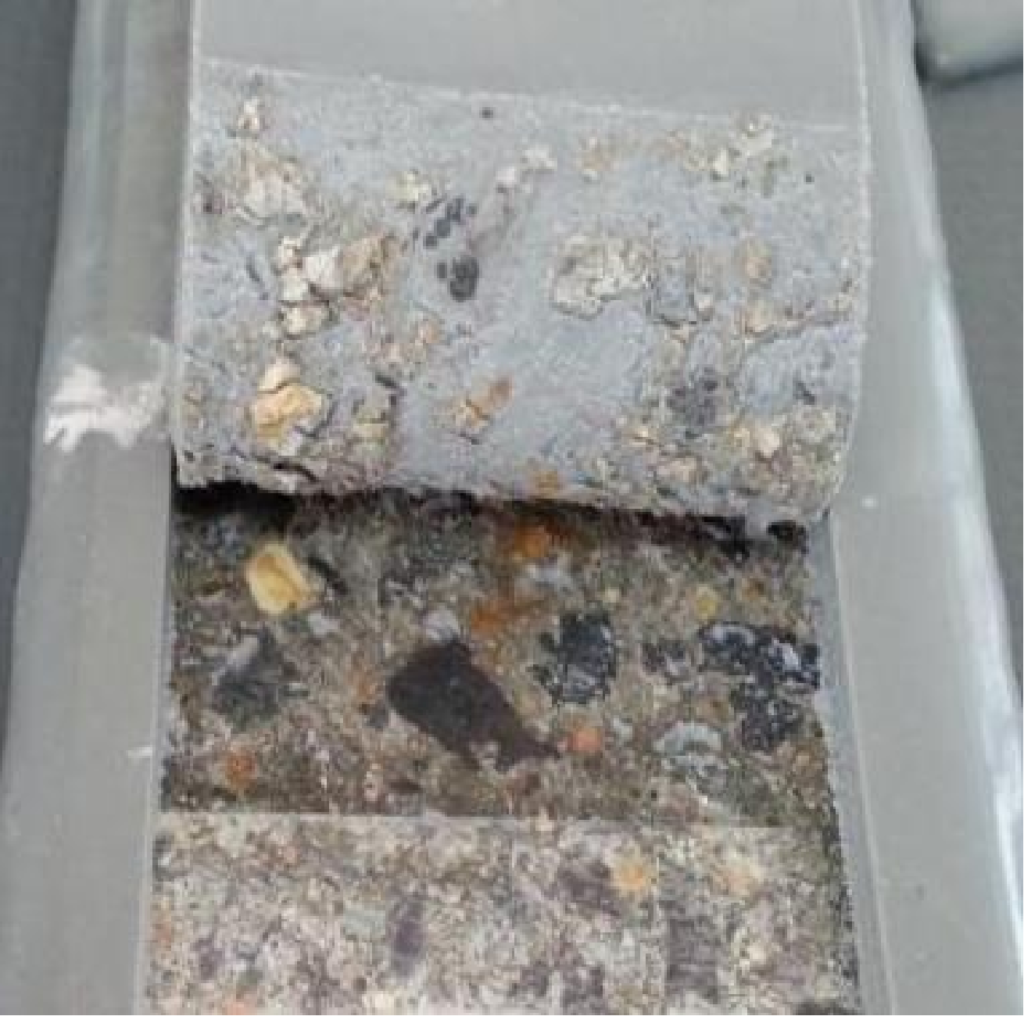
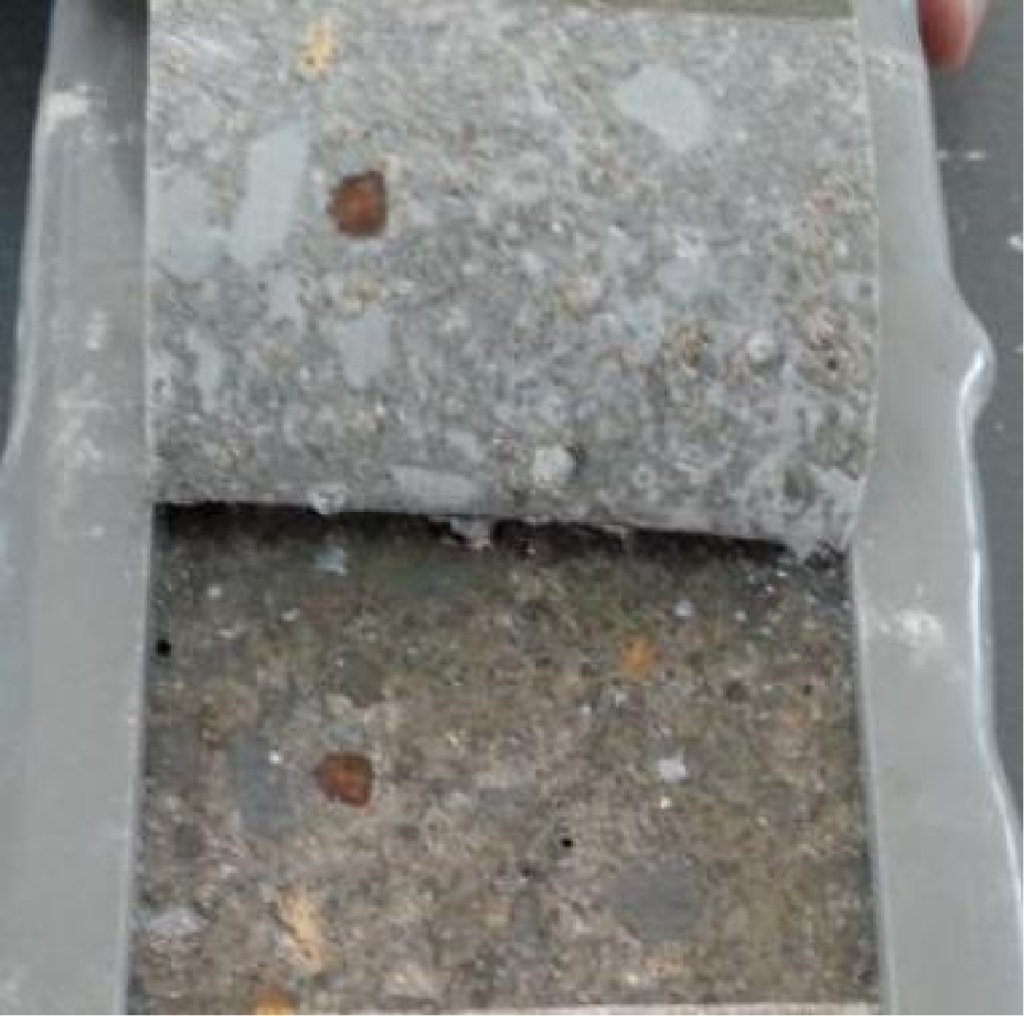
Persistence of Adhesion Under Long-term Immersion
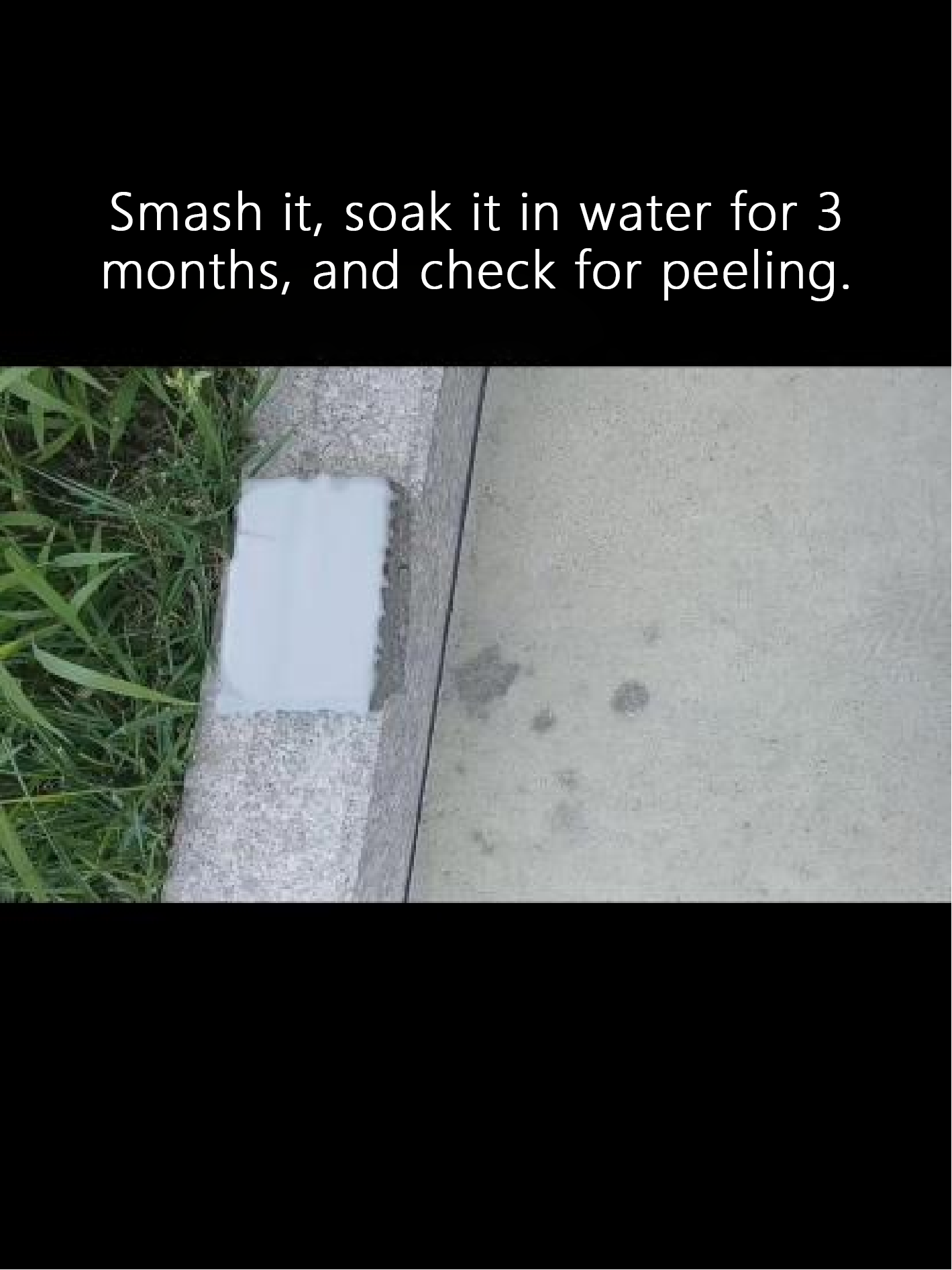
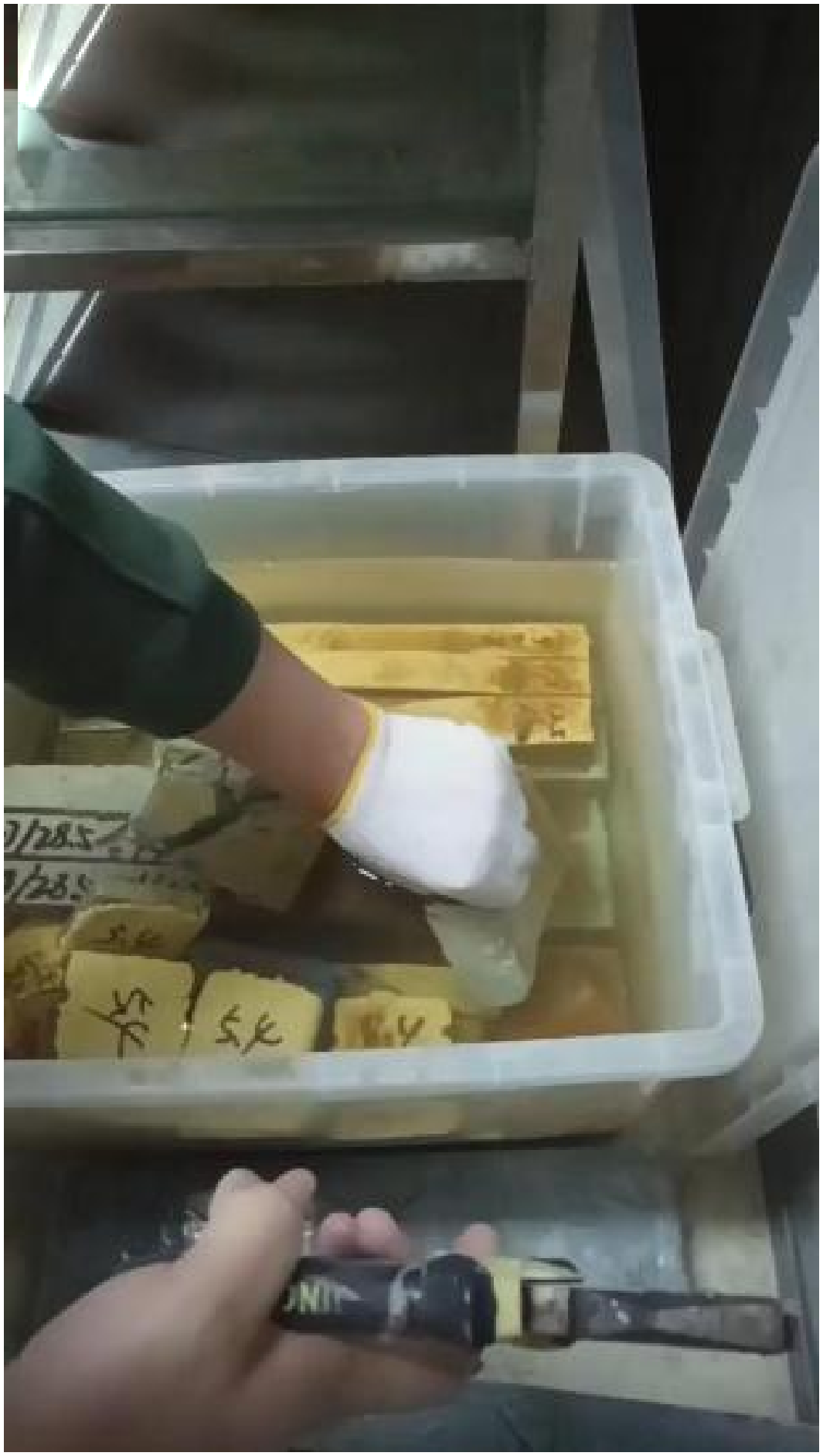
180° Peel Test After 3 Months of Immersion
1 Year of Immersion
Destructive Test – Persistence of Adhesion
Two-component Spray Polyurea Material System
02 Application
Wanhua Polyurea Application Distribution
Concrete Protection: 70%
Steel Structure Anticorrosion: 10%
Roof Waterproofing: 10%
Wear-resistant Lining: 5%
Others: 5%
Signature Projects – Gaining Worldwide Attention
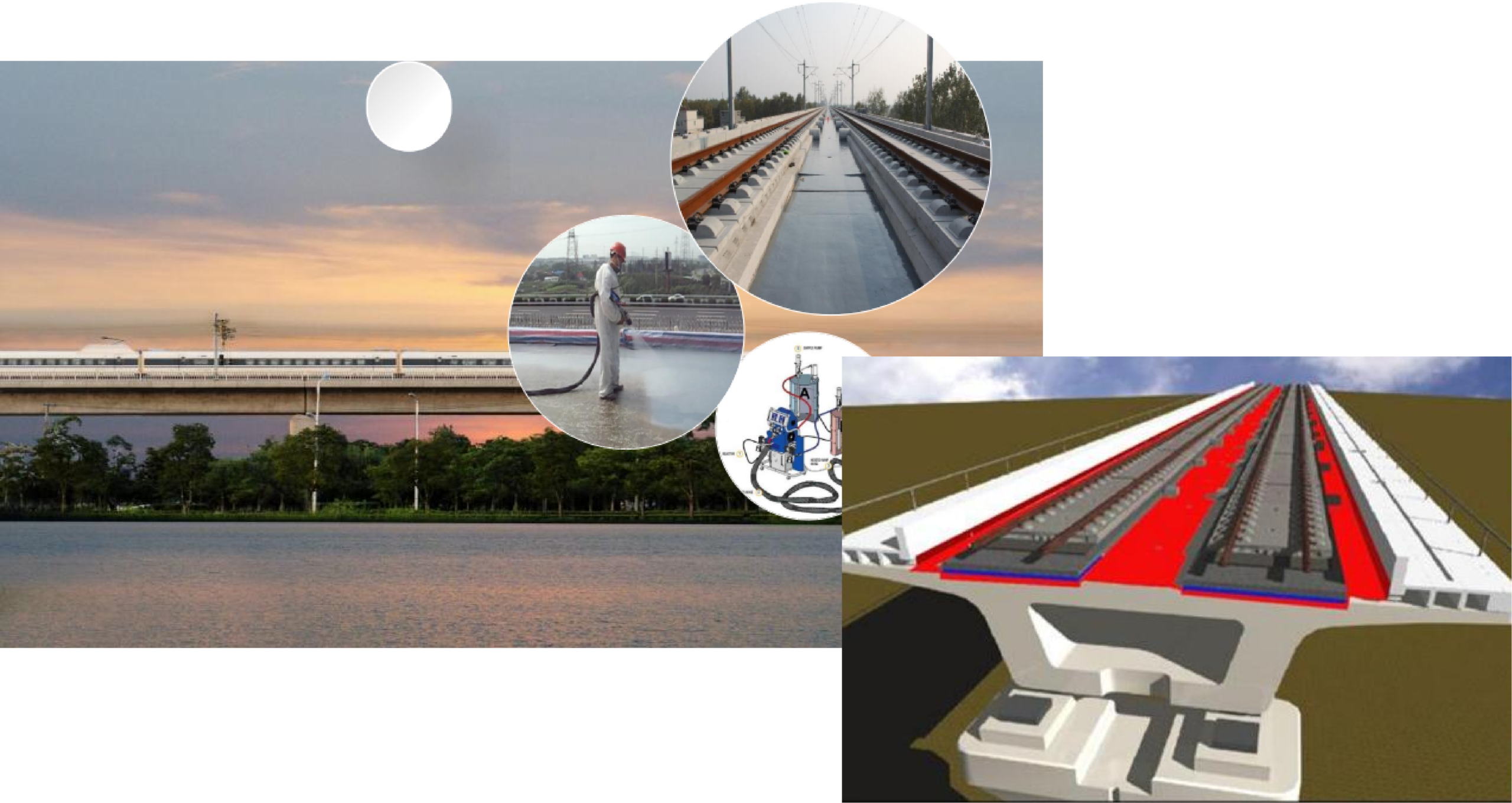
Bridge Deck of Beijing-Shanghai High-Speed Railway
It remains the world’s largest-scale polyurea waterproofing project to date, with a total consumption of polyurea coatings exceeding 20,000 tons. Adopting ballastless tracks, the Beijing-Shanghai High-Speed Railway imposes stringent requirements on waterproofing layers: they must not only fulfill the basic performance of anti-seepage and crack resistance, but also withstand the impacts caused by high-speed, heavy-haul, and alternating loads during train operations. Polyurea, reputed as the "King of Coatings", has achieved remarkable application in this project.
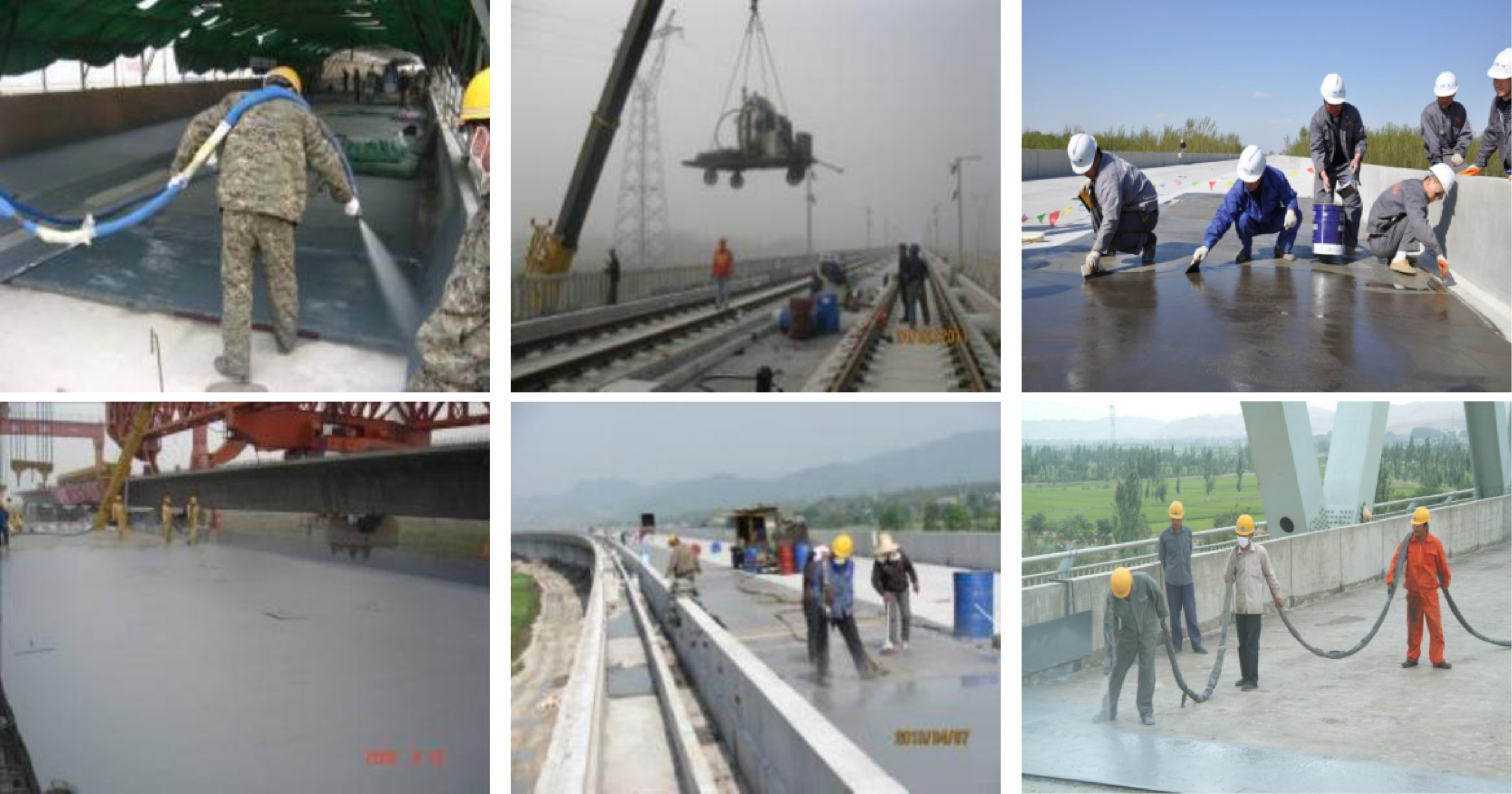
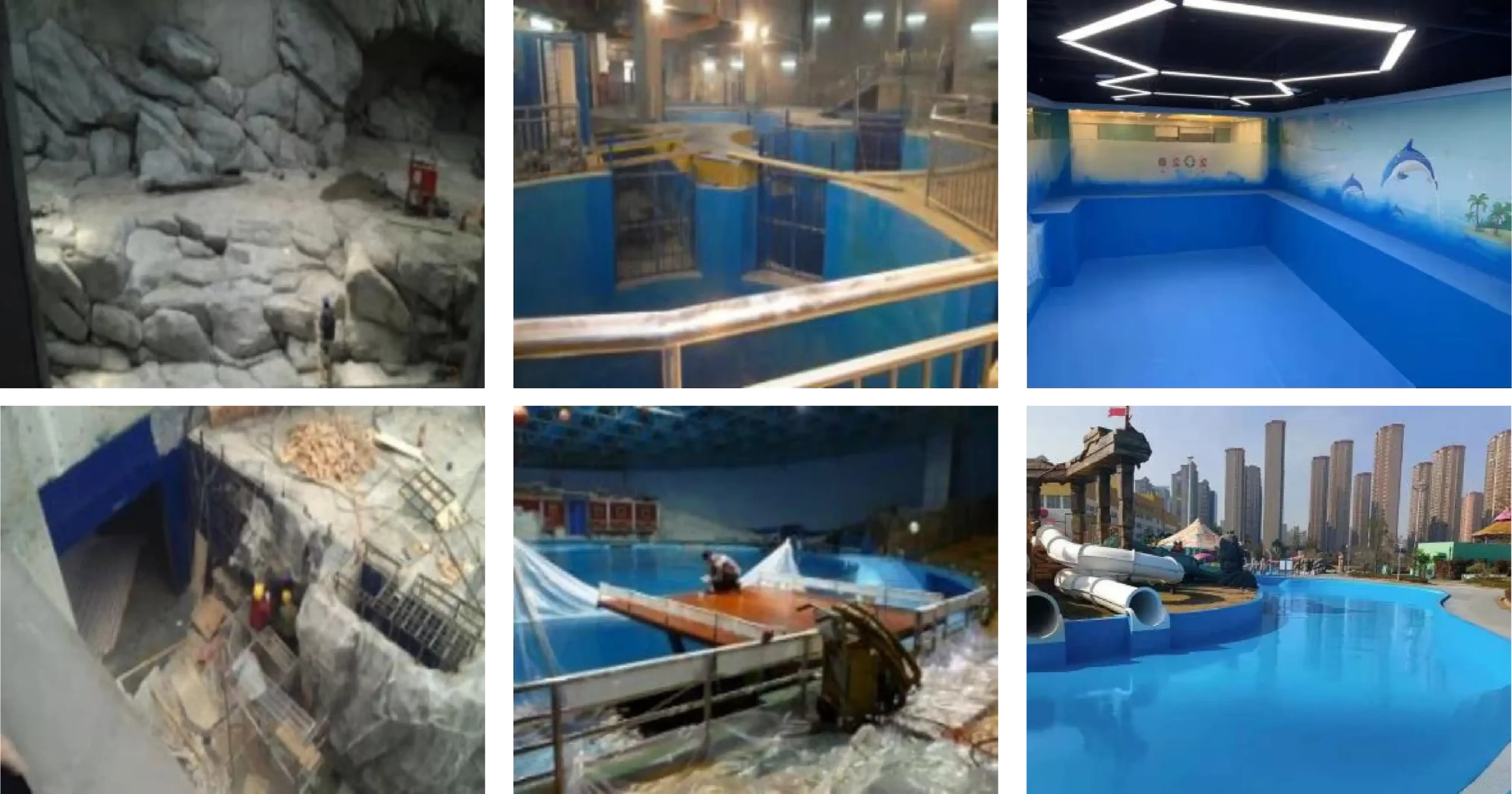
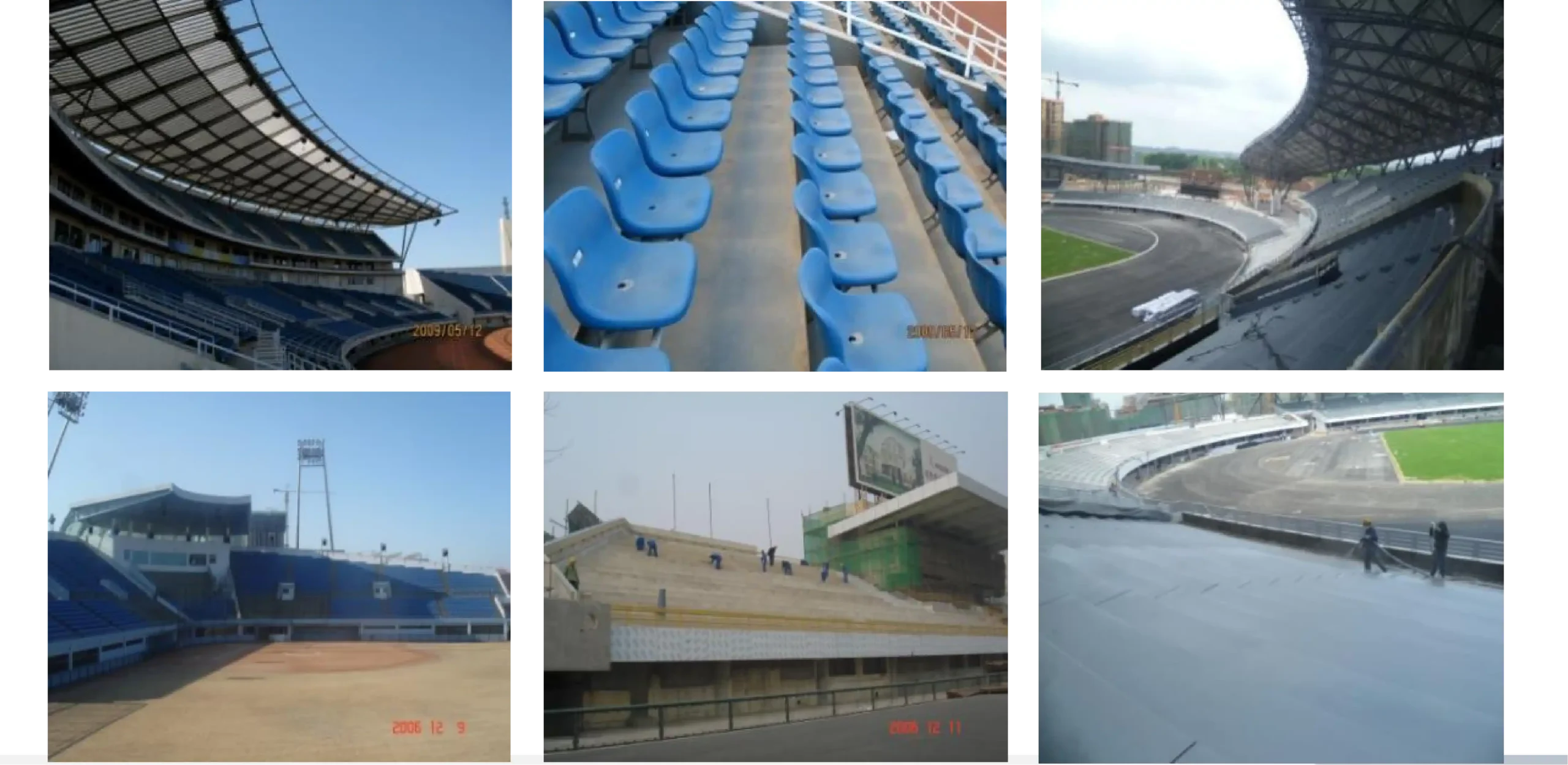
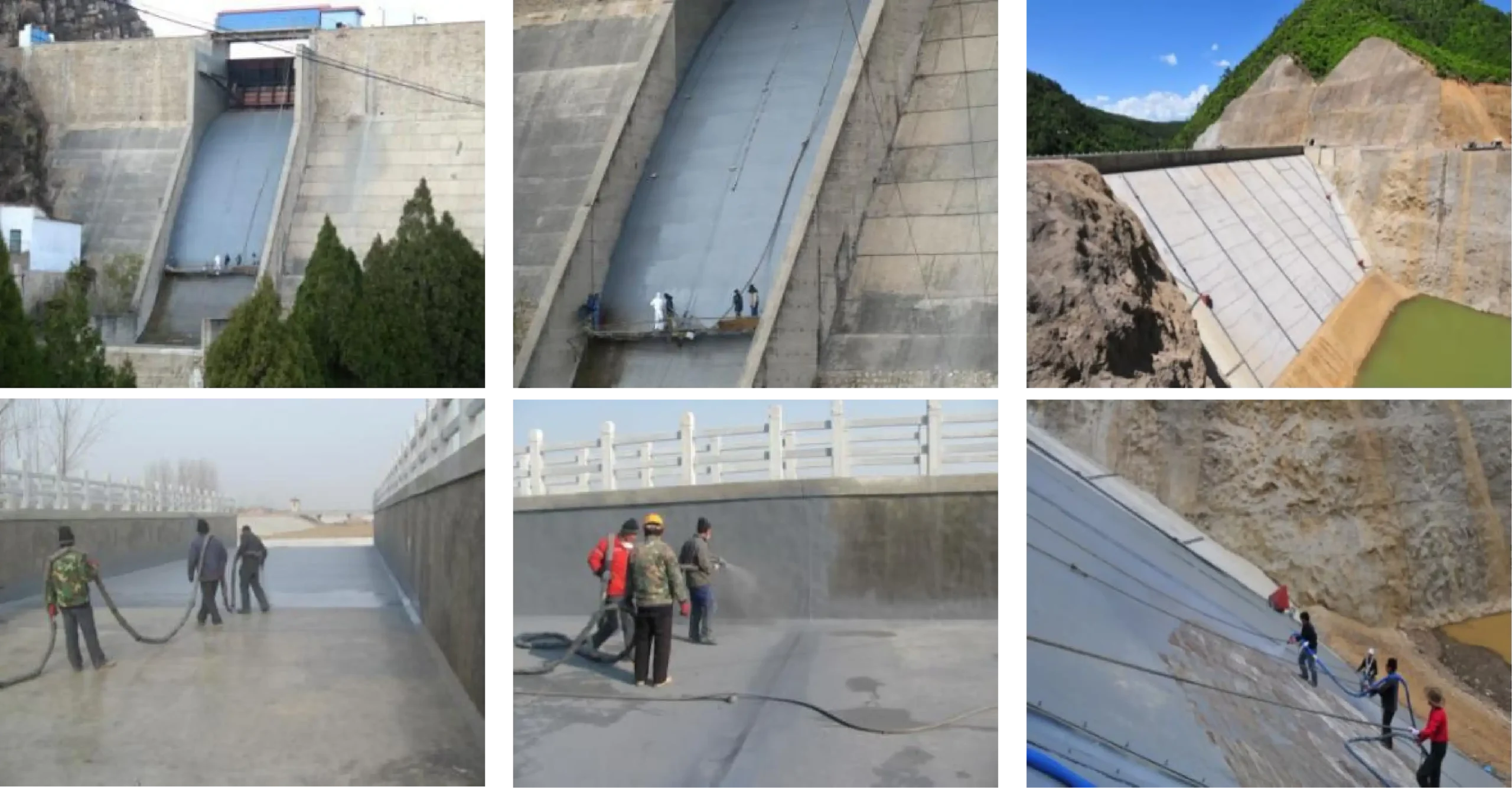
Transportation Engineering
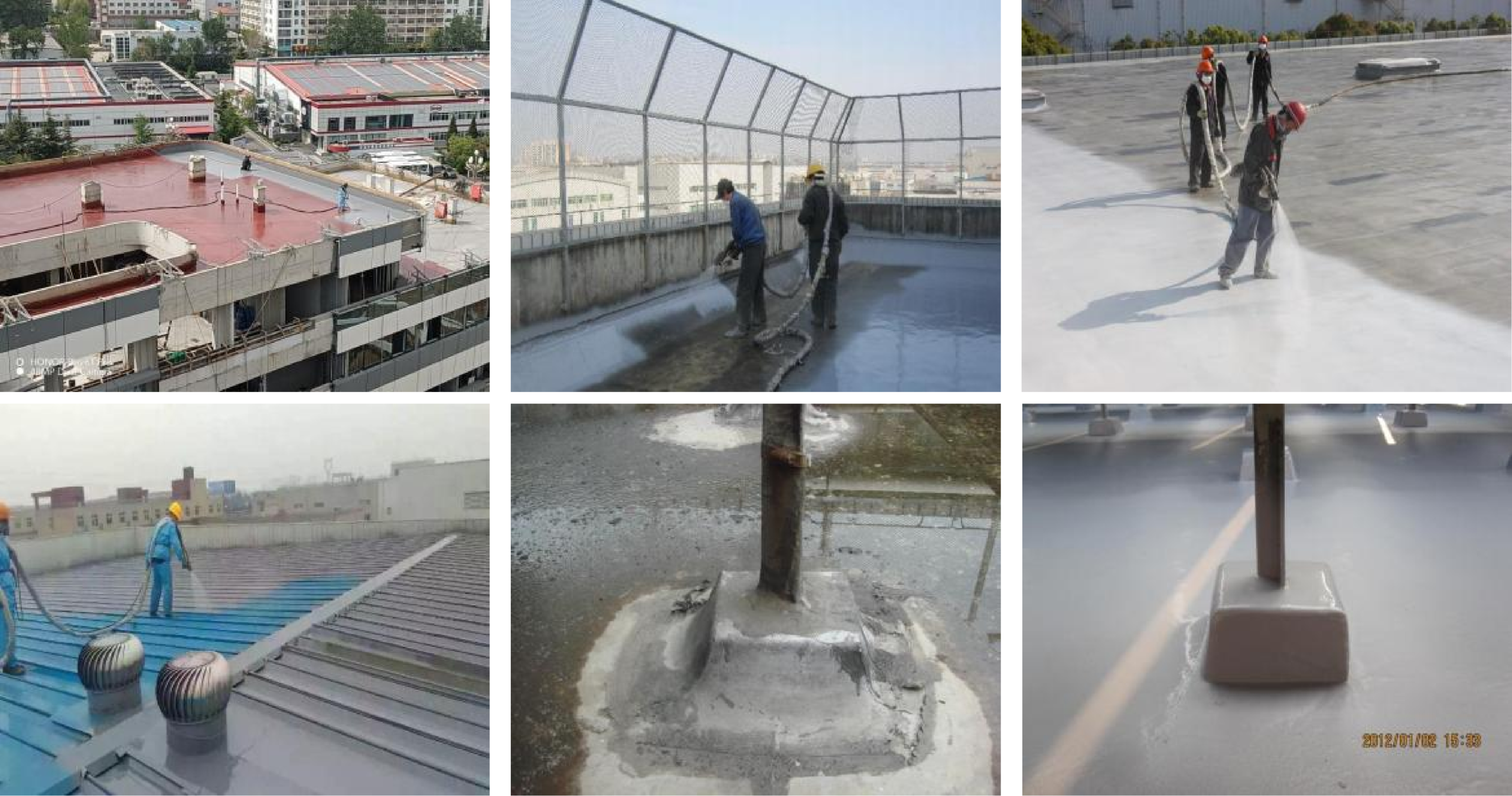
Concrete roof waterproofing
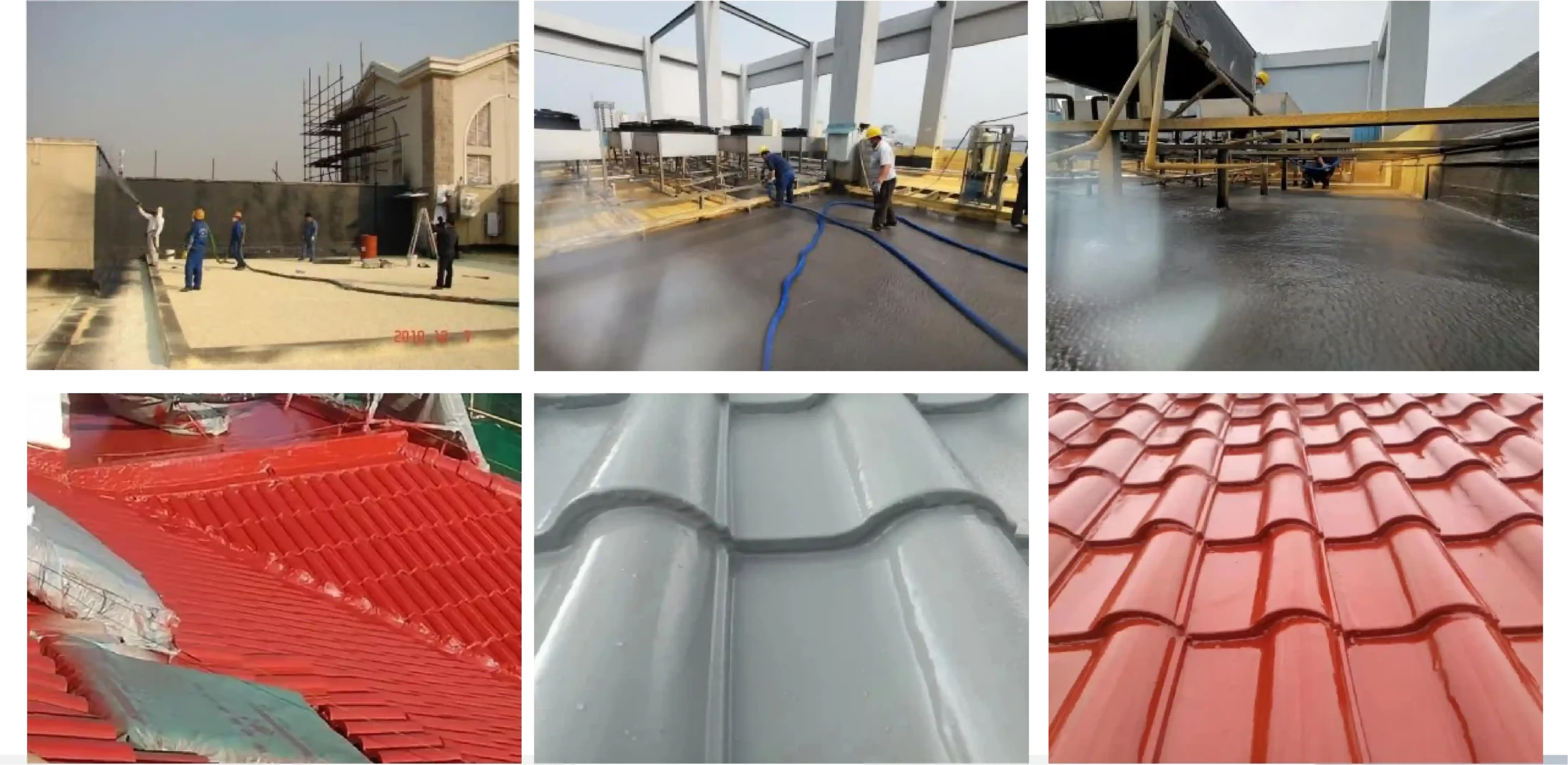
Integrated thermal insulation and waterproofing, old house renovation
Low-value consumables such as scrapers and rollers will be determined on a case-by-case basis.
3
Polyurea spraying
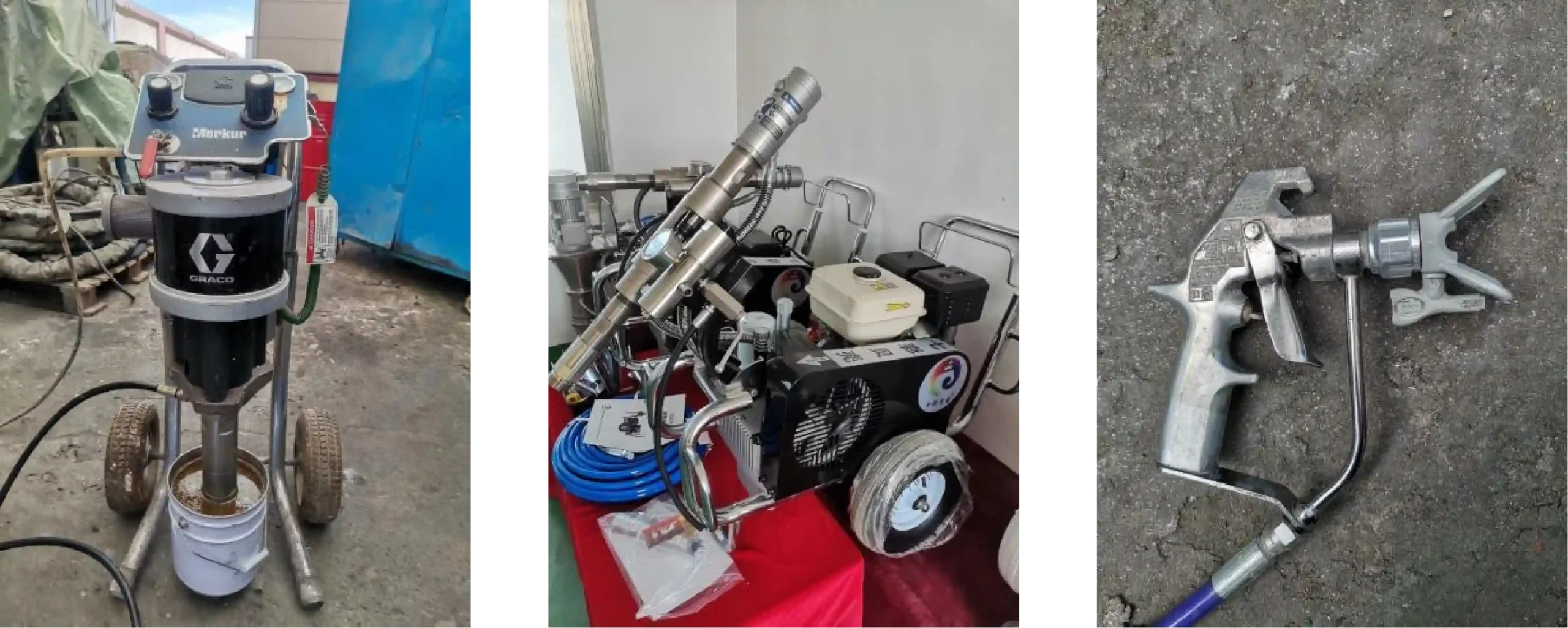
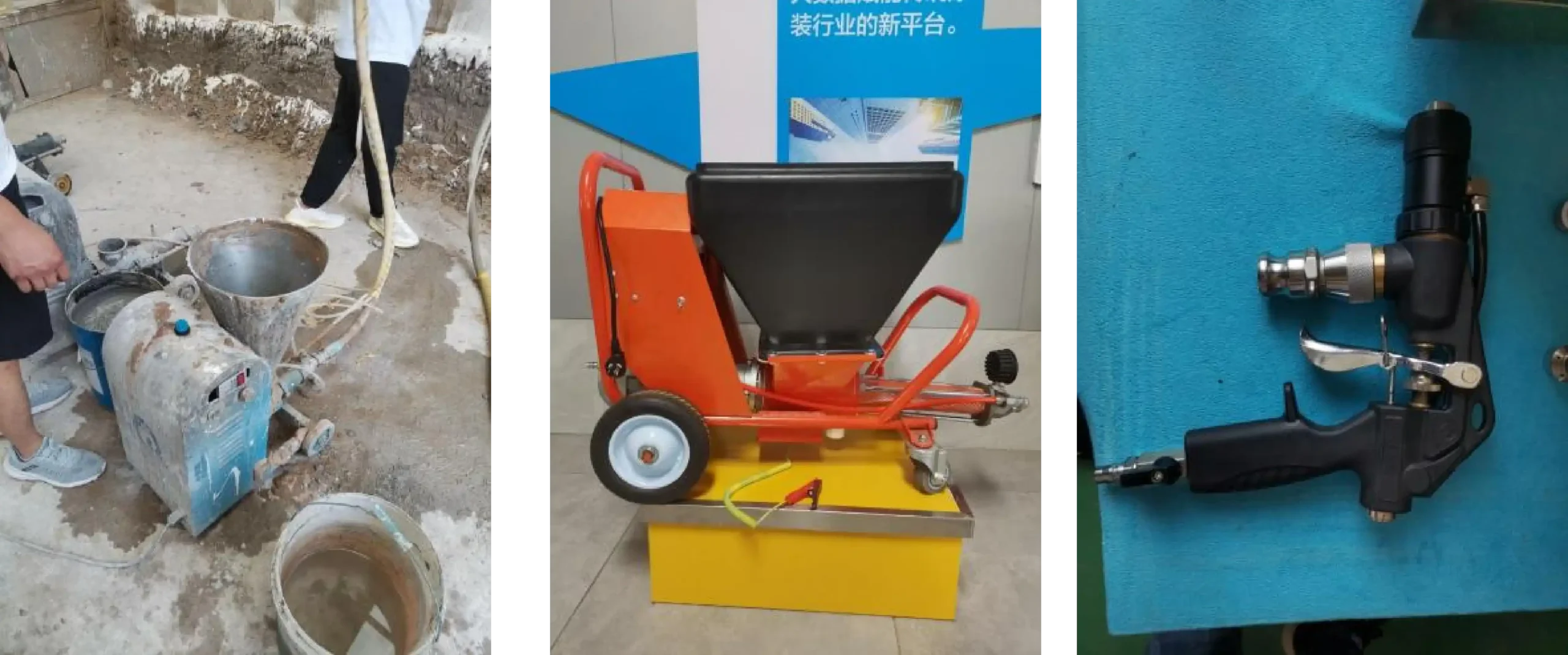
Polyurea sprayers, air compressors, refrigerated dryers, pneumatic mixers, etc.
3-6 people
Protective consumables will be determined on a case-by-case basis.
In the construction of large projects, there are specialized teams to carry out tasks such as scaffolding/suspended platform erection/dismantling, base layer grinding, base layer sealing, and polyurea spraying.
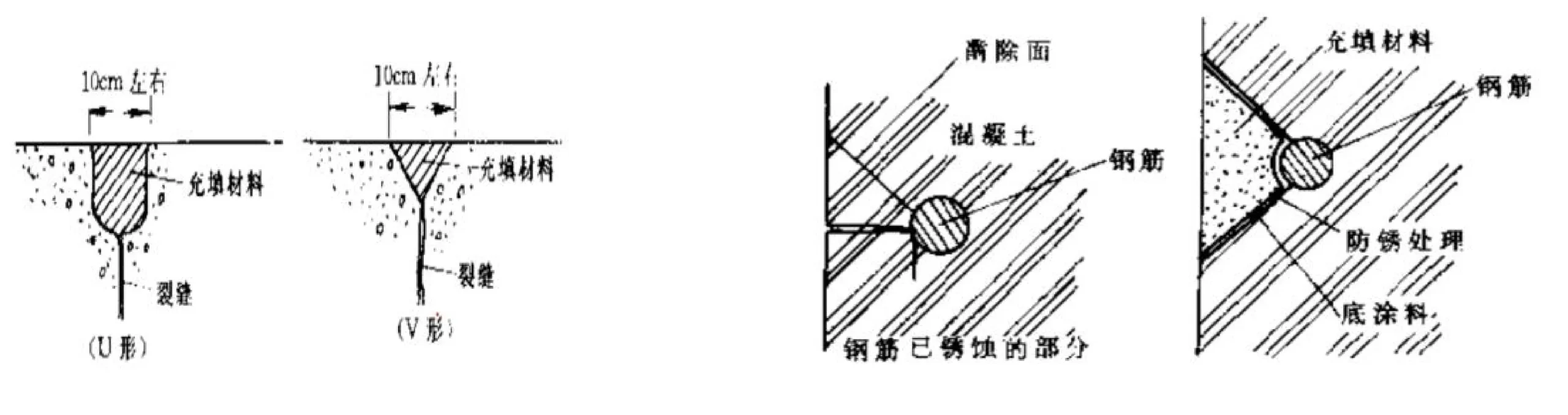
For steel reinforcement corrosion: remove rust from the steel reinforcement, perform rust prevention treatment, and then fill the crack.
Epoxy grouting can be used to seal leaks according to customer requirements.
4.5 Pre-treatment of open seams
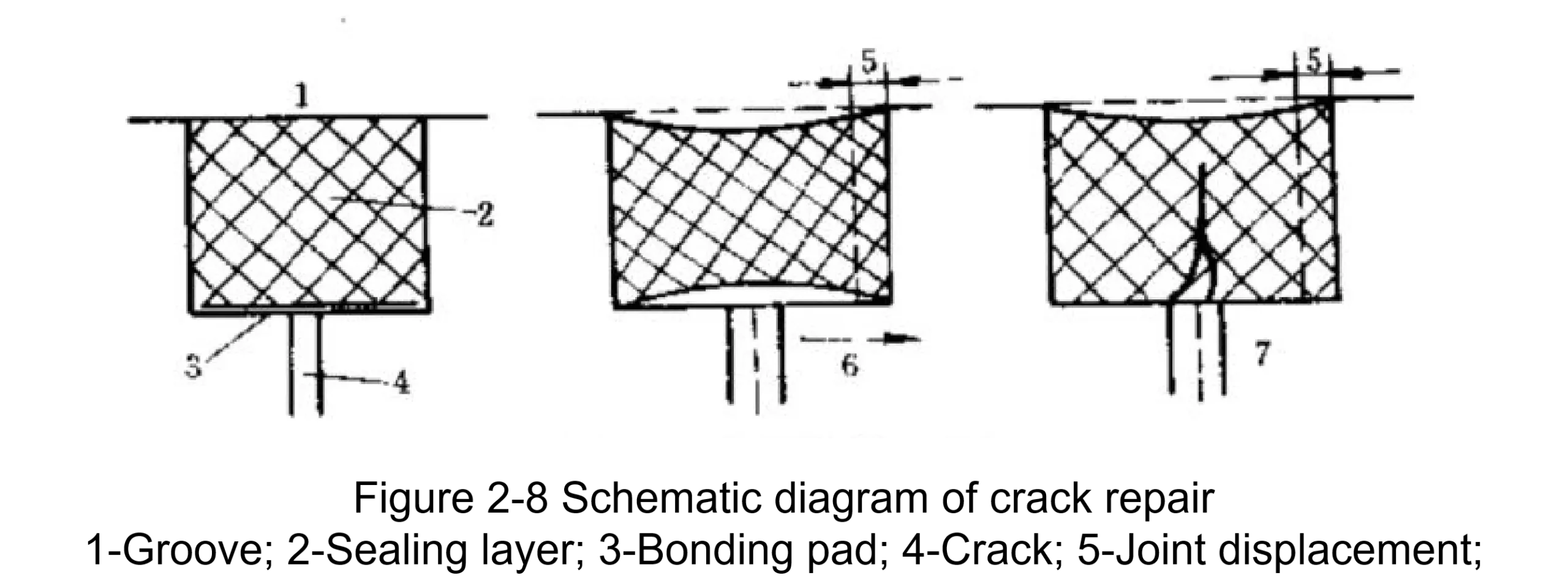
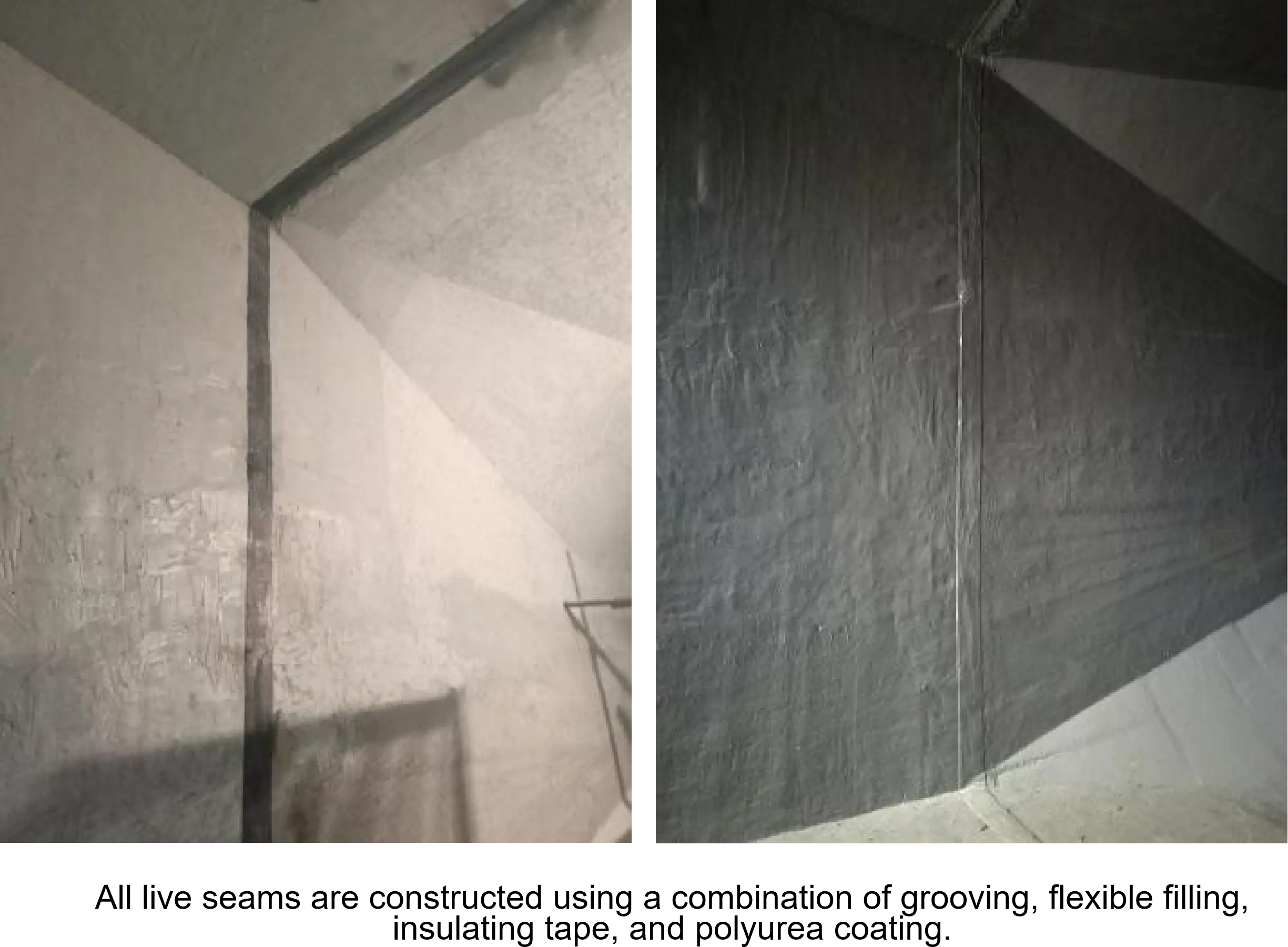
For a live joint, a U-shaped groove is cut along the crack's direction. A layer of non-adhesive material is placed at the bottom of the groove, followed by filling with an elastic sealant that adheres to both sides of the groove. This allows the sealant to deform freely along the entire width of the groove, preventing tearing forces from pulling the sealant apart when the crack deforms.
Epoxy grouting is used for leak sealing according to customer requirements.
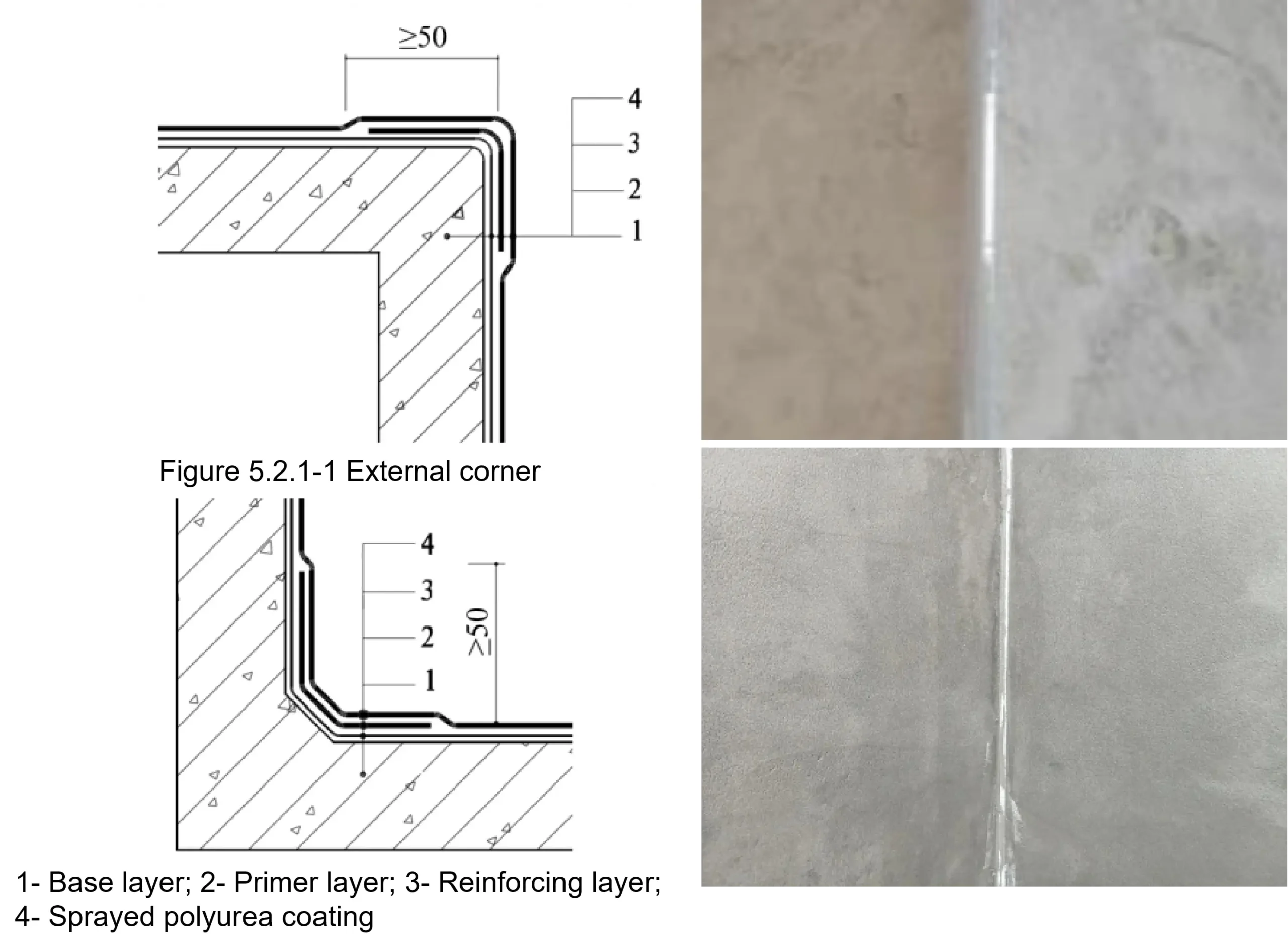
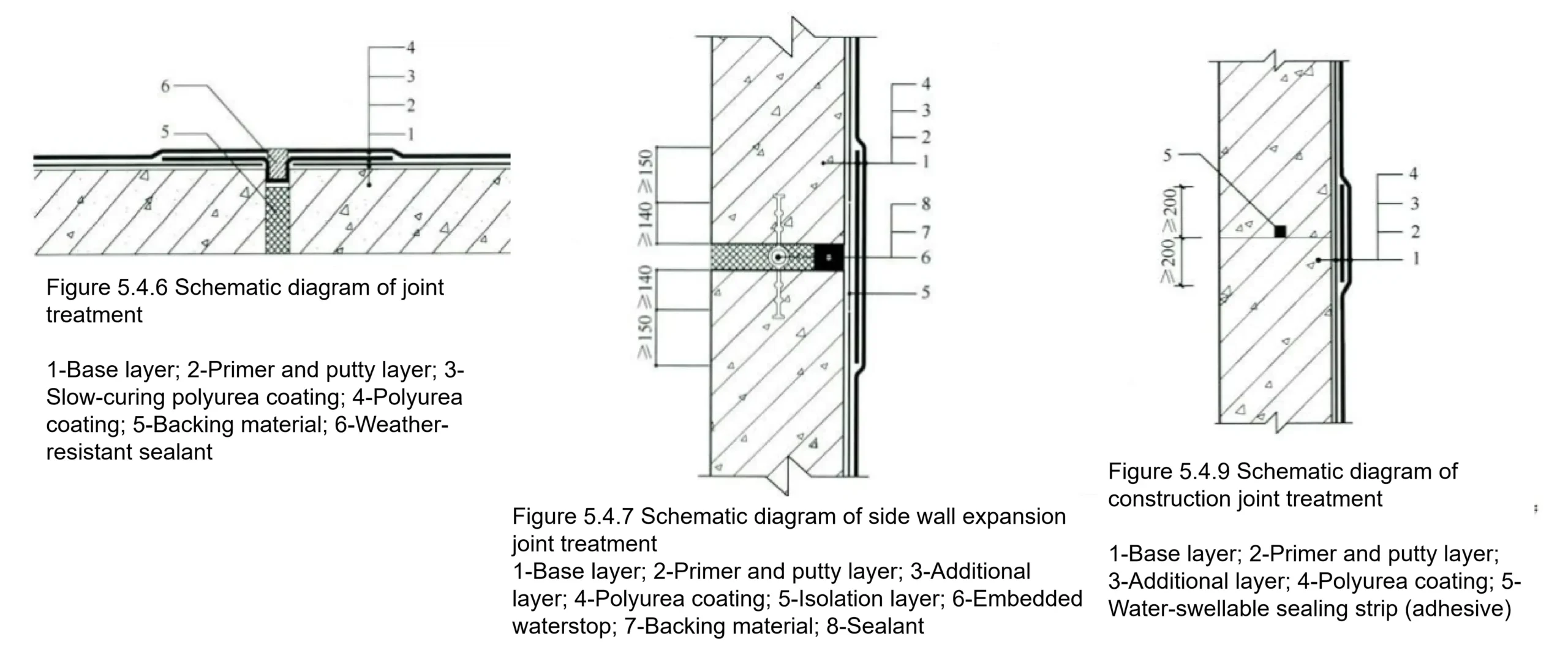
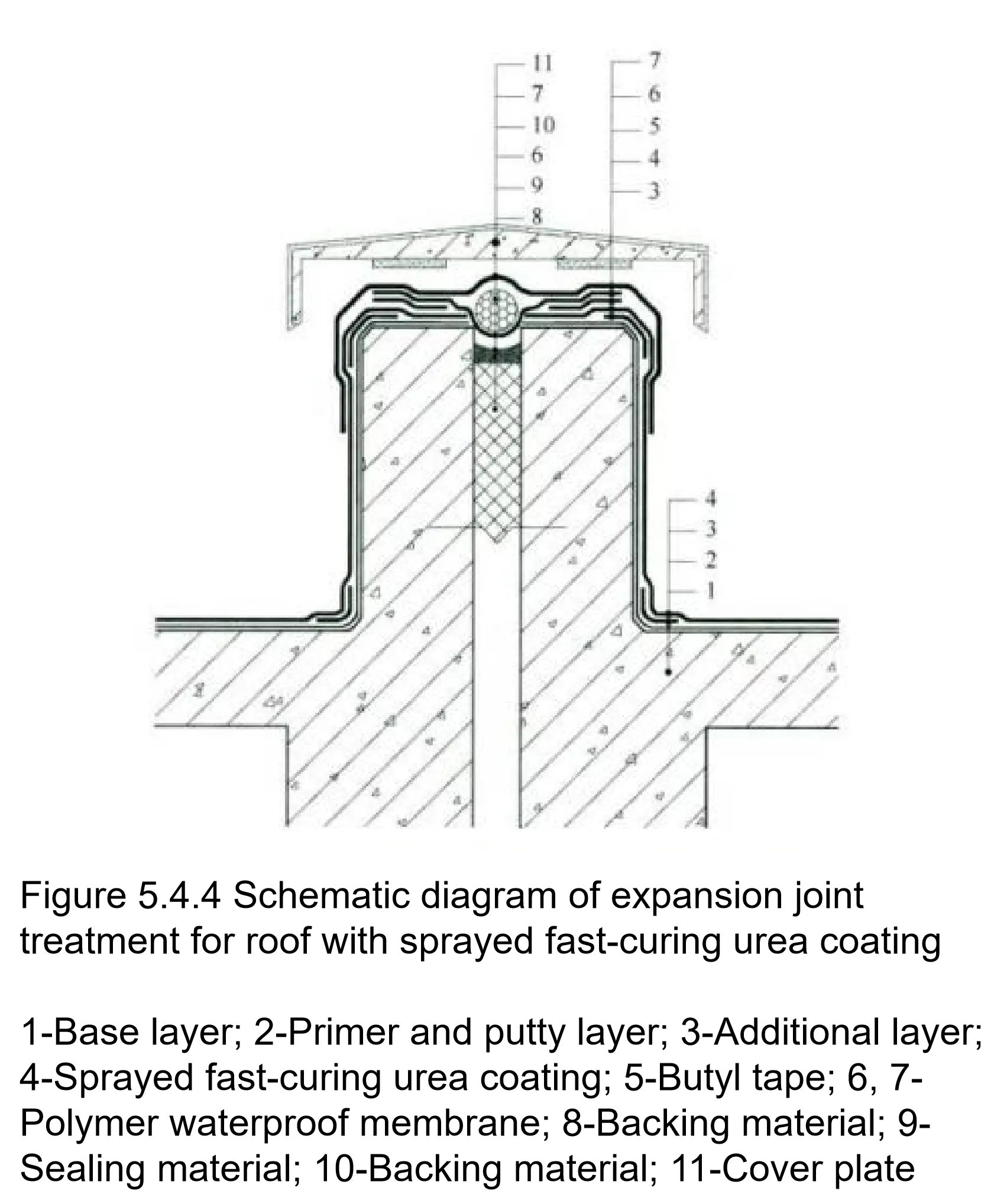
4.6 Seam Treatment
Isolation tape: butyl tape
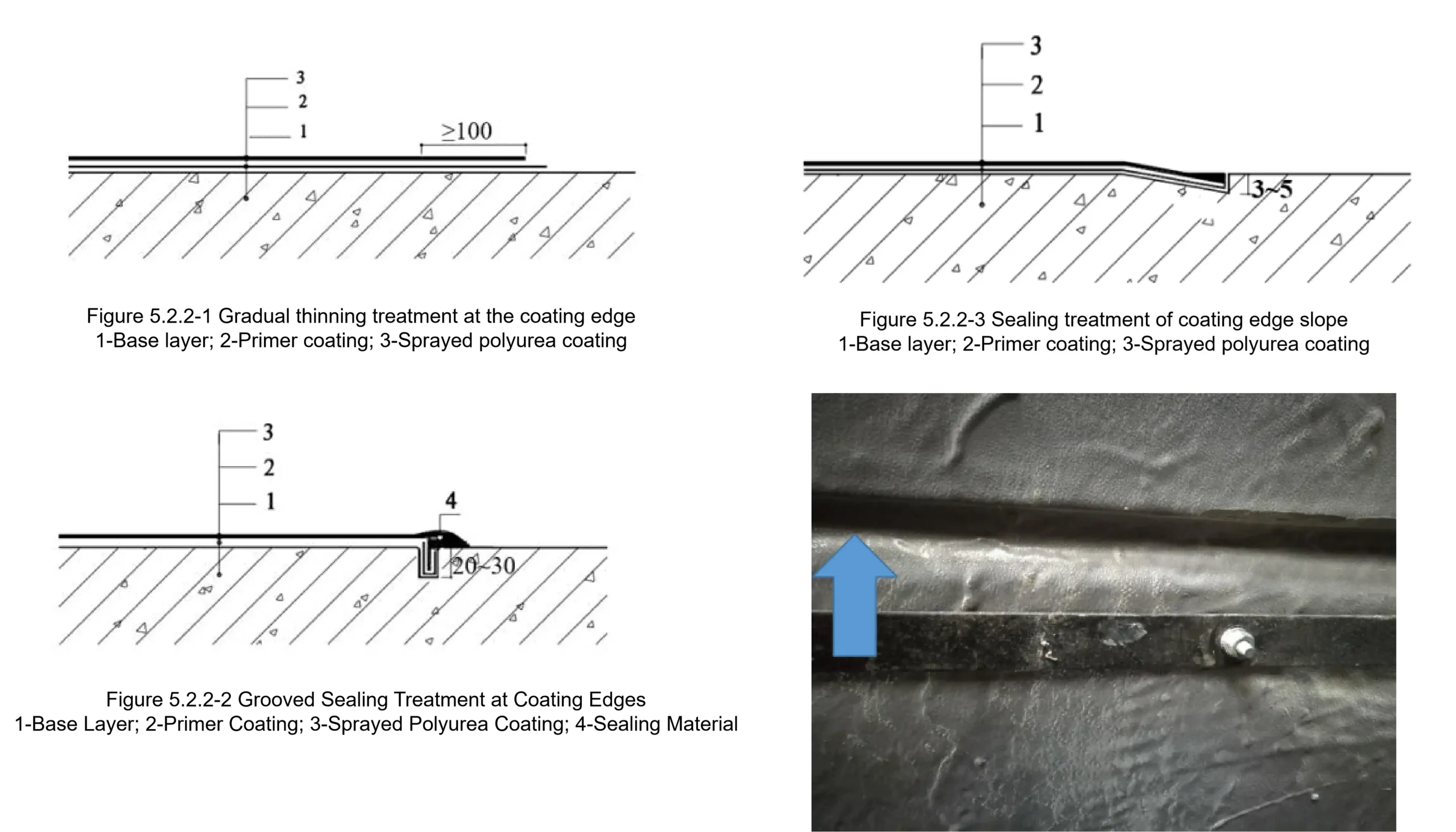
4.7 Edge sealing treatment (particularly important during project construction)
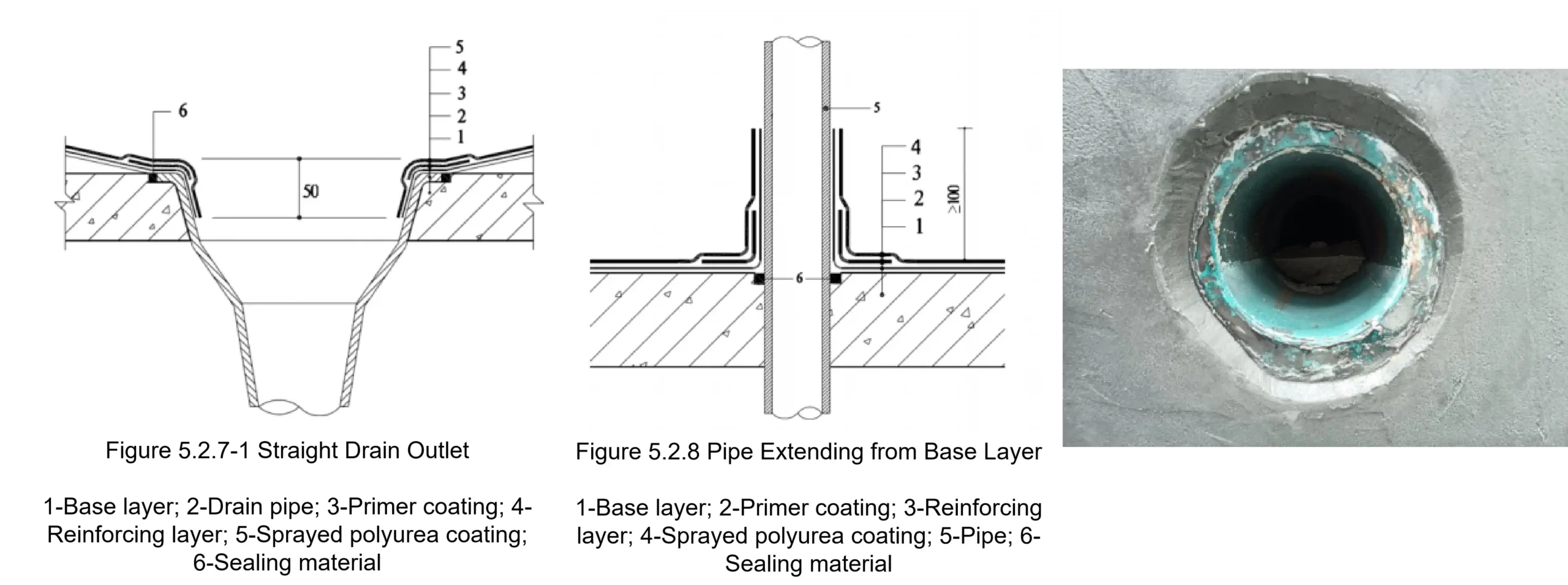
4.8 Treatment of water inlets and pipe roots
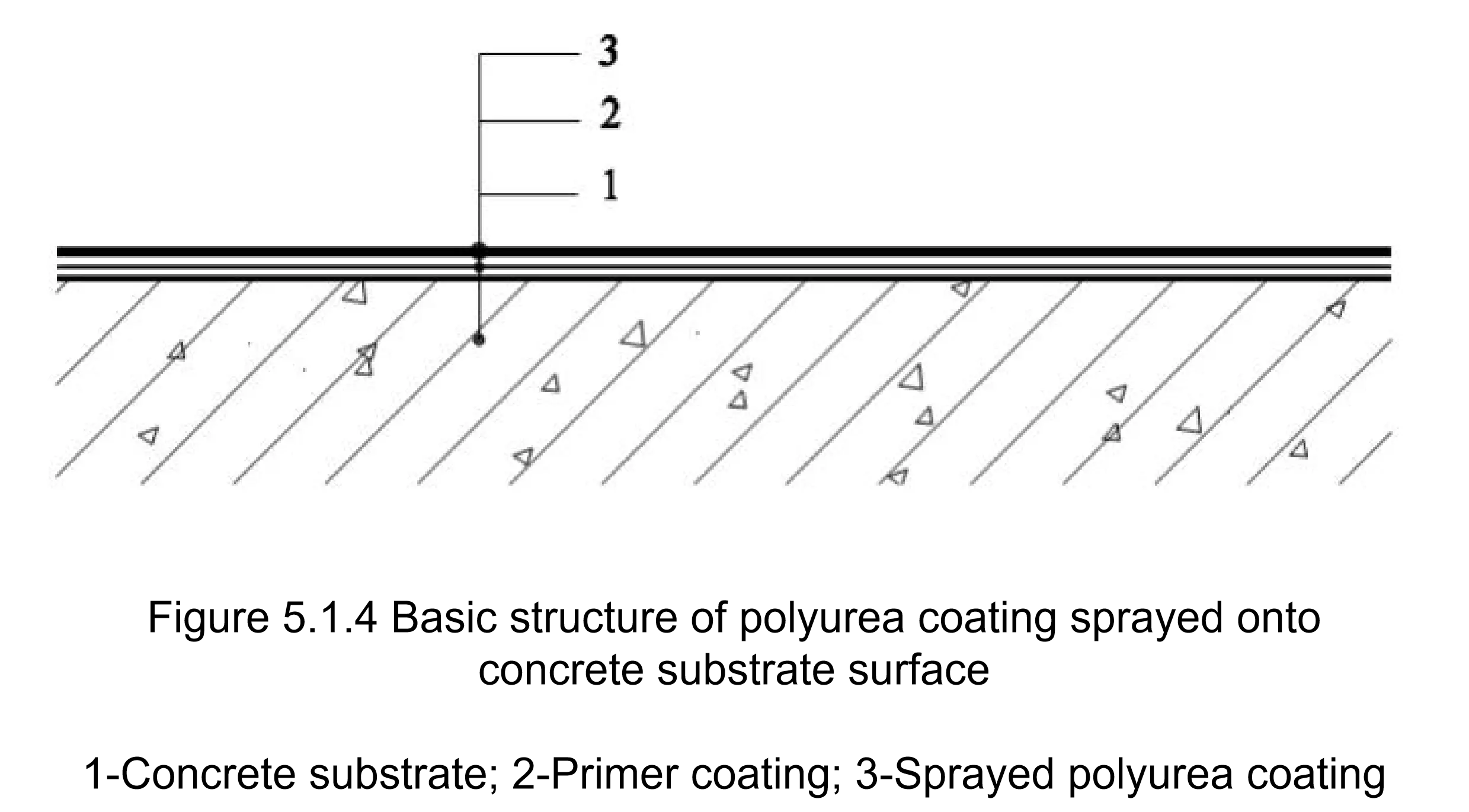
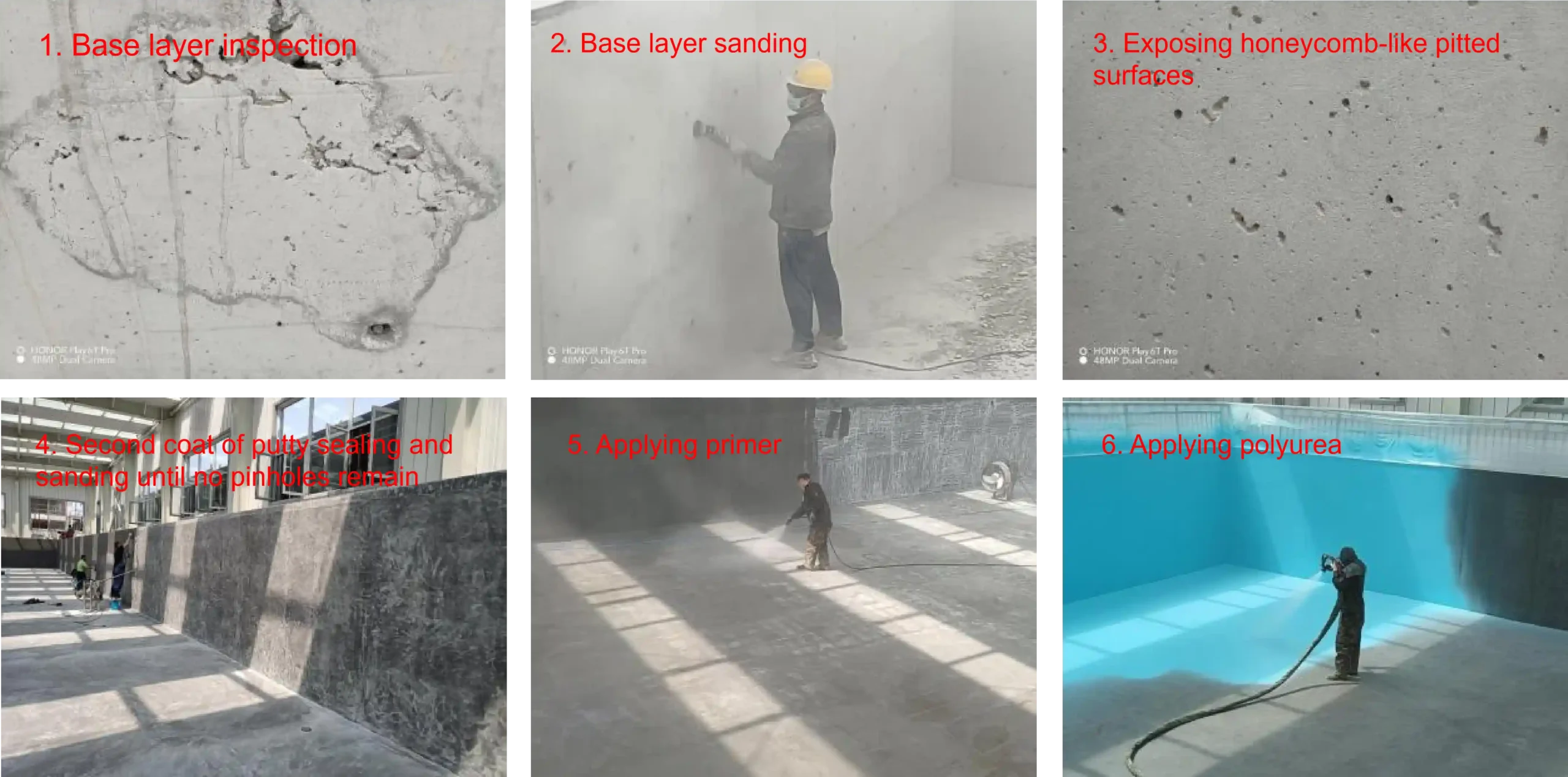
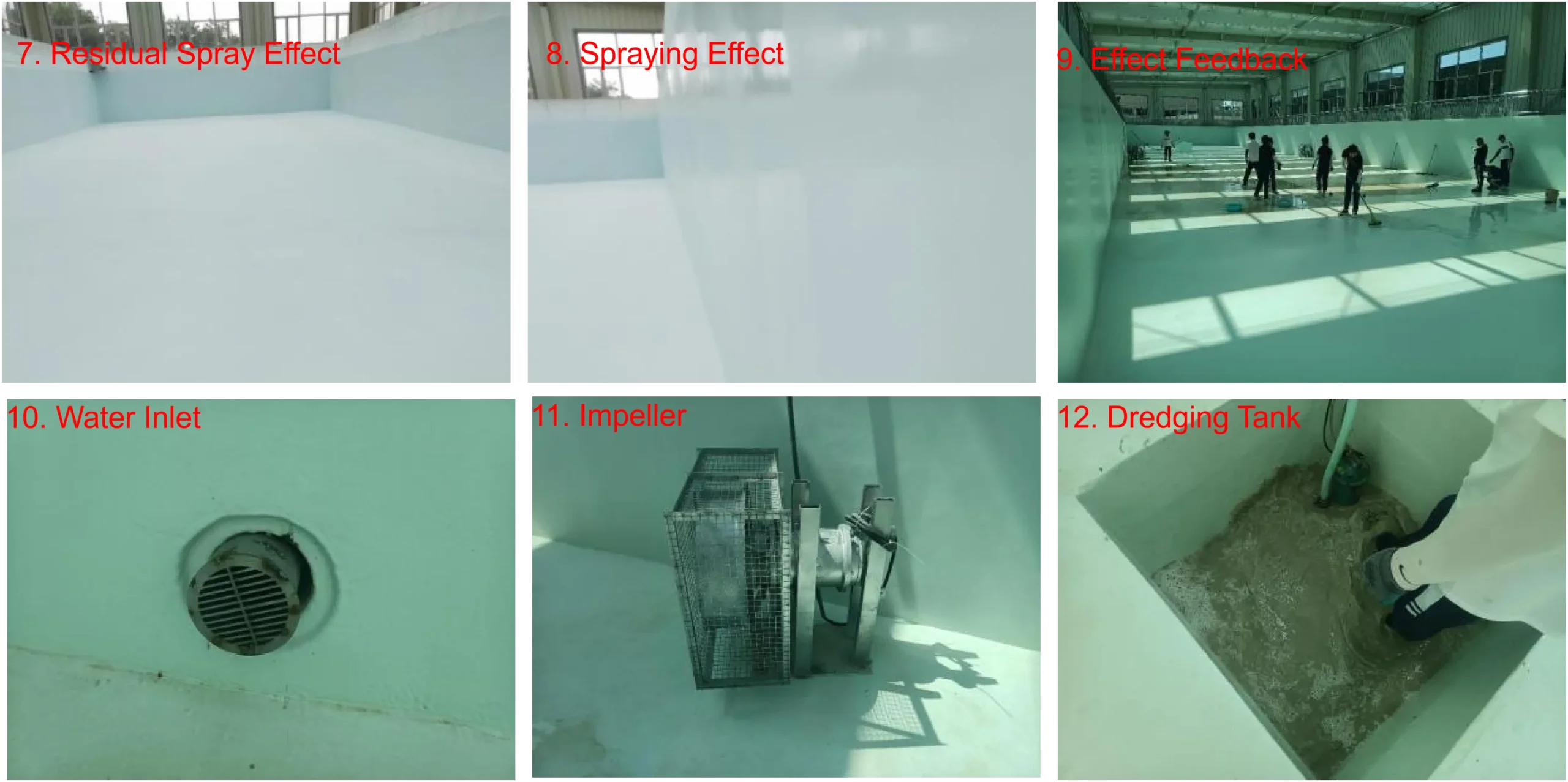
4.9 Construction process of concrete base course
Follow-up visit after one year of use
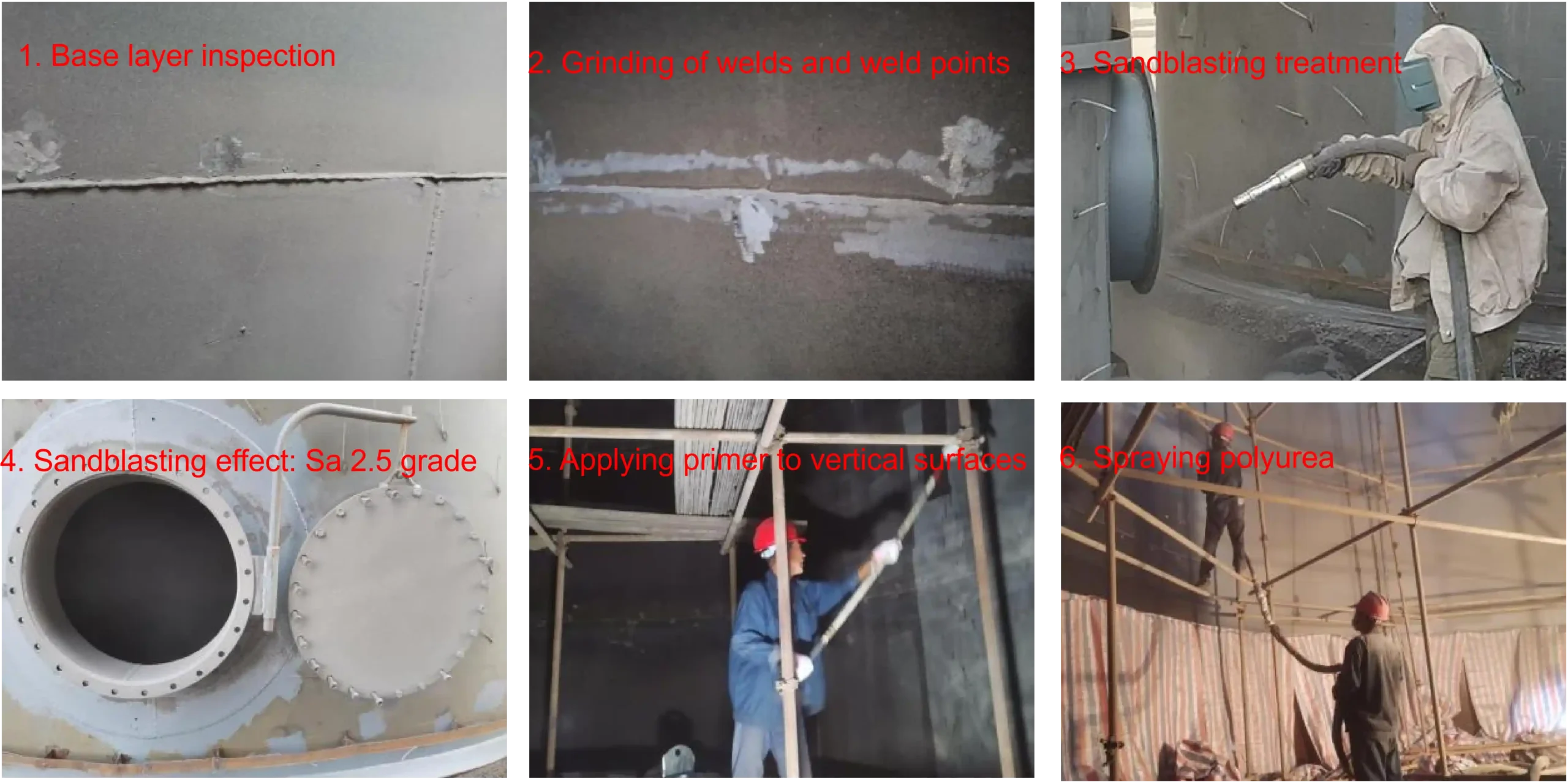
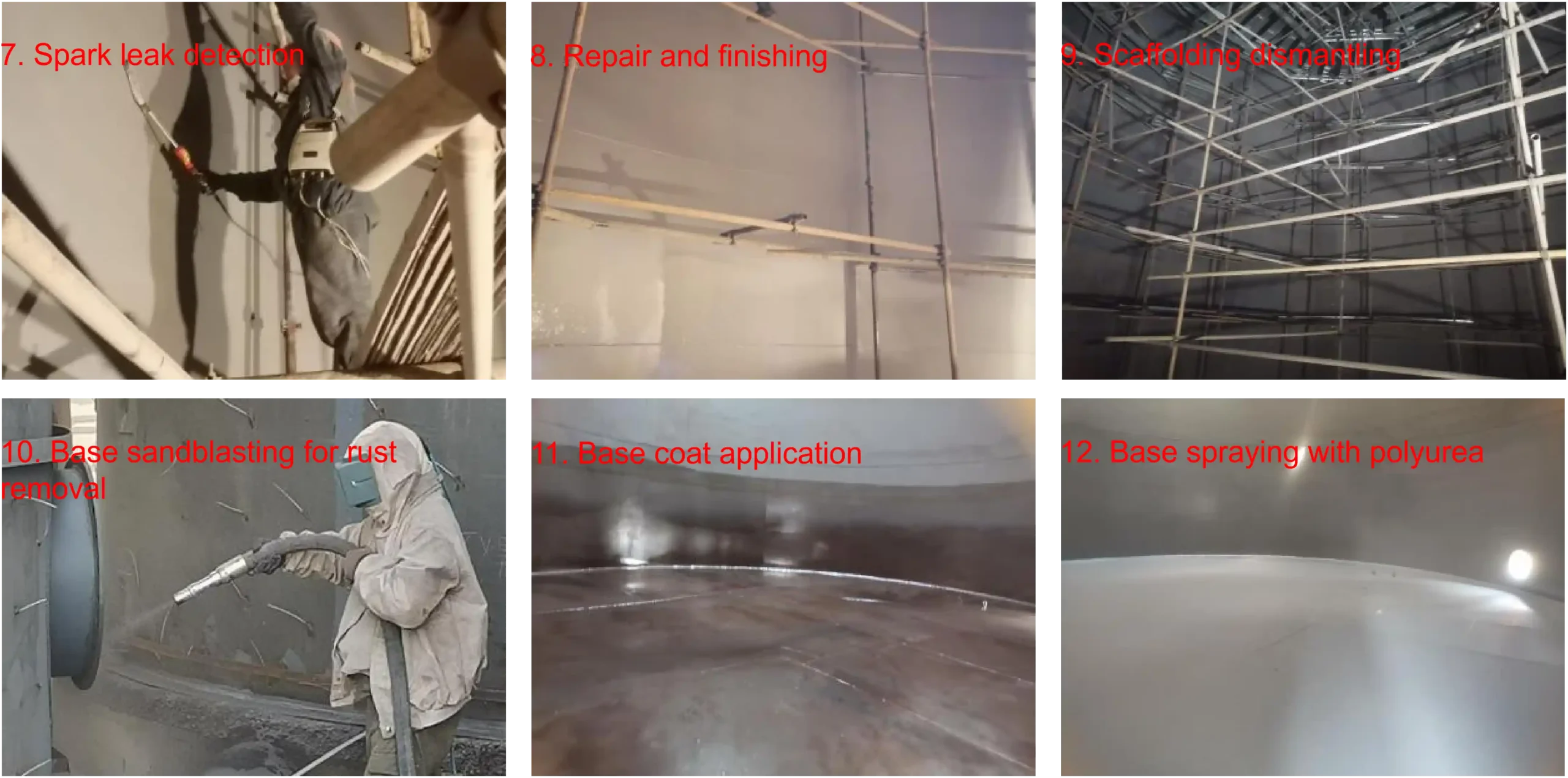
4.10 Construction process of metal substrate (steel substrate)
Two-component Spray Polyurea Material System
05 Acceptance
5.1 Material Inspection Upon Arrival
Table 7.1.3 Sampling and Re-inspection Items for Incoming Materials
Serial Number
Material Name
Sampling Batch
Sampling Quantity
Inspection Items
1
Sprayed rapid-set urea coating
Each 15 tons constitute one batch. If the quantity is less than 15 tons, it should also be counted as one batch.
Total weight according to formula: 40kg
Solid content, tensile strength, elongation at break, impermeability
2
Single-component slow-curing polyurea coating
5kg
Solid content, surface drying time, complete drying time, tensile strength, elongation at break, impermeability, thick coating blistering, bond strength under standard test conditions
3
Two-component slow-curing polyurea coating
Total weight according to formula: 5kg
Solid content, surface drying time, tensile strength, elongation at break, impermeability, bond strength under standard test conditions
4
Base coat and putty
Count 5 tons as one batch. Any quantity less than 5 tons should also be counted as one batch.
Total weight according to formula: 1kg
Surface drying time, bond strength on dry substrate, peel strength on dry substrate
5
Coating with weather-resistant waterproofing paint
It should be counted as one batch for every 10 tons. If the quantity is less than 10 tons, it should also be regarded as one batch.
2 kg
Solid content, bond strength, impermeability
6
Polyurethane building sealant
Count 5 tons as one batch. Any quantity less than 5 tons should also be counted as one batch.
1. Single component: 6 vials; 2. Two-component: Total weight according to formula: 4kg
Leveling properties, surface drying time, adhesion at constant elongation, adhesion at constant elongation after immersion in water
7
Tissue matrix reinforcing material
Count by 5,000 square meters as one batch. If the area is less than 5,000 square meters, it should also be counted as one batch.
2㎡
Mass per unit area
5.2 On-site Inspection
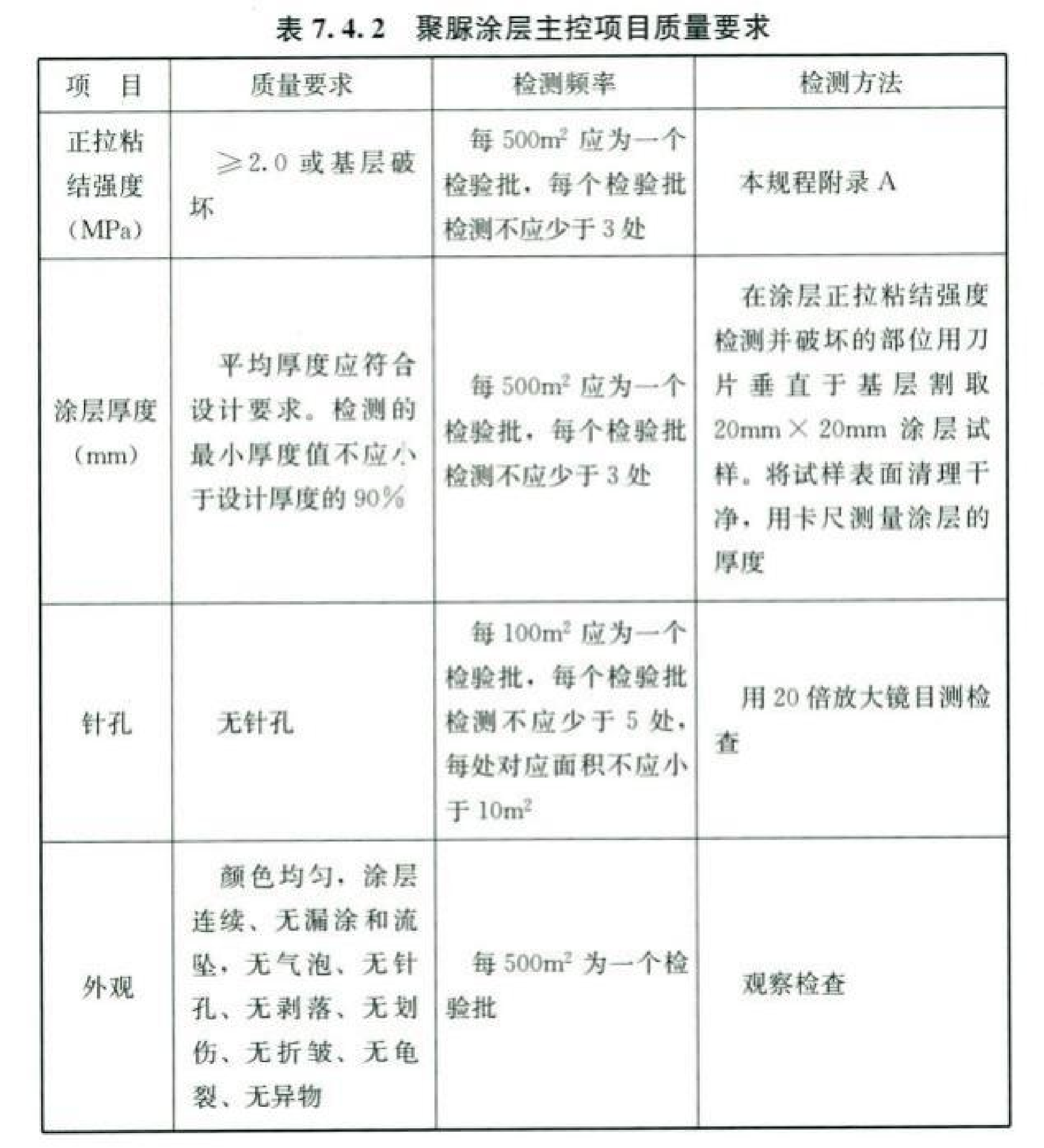
Table 7.3.1 Quality Requirements for the Base Layer
Item
Quality Requirements
Testing Frequency
Testing Methods
Adhesion strength between the repaired area and the substrate (MPa)
≥2.0 or damaged concrete substrate
Each 500㎡ should constitute one inspection batch, and each inspection batch should include at least 3 testing sites.
Current Industry Standard: Technical Specification for On-site Testing of Building Waterproofing Engineering (JGJ/T 299) Test for Tensile Bond Strength of Substrate Surface
Primer
Even application, normal curing, no missed areas, no buildup
Visual Inspection
7.3.2 After the surface treatment at the base layer is completed, it should be clean without any defects such as holes, hollowing, looseness, cracks, dust, oil stains, or foreign objects. Testing method: Observation and inspection, as well as review of the acceptance records for concealed works.
5.3 Acceptance of Polyurea Coating
7.4.3 Underground waterproofing projects using polyurea coatings should be inspected and accepted in accordance with the waterproofing grade standards specified in the design documents. Other waterproofing and protection projects must not have any leakage. Testing method: Observation after rain or water immersion for 2 hours, and water retention test for 24 hours.
Two-component Spray Polyurea Material System
06 Case Analysis
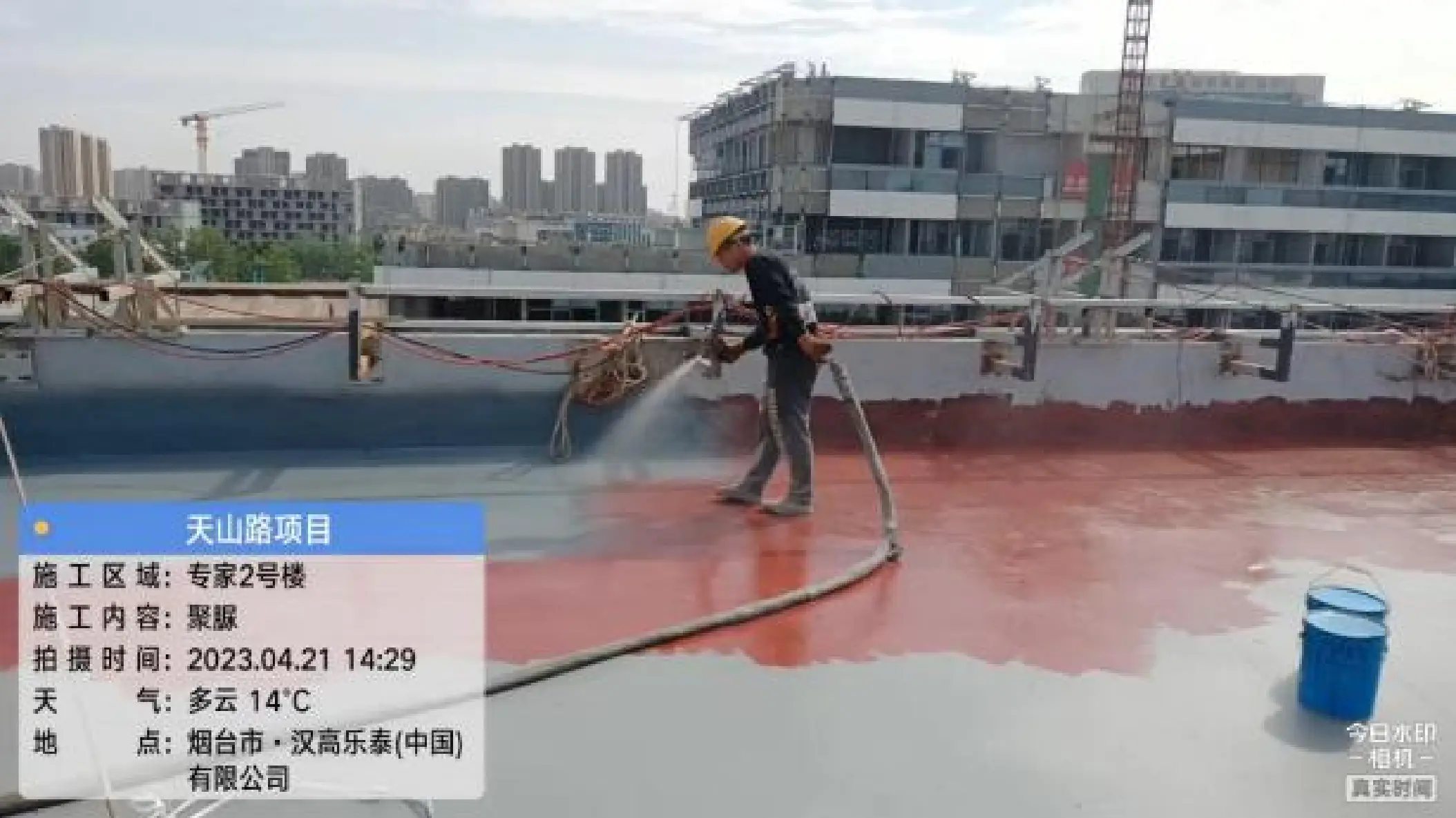
Case 1: Construction requires specialization
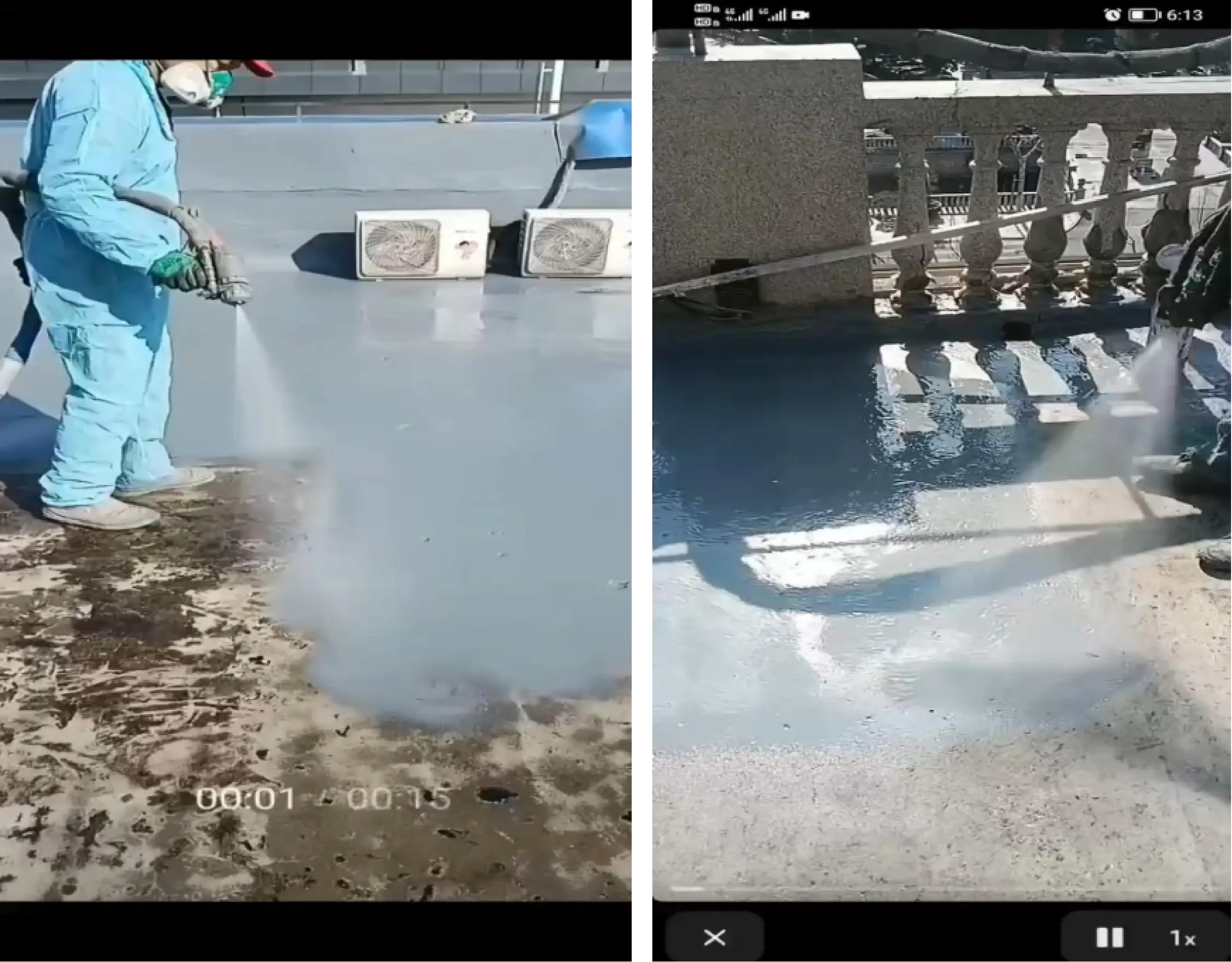
What are the problems in the spraying process shown in the video?
Issues: 1. Upwind spraying - - - Particulate matter pollution on the primer; 2. The distance between the spray gun and the base layer is too far - - - 0.5 meters; 3. Inclined spraying - - - Vertical spraying; 4. Unidirectional spraying - - - Crossed horizontally and vertically;
5. Coating lap risk - - - Spray in sequence.
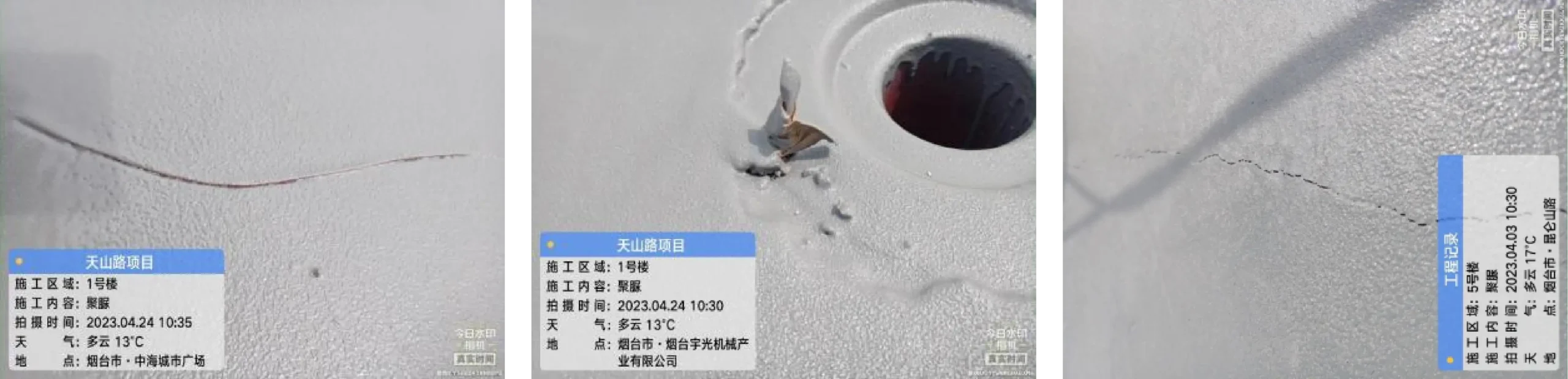
Reason: One-way spraying, with poor horizontal and vertical coverage; 2. The environment is dirty, with debris on the floor.
Reason: The details were not handled properly.
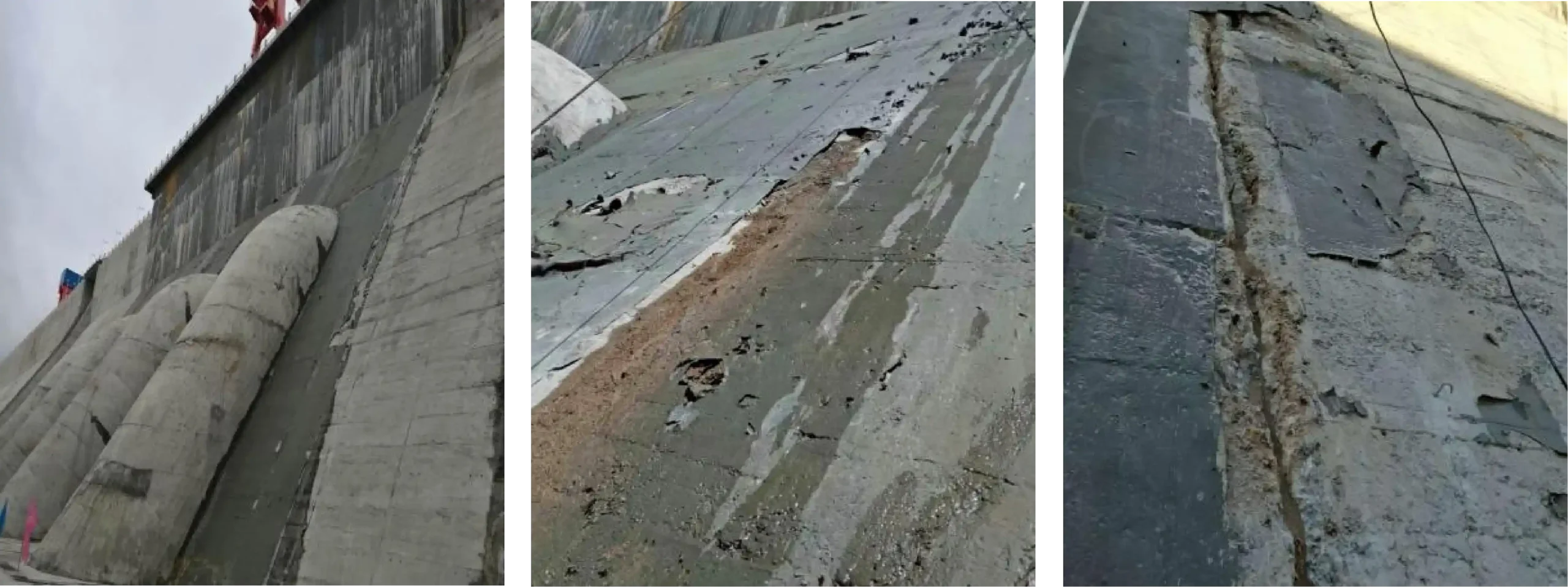
Reason: The base concrete was not stable and cracks appeared. 2. The gap was not dealt with.
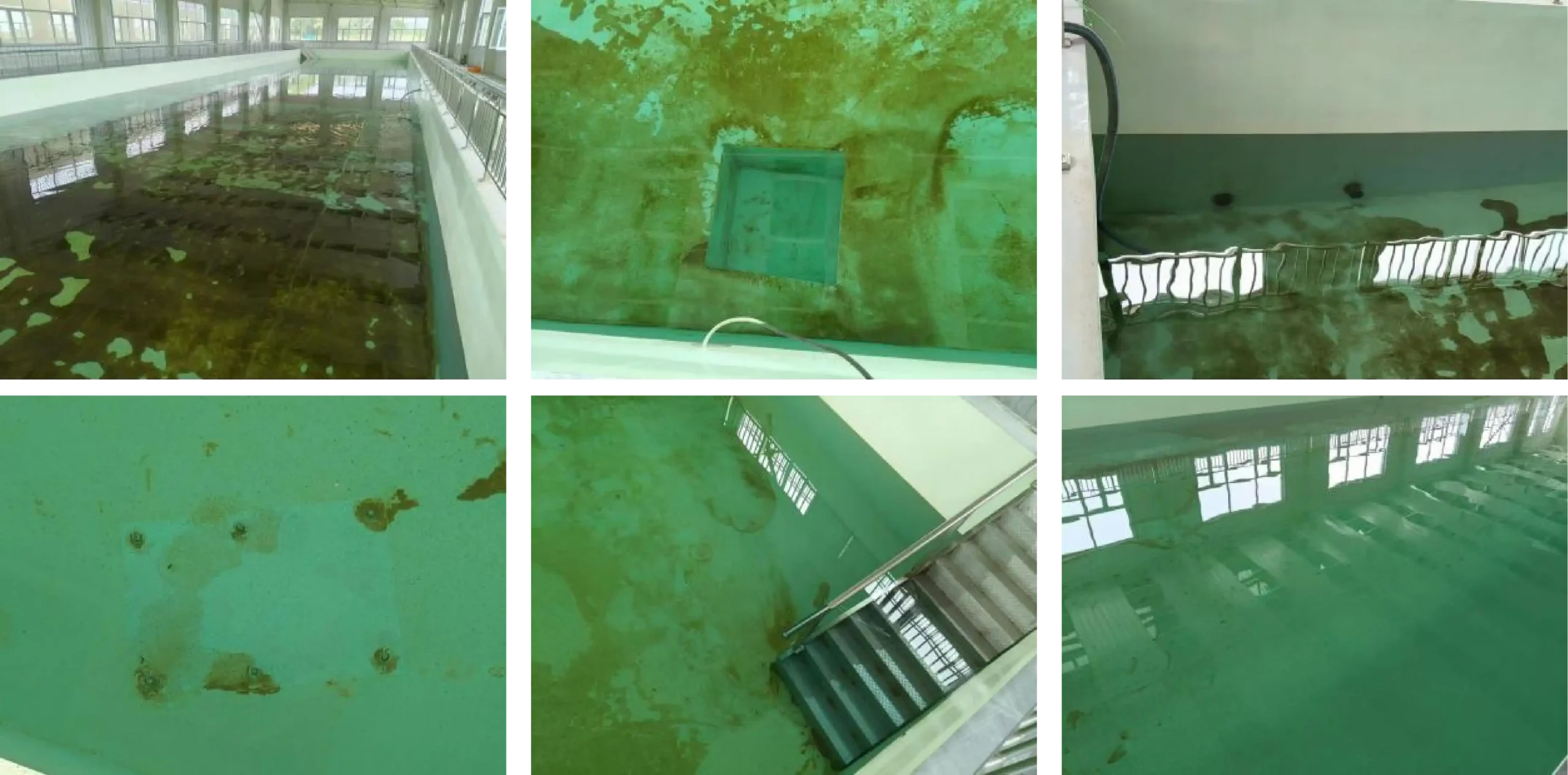
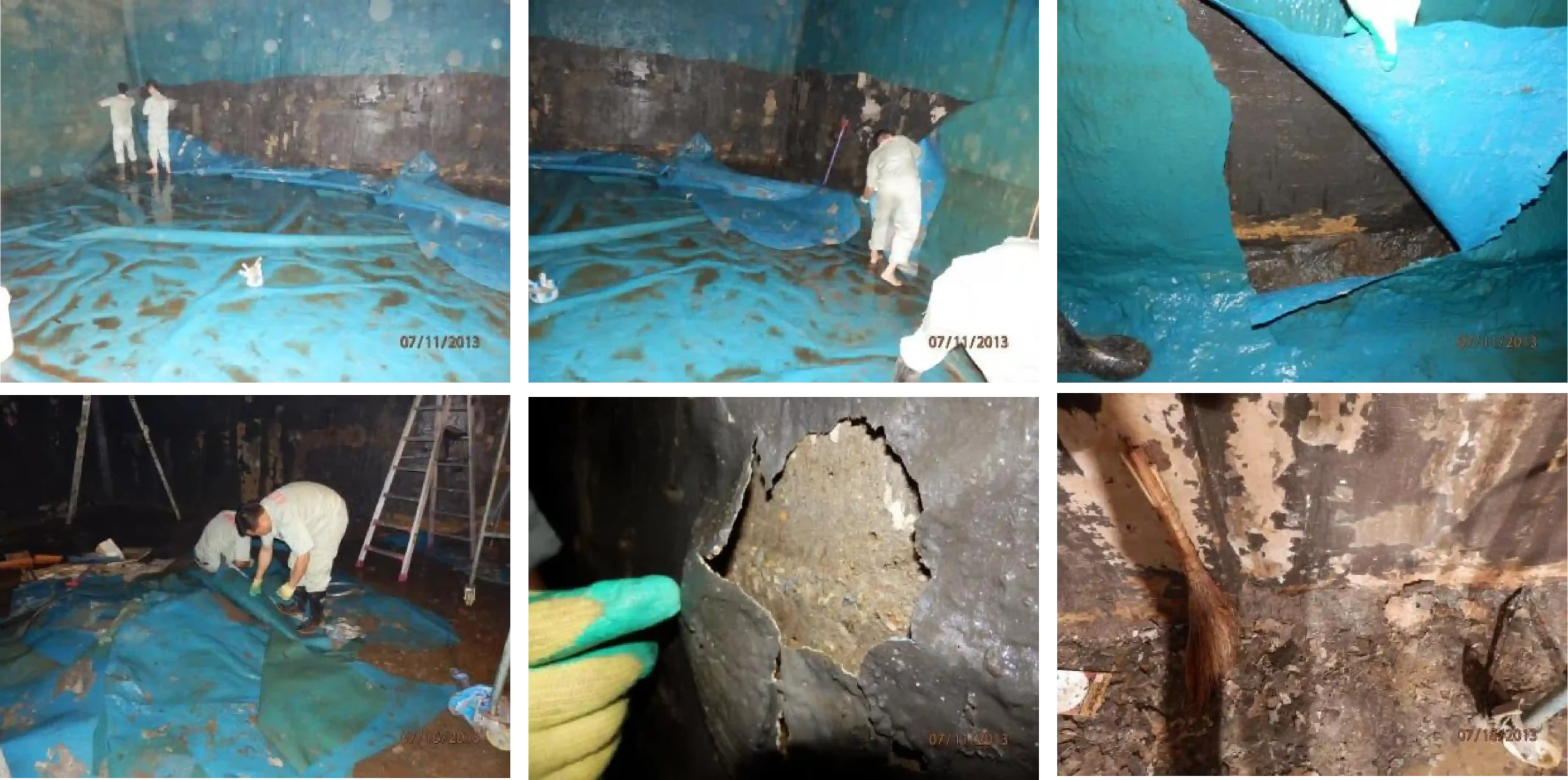
Case 2: Poor foundation condition, construction on the backside of the structure; materials and techniques were not mature.
Case 3: Poor foundation condition, construction on the backside of the water surface
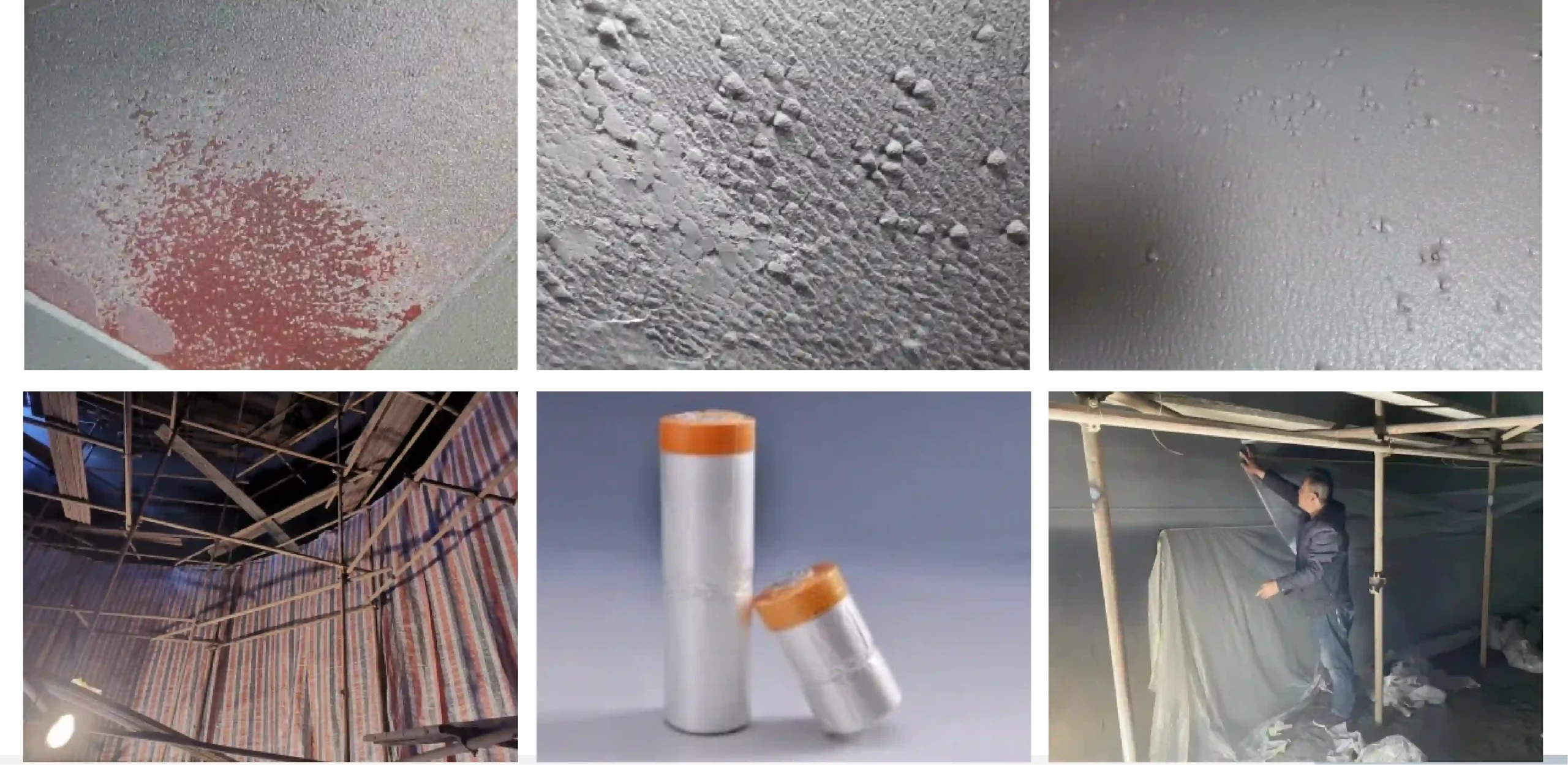
Case 4: Particulate Matter Pollution
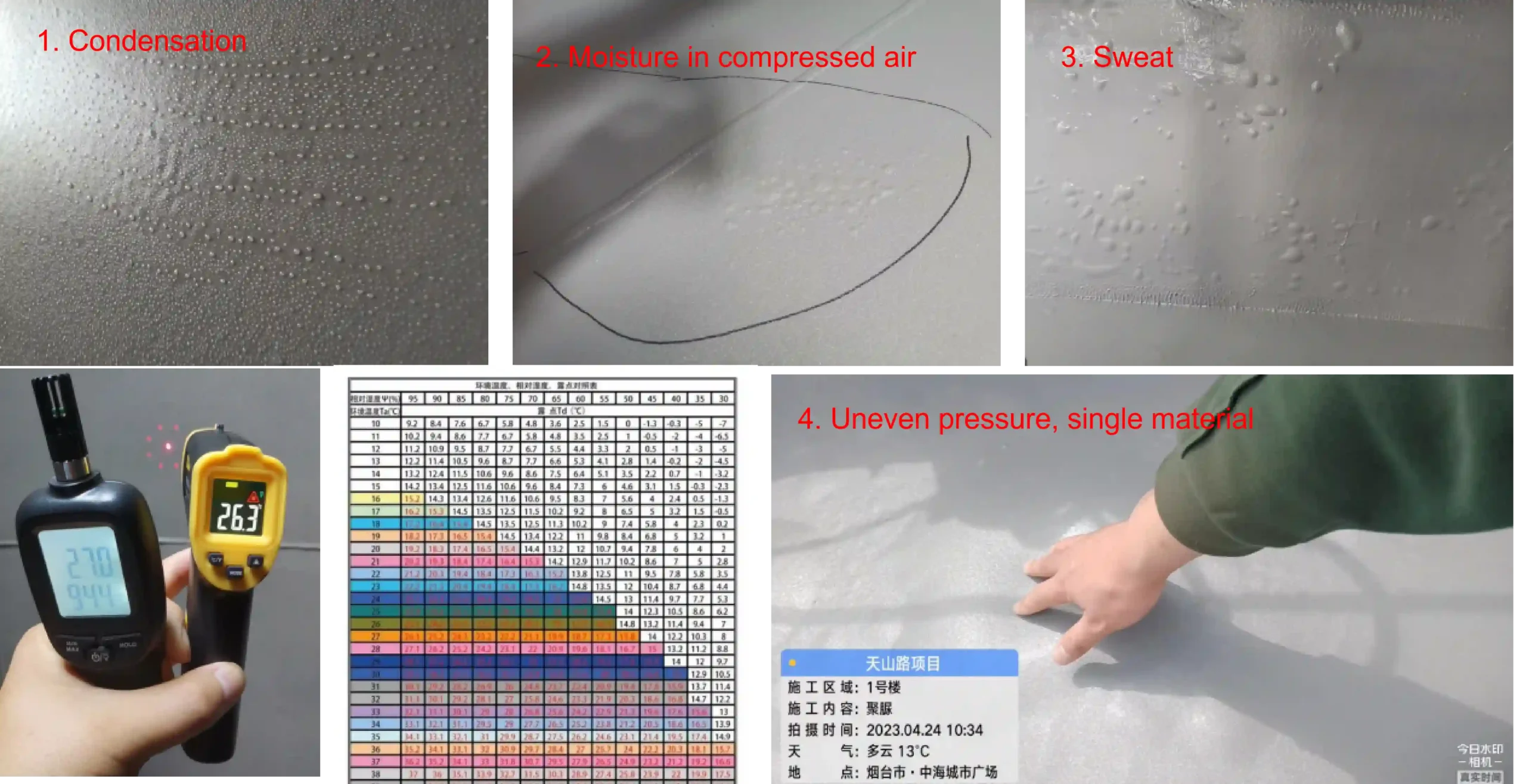
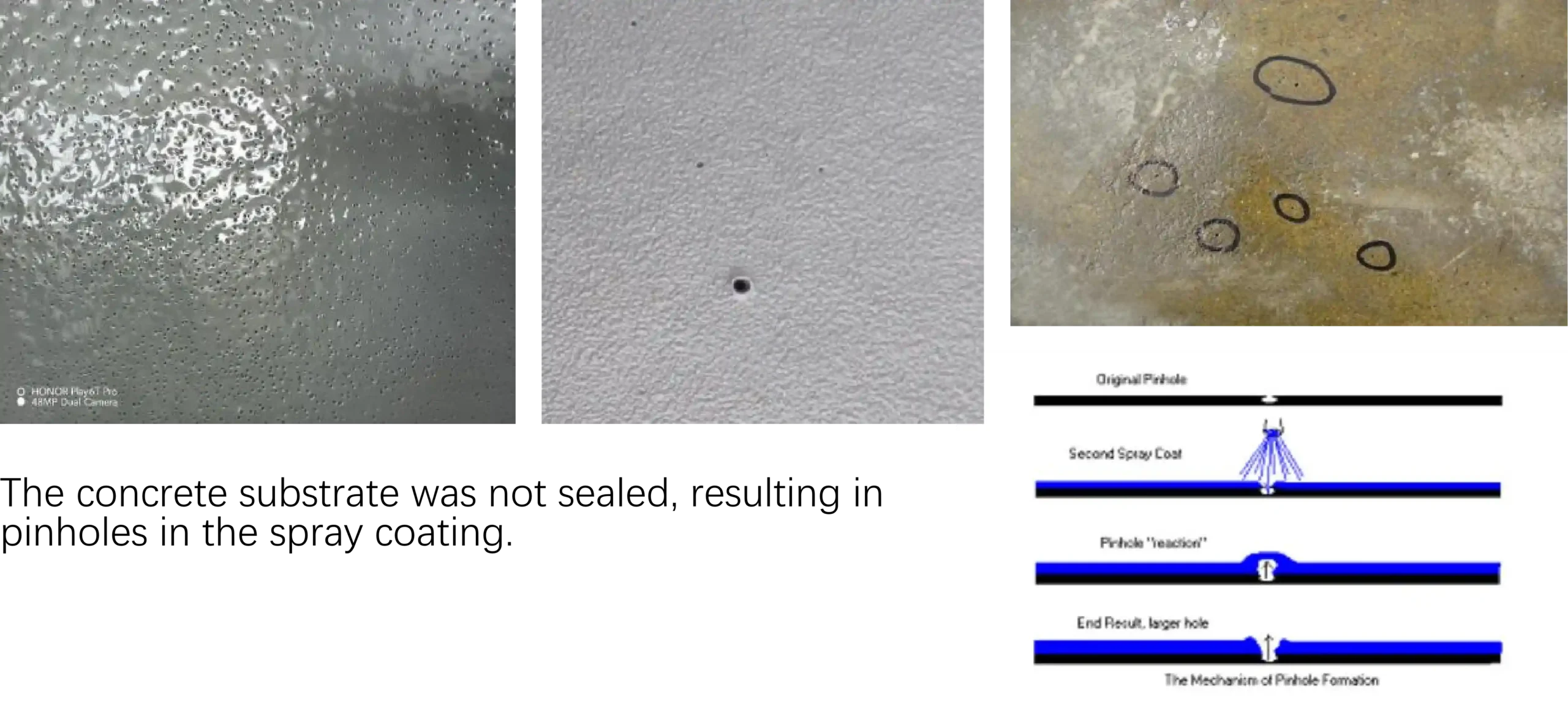
Case 5: Formation of Bulges
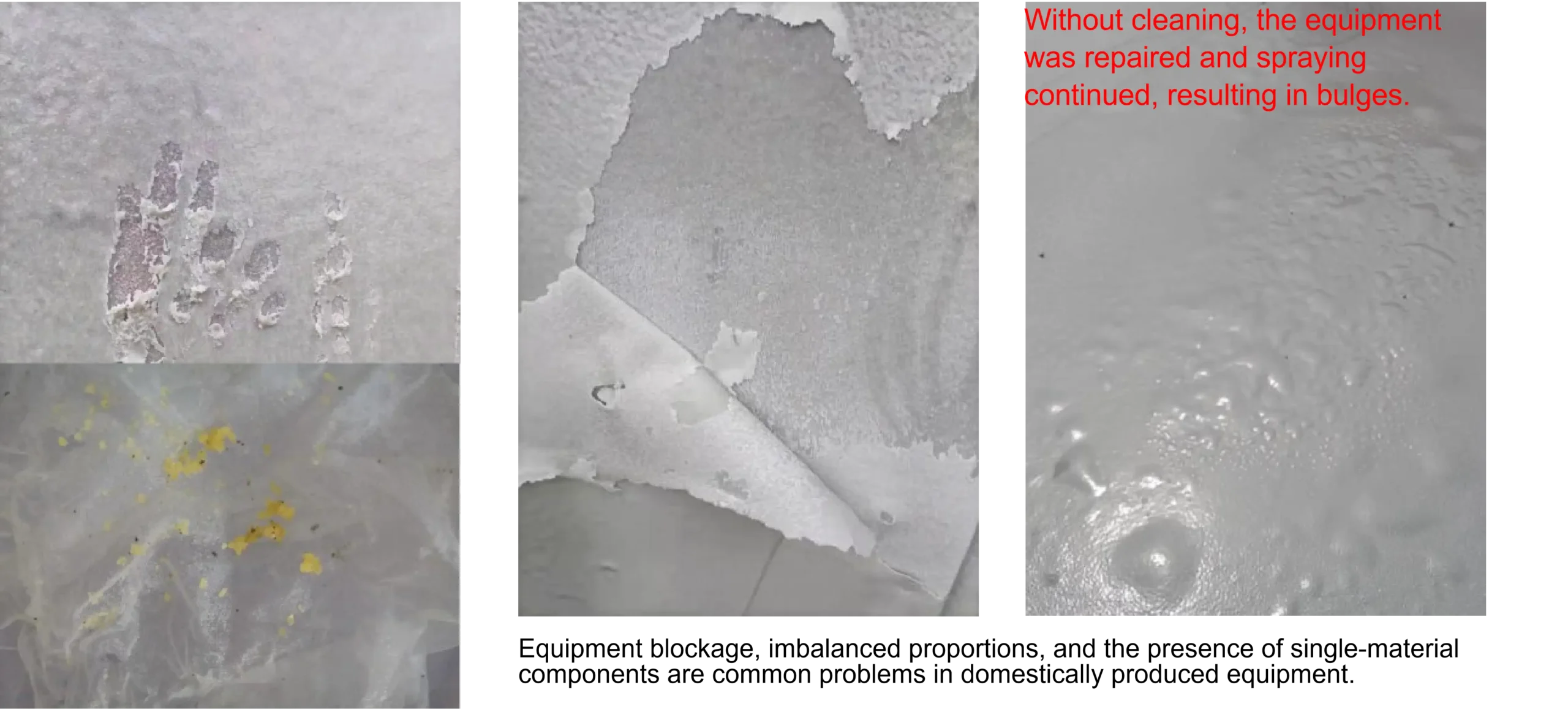
Case 6: Equipment bias pressure, influence of a single material
Case 7: The Impact of Inconsistent Material Mixing
Case 8: Formation of Pimple-like Lumps
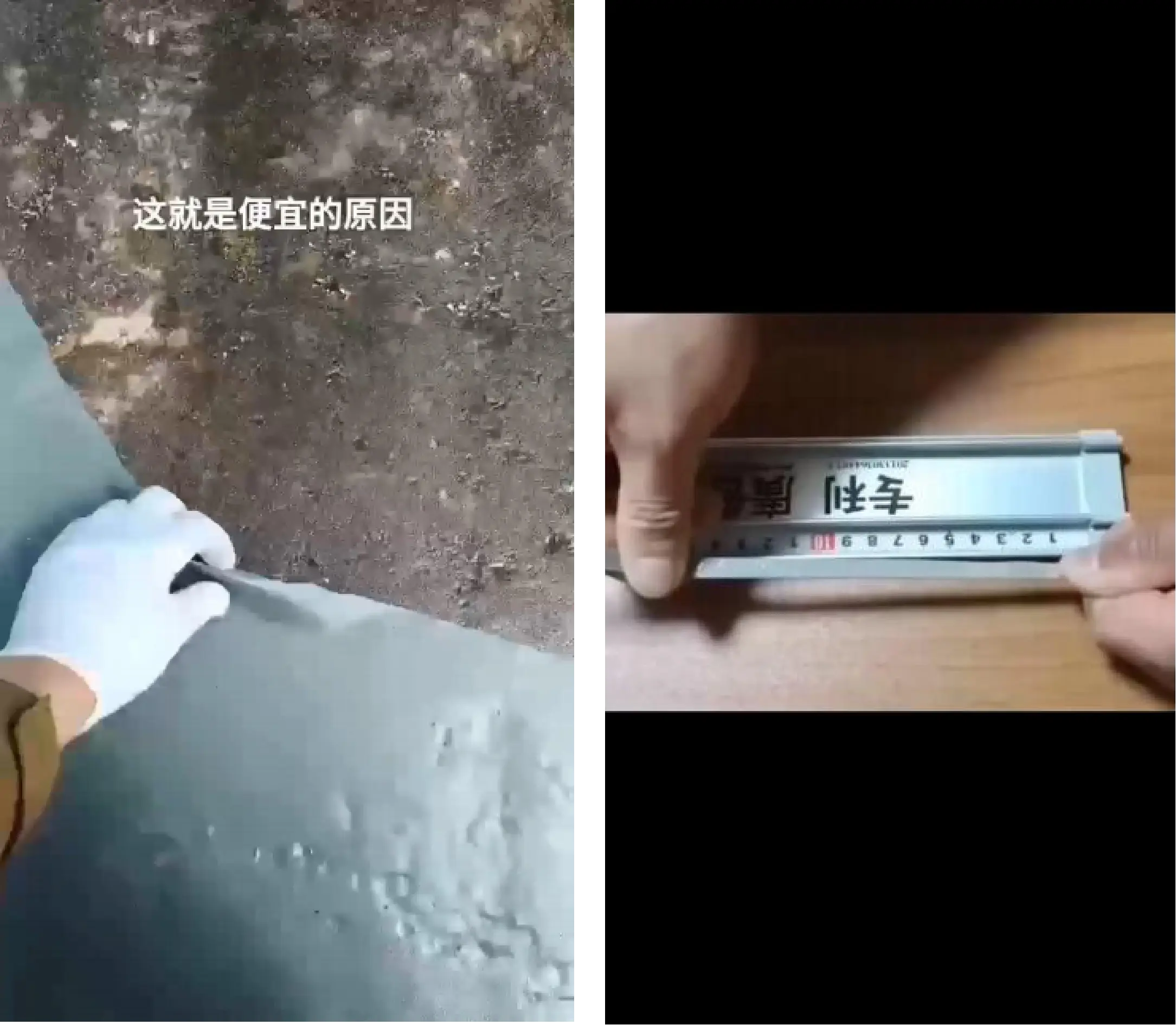
Case 9: Deception and Trickery
This is the reason why it is cheap.
Two-component Spray Polyurea Material System
07 Market quotation
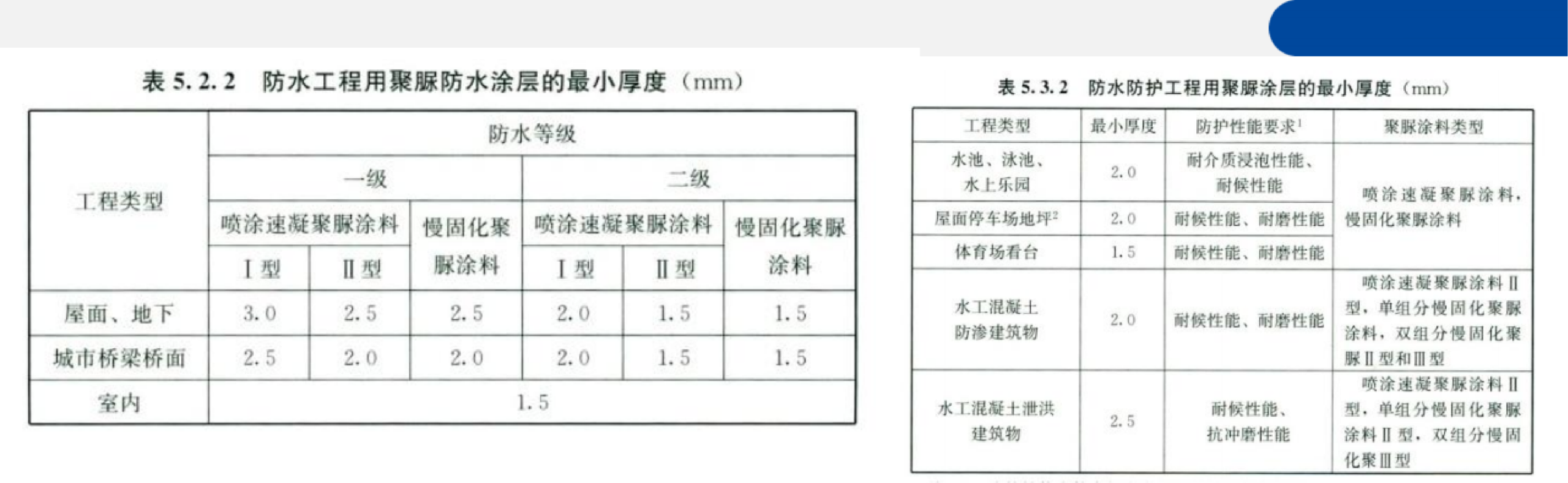
The thickness of polyurethane
Common thicknesses: 1.5mm, 2.0mm
Wear resistance thickness: 3 - 5mm
Two-component Spray Polyurea Material System
08 Closing Remarks
"Spraying polyurea" is never just referring to several materials or a few formulas; rather, it is an integrated application technology that combines materials, equipment, processes, and construction methods.
Discarding the aspects of equipment, process and construction and merely focusing on the polyurethane material is a manifestation of irresponsibility.
From April 27 to 29, 2025, the China Refrigeration Exhibition was held in Shanghai. The exhibition brought together nearly 1,200 companies from 32 countries and regions to discuss new opportunities in...
What is GMP?
GMP, in Chinese, means "production quality management specification" or "good operating specification" or "good manufacturing standard". GMP is a set of mandatory standards applicable to...
Customized coating system solutions
There are many kinds of equipment manufacturing, which have their own unique needs for anti-corrosion coating. We can customize the coating system for you to meet ...
System Solutions
The fishing boat coating market is a sub-segment of the marine coating industry. There are a large number of fishing boats in our country, mainly distributed in several concentrated ...
Infrastructure such as bridges, ports, docks, port machinery, conveyors, etc. are usually in a humid or harsh marine corrosion environment, and are subject to marine atmospheric corrosion, tidal splas...
System Solution
With the development of economy and the demand for energy, oil and gas consumption is increasing day by day,and the anti-corrosion of oil and gas facilities has become a top priority....
The power energy industry is the foundation of the national economy. Thermal power, wind power, hydropower, nuclear power, and power grids all have different corrosion characteristics and anti-corrosi...
Polyurea
Black technology in the coating industry
Spray Polyurea Elastomer (SPUA) technology is a new type of solvent-free, pollution-free green construction technology developed and developed in fo...
Waterborne polyurethane floor coating system
Performance characteristics
1. Fully water-based system, free of harmful substances, friendly to the environment;
2. Excellent adhesion and flexibility,...