
Safety Data Sheet for MT-030 High-Performance Polyurea Material (Component A & B)
Company Name: Wanhua Energysav Science&technology Group Co.,Ltd
Address: No. 127, Changjiang Road, YEDA, Yantai, Shandong Province, China
Contact person: Vivin Yi
Email: wanhuachemical@outlook.com
WhatsAPP: +86 17761309662
Tel: +86 17761309662
Wechat: yivonnie
Version: 2022.11.24
Data Review Unit: Qingdao Work Safety Supervision Bureau
Revision Note: Compiled and revised in accordance with the Specifications for the Compilation of Safety Data Sheets for Chemicals (GB16483-2000)
1. Chemical Product and Company Identification
| Item | Component A | Component B |
| Chinese Chemical Name | AMMT-030 High-Performance Polyurea Material (Component A) | AMMT-030 High-Performance Polyurea Material (Component B) |
| English Chemical Name | High Performance Polyurea Waterproof Material AMMT-030 Ⅱ (Part A) | High Performance Polyurea Waterproof Material AMMT-030 Ⅱ (Part B) |
| Main Use | Served as Component A for polyurethane and polyurea protective materials | Served as Component B for polyurethane and polyurea protective materials |
2. Composition/Information on Ingredients
| Item | Component A | Component B |
| Pure Substance/Mixture | Mixture | Mixture |
| Components, Content & CAS No. | Isocyanate Prepolymer, 100% content, no CAS No. | 1. Polyether Polyol (25322-69-4): 65~75% |
| 2. Titanium Dioxide (13463-67-7): 10~15% | ||
| 3. Chain Extender (68479-98-1): 20~30% | ||
| 4. Carbon Black (1333-86-4): 0.1~0.5% |
3. Hazards Identification
| Item | Component A | Component B |
| Routes of Exposure | Inhalation, ingestion, skin contact, etc. | Contact with the spraying mist of the product through eyes or skin |
| Health Hazards | 1. Inhalation of atomized mist may cause mild irritation to the respiratory tract | 1. Eyes: May cause mild discomfort |
| 2. Ingestion may irritate and burn the oral cavity and digestive tract | 2. Skin: Prolonged and repeated contact may cause skin irritation | |
| 3. Inhalation: May cause respiratory tract irritation | ||
| Environmental Hazards | No data available | No data available |
| Fire and Explosion Hazards | Combustible when exposed to open flame and high heat | Combustible when exposed to open flame and high heat, no explosibility |
4. First-Aid Measures
| Exposure Route | Component A | Component B |
| Skin Contact | Remove contaminated clothing, wipe off the adhering substance with cotton or dry cloth as soon as possible, then rinse the skin thoroughly with soapy water and plenty of running water, or clean with personal skin cleanser. Seek medical advice if skin irritation occurs. | Rinse the contaminated skin thoroughly with soapy water and clean water. |
| Eye Contact | Immediately lift the eyelid and rinse with plenty of running water or normal saline for at least 5 minutes. Seek medical attention for severe cases. | Immediately lift the eyelid and rinse with plenty of running water or normal saline for at least 5 minutes. Seek medical attention for severe cases. |
| Inhalation | Quickly remove the victim to a place with fresh air. Keep the respiratory tract unobstructed. | Quickly remove the victim to a place with fresh air. Keep the respiratory tract unobstructed. |
| Ingestion | Rinse the mouth with water for the victim who has taken the material by mistake, give milk or egg white to drink, and induce vomiting. Seek medical attention immediately. | Rinse the mouth with water for the victim who has taken the material by mistake, give milk or egg white to drink, and induce vomiting. Seek medical attention. |
5. Fire-Fighting Measures
| Item | Component A | Component B |
| Dangerous Properties | Combustible when exposed to open flame and high heat | Combustible when exposed to open flame and high heat, no explosibility |
| Hazardous Combustion Products | Carbon monoxide, carbon dioxide, etc. | Carbon monoxide, carbon dioxide |
| Fire-Fighting Methods and Extinguishing Agents | Firefighters must wear gas masks and full-body fire fighting suits. Extinguishing agents: dry powder, carbon dioxide. Do not use water, foam, acid and alkali extinguishing agents. | Use foam, dry powder, dry ice, etc. for fire fighting. |
6. Accidental Release Measures
| Item | Component A | Component B |
| Emergency Actions | It is recommended that emergency responders wear filter masks and protective clothing. Cut off the leak source as much as possible to prevent the material from entering restricted spaces such as sewers and flood ditches. | Cut off the leak source to prevent the material from entering restricted spaces such as sewers and flood ditches. |
| 1. Small spill: Absorb with sand or other non-combustible materials | 1. Small spill: Absorb with sand or other non-combustible materials; alternatively, rinse with plenty of water, absorb the diluted solution and discharge it into the wastewater system | |
| 2. Large spill: Cover with 10% household ammonia water, collect with special collectors, and recycle or transport to a waste disposal site for treatment. | 2. Large spill: Build dikes or dig pits for containment; collect with special collectors, and recycle or transport to a waste disposal site for treatment. |
7. Handling and Storage
| Item | Component A | Component B |
| Handling Precautions | Avoid contact with skin and eyes. No smoking or eating/drinking at the workplace. | Avoid contact with skin and eyes. No smoking or eating/drinking at the workplace. |
| Storage Precautions | Store in a cool and well-ventilated warehouse. Keep away from ignition sources and heat, and prevent direct sunlight. Keep the container sealed, and protect from moisture and rain. Store separately from oxidants, acids and food chemicals. | Store in a cool and dry place. Keep away from ignition sources and heat, and prevent direct sunlight. Storage temperature: -20℃ ~ 40℃. Keep sealed, shelf life is 6 months. Reseal after use to prevent moisture absorption. |
8. Exposure Controls/Personal Protection
| Protection Category | Component A | Component B |
| Engineering Controls | Maintain good ventilation in the workshop | Maintain good ventilation in the workshop |
| Respiratory Protection | Wear self-priming filter type gas mask (half mask) when exposed to vapor may occur. For emergency rescue or evacuation, it is recommended to wear oxygen respirator or air respirator. | Wear self-priming filter type gas mask (half mask) when exposed to vapor may occur. For emergency rescue or evacuation, it is recommended to wear oxygen respirator or air respirator. |
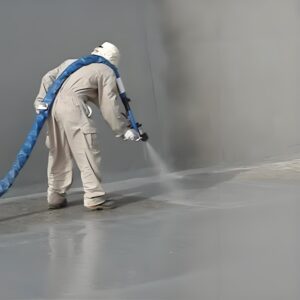
| Eye Protection | No special protection required; wear chemical safety goggles during spraying. | No special protection required; wear chemical safety goggles during spraying. |
| Body Protection | Wear general work protective clothing during spraying, one-piece protective clothing is recommended. | Wear general work protective clothing during spraying, one-piece protective clothing is recommended. |
| Hand Protection | Wear protective gloves | Wear protective gloves |
| Other Protection | No smoking, eating or drinking at the workplace | No smoking, eating or drinking at the workplace |
9. Physical and Chemical Properties
| Item | Component A | Component B |
| Appearance and State | Colorless to pale yellow transparent liquid | Liquid, color varies with pigments |
| pH Value | No data available | 7 |
| Melting Point (℃) | No data available | No data available |
| Relative Density (water=1) | 1.1±0.1 | 1.1±0.1 |
| Boiling Point (℃) | >200 | >200 |
| Octanol/Water Partition Coefficient | No data available | No data available |
| Flash Point (℃) | ≥200 | ≥200 |
| Ignition Temperature (℃) | >600 | No data available |
| Lower Explosion Limit (V/V%) | No data available | No data available |
| Upper Explosion Limit (V/V%) | No data available | No data available |
| Solubility | Easily soluble in ether and other organic solvents | Soluble in ethanol and ether |
| Other Main Properties | None | Solvent-free, non-polluting to the environment |
10. Stability and Reactivity
| Item | Component A | Component B |
| Stability | Stable at room temperature | Stable at room temperature |
| Polymerization Hazard | No polymerization | No polymerization |
| Incompatible Substances | Water, alcohols, amines, acids, strong alkalis, strong oxidants | No clear indication |
| Conditions to Avoid | Extreme temperatures, humid air and water | Hygroscopic, avoid contact with moisture |
| Decomposition Products | Combustion may produce decomposition products such as CO and CO₂ | No clear indication |
11. Toxicological Information
| Item | Component A | Component B |
| Acute Toxicity | Isocyanate Prepolymer: LD₅₀ >10000 mg/kg (oral, rat), >10000 mg/kg (dermal, rabbit) | No data available |
| LC50 | No data available | No data available |
| Irritation | Excessive contact with atomized mist may irritate eyes and respiratory tract; splashing into eyes may cause discomfort. | This product is a non-toxic chemical with almost no irritation. Splashing into eyes may cause discomfort. |
| Subacute and Chronic Toxicity | No data available | No data available |
| Sensitization | No data available | No data available |
| Mutagenicity | No data available | No data available |
| Teratogenicity | No data available | No data available |
| Carcinogenicity | No data available | No data available |
| Other Toxicological Effects | No data available | No data available |
12. Ecological Information
| Item | Component A | Component B |
| Ecotoxicity | No specific data available for this product | No specific data available for this product |
| Environmental Disposal Requirements | Do not discharge into sewers and drainage pipes in accordance with environmental protection laws, and do not discard in areas that may affect plant soil and groundwater. | Do not discharge into sewers and drainage pipes in accordance with environmental protection laws, and do not discard in areas that may affect plant soil and groundwater. |
13. Disposal Considerations
| Item | Component A | Component B |
| Waste Characteristic | No clear indication | No clear indication |
| Disposal Methods | Consult national and local relevant regulations before disposal. Store the waste collected in containers for at least 24 hours. Refer to “Storage and Transportation Precautions” for waste storage. Dispose by controlled incineration or safe landfilling. | Consult national and local relevant regulations before disposal. Refer to “Storage and Transportation Precautions” for waste storage. Dispose by controlled incineration. Remove nitrogen oxides from incinerator flue gas through a scrubber. |
| Disposal Precautions | Wastes and containers must be discarded in accordance with the general requirements of the National Solid Waste Pollution Control Law. | Wastes and containers must be discarded in accordance with the general requirements of the National Solid Waste Pollution Control Law. |
14. Transport Information
| Item | Component A | Component B |
| Hazardous Chemical Determination | Not a hazardous chemical in accordance with IMDG/IMO | Not a dangerous good in accordance with IMDG/IMO |
| Hazardous Goods Number | No data available | No data available |
| UN Number | No data available | No data available |
| Packing Markings | None | None |
| Packing Group | No clear indication | No clear indication |
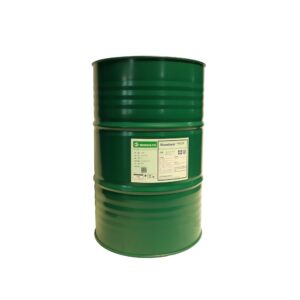
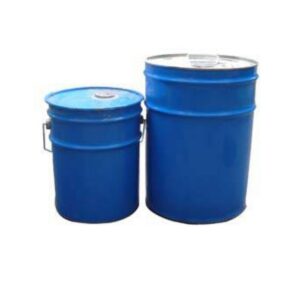
| Packing Method | 200L iron drum, sealed | 200L iron drum, sealed |
| Transport Precautions | Prevent direct sunlight and avoid contact with moisture. Store and transport away from strong acids, strong alkalis and strong oxidants. Handle with care during loading and unloading to prevent damage to packages and containers and avoid leakage. | Keep away from ignition sources and heat. Prevent direct sunlight and avoid contact with moisture. Keep containers sealed. Store and transport separately from oxidants, acids and food chemicals. Handle with care during loading and unloading to prevent damage to packages and containers. Pay attention to personal protection during repacking and handling operations. |
15. Regulatory Information
- Regulations on the Safety Administration of Hazardous Chemicals
- Implementing Rules for the Regulations on the Safety Administration of Hazardous Chemicals (Hua Lao Fa [1992] No. 677)
- Provisions on the Safe Use of Chemicals in the Workplace (Lao Bu Fa [1996] No. 423)
- Classification and Labeling of Common Hazardous Chemicals (GB13690-92)
- Law of the People’s Republic of China on the Prevention and Control of Solid Waste Pollution
- General Technical Requirements for Packaging of Dangerous Goods for Transport (GB12463-90)
16. Other Information
- Safety Data Book for Hazardous Chemicals, Chemical Industry Press, June 1997
- Chemical Safety Management in the Workplace, State Economic and Trade Commission Work Safety Administration, 2000
- New Handbook of Dangerous Goods Safety, Chemical Industry Press, 2001
- Provisions on the Registration and Filing of Hazardous Chemicals, State Economic and Trade Commission, October 1, 2000
| Weight | 25 kg |
|---|