Company Name: Wanhua Energysav Science & Technology Group Co., Ltd
Address: No. 127, Changjiang Road, Yantai Economic and Technological Development Area, Yantai City, Shandong Province, China
Contact Person: Vivin Yi
Email: wanhuachemical@outlook.com
WhatsApp: +86 17761309662
Tel: +86 17761309662
WeChat: yivonnie
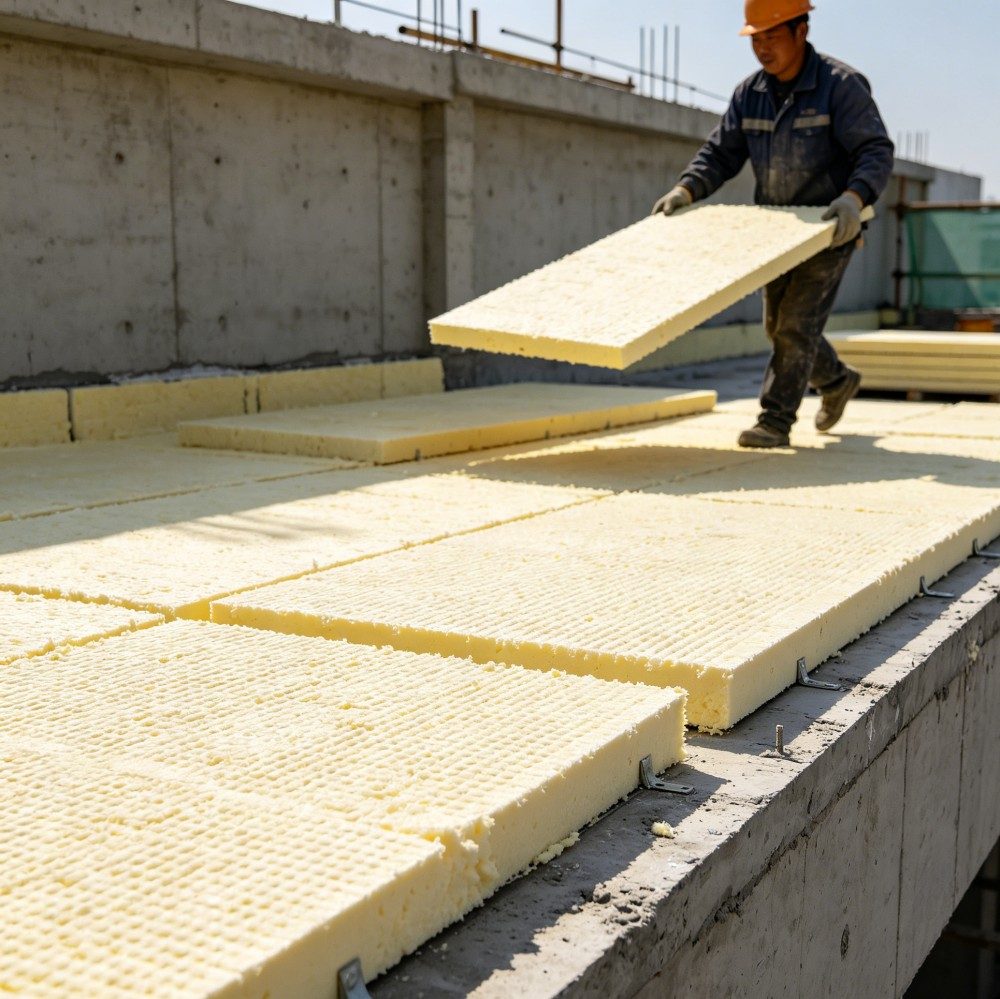
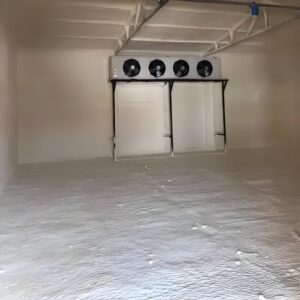
Recommended and Restricted Uses: Used for thermal insulation of building exterior walls and roofs.
2. Hazard Identification
Eye Contact: Slightly irritating to the eyes.
Skin Contact: Prolonged or repeated skin contact generally causes no injury, except for individuals with allergic constitution. Avoid contact with the composite if the skin has wounds such as scratches and abrasions. Contact with heated composite may cause skin burns.
Ingestion: Contains a small amount of amine catalysts; harmful if swallowed. Minor ingestion with proper first aid generally causes no adverse effects; large-dose ingestion is hazardous to health.
Inhalation: Inhalation of fluorocarbon vapor may affect the nervous system and induce rapid anesthetic effects. Massive inhalation may lead to accelerated heartbeat, cardiac rhythm disorder and impaired cardiac function.
Systemic Hazards: Excessive exposure to fluorocarbons may damage the central nervous system and trigger anesthetic symptoms.
3. Composition / Information on Ingredients
☐ Pure Product √ Mixture
Ingredient
Mass Fraction % (w/w)
CAS No.
Polyether / Polyester Polyol
45–65
9082-00-2 / 32472-85-8
Tris(1-chloroisopropyl) Phosphate
10–20
13674-84-5
1,1,1,3,3-Pentafluoropropane
5–25
460-73-1
Tertiary Amine Catalyst
1–5
Mixture
Other Additives
1–10
Mixture
4. First Aid Measures
Eye Contact: In case of contact, immediately remove residual composite and continuously flush eyes with plenty of running water; seek medical attention if discomfort persists.
Skin Contact: Take off contaminated clothing and footwear immediately; thoroughly wash the affected skin with soap and plenty of water. Seek medical treatment if adverse skin reactions occur.
Ingestion: Seek immediate medical assistance. Do not induce vomiting unless instructed by professional medical personnel.
Inhalation: Remove the victim to fresh air promptly; arrange medical treatment in severe cases.
5. Fire-Fighting Measures
Hazardous Combustion Products: Harmful gases will be released upon incomplete combustion at high temperature. Complete combustion generates carbon oxides, nitrogen oxides, water vapor, ammonia solution, hydrochloric acid and other substances. The product may support combustion under fire or explosion conditions.
Extinguishing Media: Carbon dioxide, dry chemical powder, foam. Do not use direct water jet, as it may spread the fire.
Fire Fighting Instructions: Evacuate on-site personnel, isolate the fire zone and stay in the upwind direction; prohibit entry of unauthorized personnel. Keep away from low-lying areas where harmful gases may accumulate. If no effective extinguishing agent is available and the fire spreads, large quantities of water can be sprayed indirectly (avoid direct jet). Carry out fire extinguishing from a safe location and distance; unmanned water monitors or sprinkler systems are recommended. Cool surrounding containers with water during firefighting and cool all threatened areas. Transfer exposed drums to a safe place if feasible.
Firefighter Personal Protection: Wear self-contained breathing apparatus (SCBA) and full fire-resistant protective clothing (including helmet, fire jacket, trousers, gloves and safety boots). Without complete protective equipment, stay at a safe distance away from the fire scene.
6. Accidental Release Measures
Prioritize personal safety protection. Isolate the spill area and equip all on-site operators with corresponding protective equipment.
7. Handling and Storage
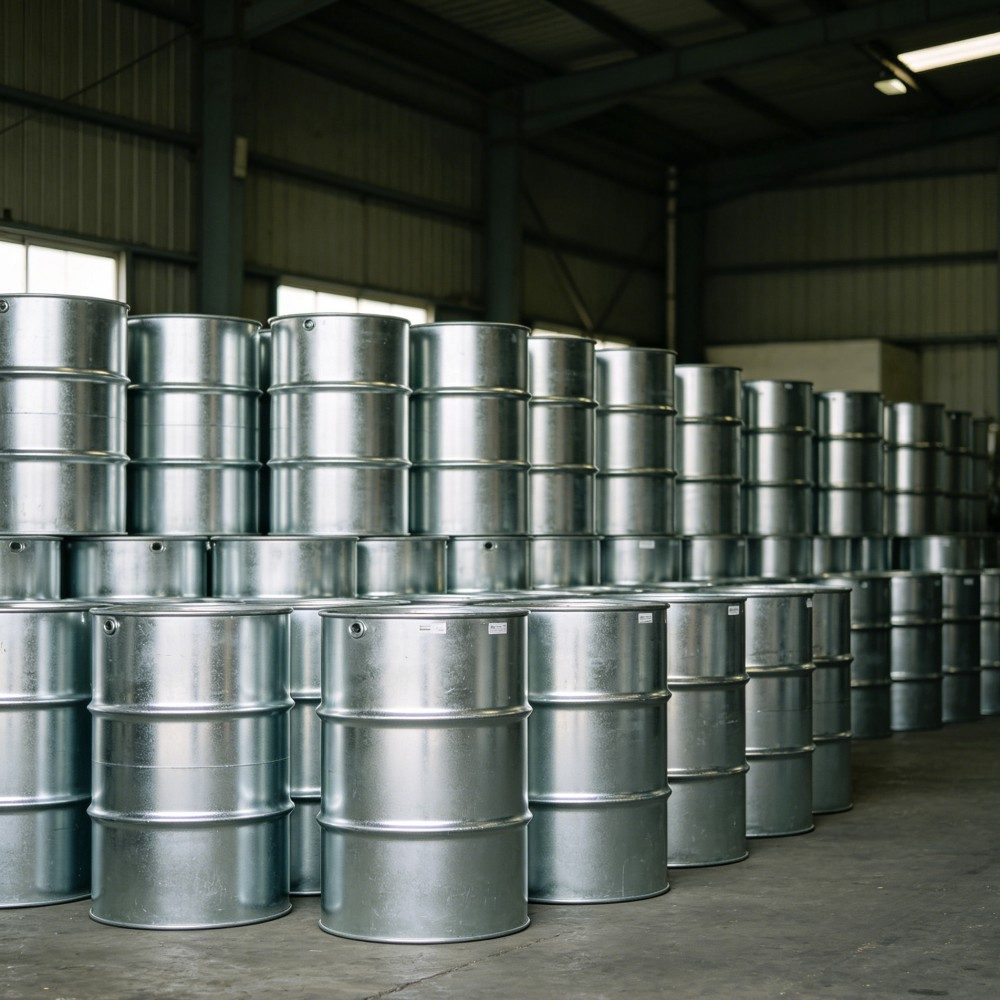
Handling Precautions: Polyols can react with isocyanates; strictly separate the two raw materials to avoid uncontrolled chemical reactions. Warning: The drums are pressurized; keep away from open flames. Do not puncture, strike or knock the sealed drums.
Storage Conditions: The product is hygroscopic; keep drums tightly sealed at all times. Store in a cool and well-ventilated warehouse at 5–35 °C, sealed away from direct sunlight. Avoid long-term storage at temperatures above 40 °C.
8. Exposure Controls / Personal Protection
Engineering Controls: Maintain adequate general and local ventilation in the workplace.
Eye and Face Protection: Wear chemical safety goggles; use full-face protective equipment (goggles combined with mask) if vapor causes eye irritation. Immediately flush eyes with clean water once contaminated.
Skin Protection: Wear impermeable protective gloves and long-sleeve work clothing. Wash hands thoroughly with soap before breaks, eating, drinking or smoking. Launder contaminated work clothes separately or dispose of them safely.
Respiratory Protection: Generally not required under normal operating conditions. Wear respiratory protective equipment in poorly ventilated spaces, high-temperature working environments or where aerosol mist is generated.
9. Physical and Chemical Properties
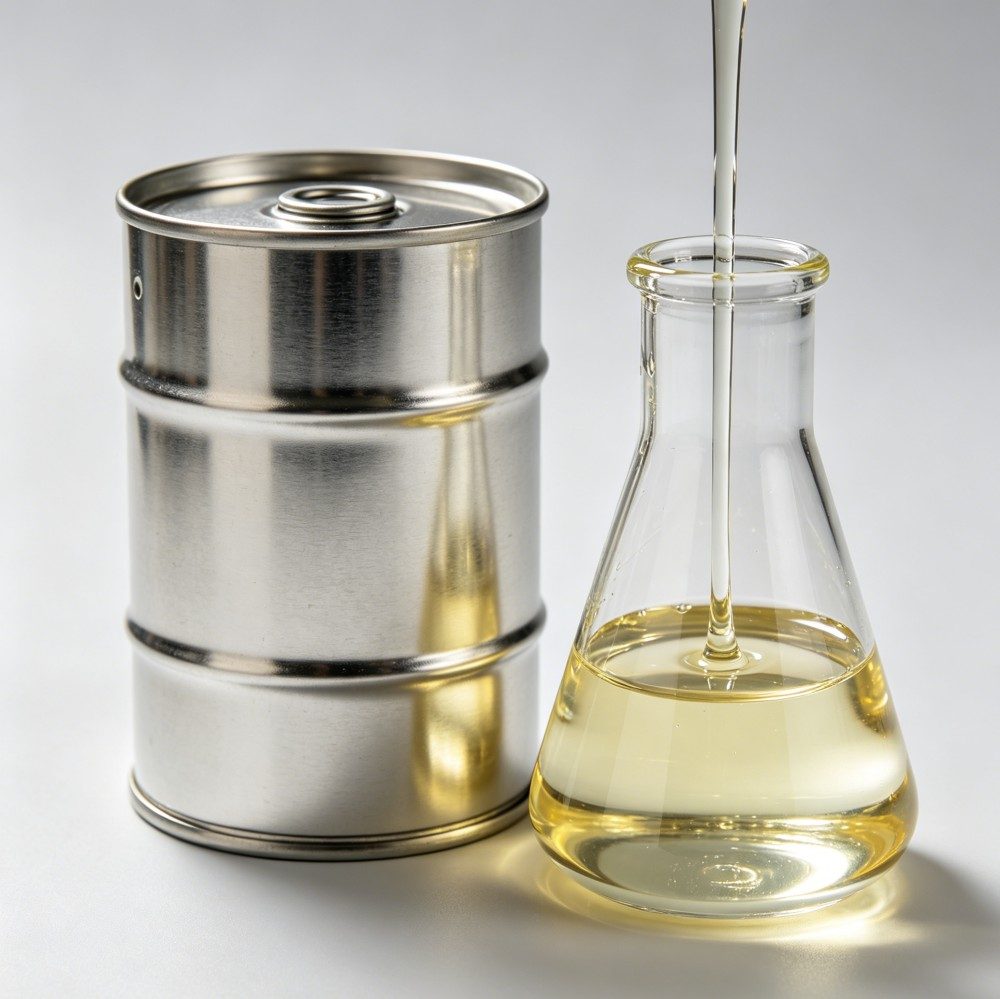
Appearance: Colorless or yellowish transparent liquid
Relative Density (water = 1): 1.1±0.1 (at 25 °C)
10. Stability and Reactivity
Chemical Stability: Stable under recommended storage and handling conditions.
Conditions to Avoid: Storage at temperatures higher than the recommended range will cause pressure buildup inside drums; avoid direct sunlight and open flames.
Hazardous Decomposition Products: No hazardous decomposition products will be generated under normal use and storage conditions.
Hazardous Polymerization: Hazardous polymerization will not occur.
11. Toxicological Information
No relevant toxicological test data available.
12. Ecological Information
Ecological Parameters: The physical blowing agent is pentafluoropropane, with ODP = 0, GWP = 950.
Biodegradation and Residue Characteristics: Polyols are not readily biodegradable under strict laboratory test conditions, but may undergo biodegradation under natural environmental conditions. Strictly prevent leakage and discharge into water bodies and soil.
13. Disposal Considerations
Do not discharge the waste into sewers, ground surface or natural water bodies. All waste disposal shall comply with national and local environmental laws and regulations.
14. Transport Information
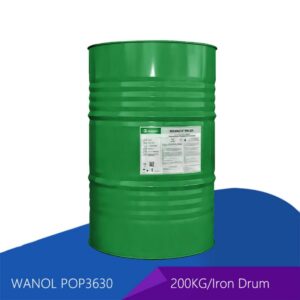
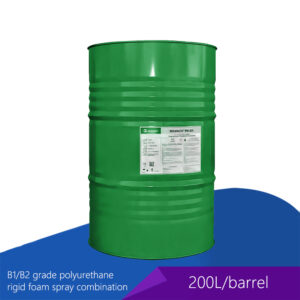
Packaging Type: Steel drum, net weight 200 kg per drum.
15. Regulatory Information
No relevant regulatory data available.
16. Other Information
Disclaimer: Wanhua Energysav Science & Technology (Yantai) Co., Ltd. has compiled all information in this Safety Data Sheet comprehensively and truthfully, but does not guarantee absolute completeness and accuracy of the content. This SDS is only intended for safety precaution reference by professionally trained personnel. Users shall independently evaluate and judge the applicability of this document under actual working conditions. The company shall not be held liable for any personal injury or loss caused by improper use of this SDS under special circumstances.
Explore More Solutions
The Largest MDI Manufacturer and Polyurethane Raw Material Supplier