

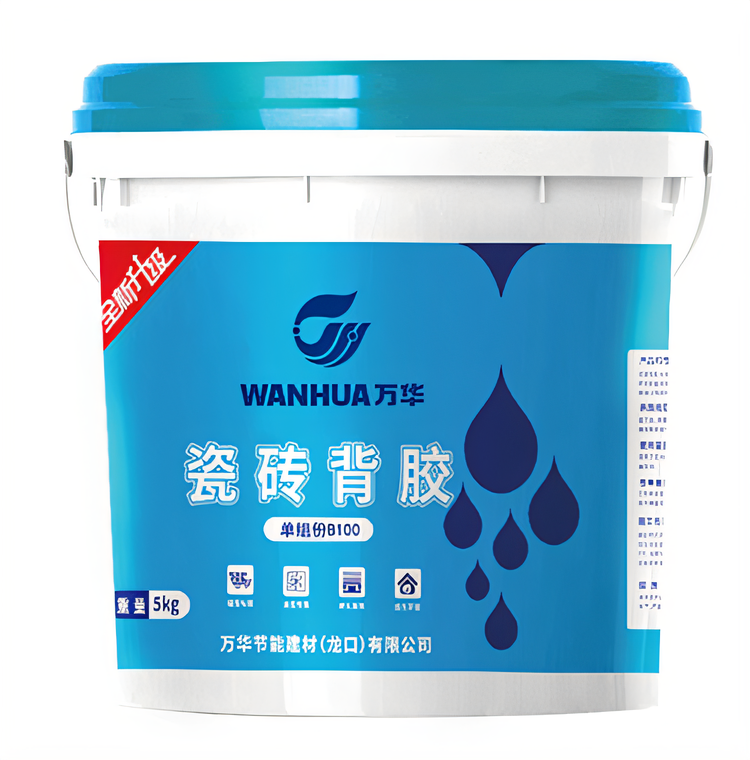
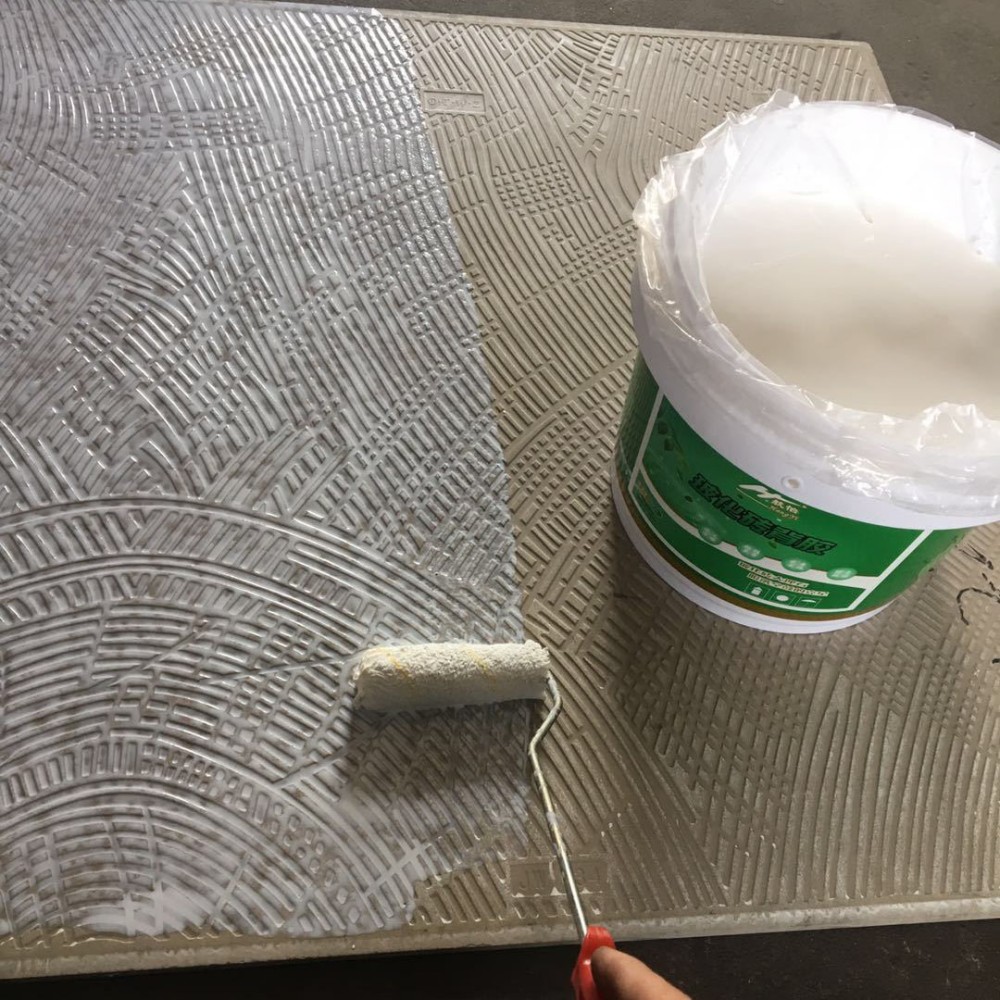
As a key material ensuring the bonding stability in tile installation, the quality and performance of tile back adhesives are directly related to the firmness and service life of tile 铺贴. Different levels of executive standards set clear boundaries for their quality. The following is a detailed analysis from three aspects: national standards, industry standards, and group standards, along with suggestions for standard selection.
1. National Standards
The national standard GB/T 25181-2019 "Ready-Mixed Mortar" is a basic standard in the field of tile back adhesives, mainly applicable to the regular indoor tile installation scenarios. Under this standard framework, clear regulations are made on the basic performance of tile back adhesives, providing a basic quality basis for tile installation in ordinary indoor environments.
However, this standard has obvious limitations. In terms of application scenarios, it is only limited to regular indoor environments and completely does not cover complex scenarios such as outdoor areas, underfloor heating areas, and humid bathrooms and kitchens. Tile installation in these complex scenarios has higher and more specific requirements for the performance of back adhesives, which this standard cannot meet. In terms of testing items, key indicators such as freeze-thaw cycles, thermal aging, and open time are not mentioned in the standard. Yet these indicators are important bases for measuring the long-term use stability of tile back adhesives in different environments. The lack of these testing items leaves major gaps in the standard when evaluating the comprehensive performance of back adhesives.
2. Industry Standards
JC/T 547-2017 "Ceramic Tile Adhesives" is widely regarded as the "top-tier standard" in the tile back adhesive industry due to its comprehensive and strict regulations. This standard accurately classifies three grades: C1, C2, and C2TE, based on the differences in tile size and installation environment, and each grade has clear application scopes and performance requirements.
- Grade C1: This grade is mainly applicable to tiles with a size of ≤800×800mm and can only be used in dry indoor environments. In ordinary indoor living spaces with dry conditions, such as bedrooms and living rooms (non-underfloor heating areas), using tile back adhesives that meet the Grade C1 standard can meet the basic bonding requirements for tile installation and ensure the stability of tiles in dry environments.
- Grade C2: Compared with Grade C1, Grade C2 has a wider application scope and higher performance requirements. It is applicable to slabs with a size of ≥1200×2400mm and can also be used in outdoor areas, underfloor heating areas, and humid environments. For example, tile installation on outdoor wall surfaces, tile installation on the ground of living rooms and bedrooms with underfloor heating indoors, and tile installation in humid areas such as bathrooms and kitchens, choosing back adhesives that meet the Grade C2 standard can effectively cope with the challenges brought by different complex environments and ensure the firm bonding of slabs and tiles.
- Grade C2TE: This grade further improves the requirements on the basis of Grade C2, additionally adding the regulation of "slip amount ≤0.5mm", which is specially used for vertical surface installation scenarios. For instance, tile installation on indoor wall surfaces, especially the installation of large-sized tiles or slabs on high walls. When installing on vertical surfaces, tiles are prone to slip due to gravity. Back adhesives that meet the Grade C2TE standard can minimize the slip phenomenon and ensure the flatness and firmness of tile installation on vertical surfaces.
In addition, this standard has strict requirements on a number of key indicators of tile back adhesives, among which indicators such as bonding strength, temperature resistance, and flexibility are particularly important. Specifically, the tensile bonding strength after water immersion, thermal aging, and freeze-thaw cycles must reach the standard of ≥0.5MPa. This strict requirement ensures that tile back adhesives can still maintain good bonding performance under the test of different harsh environments, greatly improving the durability of tile installation.
3. Group Standards
T/CBMF 87-2020 "Back Adhesives for Building Wall and Floor Tile Installation" was jointly formulated by the China Building Materials Association and more than 40 well-known enterprises in the industry. Before the introduction of this standard, the tile back adhesive industry had long lacked a unified special standard, resulting in uneven product quality in the market. The birth of this group standard has successfully filled this gap in the industry and played an important role in standardizing the market order and improving the overall product quality.
This standard makes clear and strict regulations on the core indicators of tile back adhesives, mainly including the following aspects:
- Low-temperature stability: For emulsion-type tile back adhesives, they are required to undergo three cycles of testing at -5℃~35℃, and the product must not deteriorate after the test. This requirement ensures that emulsion-type back adhesives can still maintain stable performance in cold areas with low temperatures or environments with large temperature fluctuations, without affecting the bonding effect due to temperature changes.
- Environmental protection: In terms of environmental protection indicators, the standard stipulates that the content of total volatile organic compounds (VOC) is ≤100g/L, which is 50% stricter than the national standard in terms of environmental protection requirements. This strict environmental protection standard makes tile back adhesives that meet the standard safer and more environmentally friendly, especially suitable for sensitive scenarios with high requirements for environmental quality such as children's rooms, hospitals, and schools, and can effectively reduce the potential harm of volatile organic compounds to human health.
- Bonding strength: Similar to the industry standard, this group standard also puts forward strict requirements on bonding strength, clearly stipulating that the tensile bonding strength after water immersion, thermal aging, and freeze-thaw cycles must be ≥0.5MPa, ensuring the bonding reliability of tile back adhesives in various complex environments.
4. Standard Comparison and Selection
Through the analysis of the above three types of standards, the differences and applicable scenarios between them can be clearly seen, so that consumers and constructors can make reasonable choices according to actual needs.
From the perspective of standard positioning, national standards are the basic threshold of the tile back adhesive industry. They set the minimum quality requirements for products, ensuring the quality bottom line of basic products on the market. However, due to the limitations of single application scenarios and incomplete testing items, they are only applicable to the installation of small-sized tiles in regular dry indoor environments and cannot meet the needs of complex scenarios and high-quality installation.
As the "top-tier standard" in the industry, industry standards far exceed national standards in terms of application scope and performance requirements. They not only cover the installation needs of large-sized tiles and slabs but also can cope with complex environments such as outdoor areas, underfloor heating, and humid conditions. Therefore, they have become the "access threshold" for various engineering projects. When conducting engineering project construction, such as tile installation on the external walls of large commercial buildings and tile installation on the underfloor heating ground of residential communities, choosing products that meet industry standards is the key to ensuring project quality.
Group standards mainly fill the gaps in the industry in terms of special standards and environmental protection requirements, and their high requirements for environmental protection are a prominent feature, so they are more suitable for environmentally sensitive scenarios. For tile installation in places such as children's rooms, hospitals, and nursing homes that have extremely high environmental protection requirements, choosing tile back adhesives that meet the T/CBMF 87-2020 standard and have a low VOC content can create a healthier and safer living and activity environment for people.
In the actual selection of tile back adhesives, consumers and constructors should comprehensively consider various factors. First, they should clarify the size of the tiles, as there are significant differences in the performance requirements of back adhesives for small-sized tiles and large-sized slabs. Second, they should fully understand the installation environment, whether it is a dry indoor environment, a humid environment, an outdoor area, or an underfloor heating area. At the same time, specific construction conditions should also be taken into account. For example, if large-sized slabs need to be installed, or the installation environment is an outdoor area, an underfloor heating area, or a humid environment, priority should be given to products that meet the JC/T 547-2017 Grade C2 or C2TE standard. If the installation site is a sensitive scenario with extremely high environmental protection requirements such as a children's room or a hospital, priority should be given to tile back adhesives that meet the T/CBMF 87-2020 standard and have a low VOC content to ensure the quality of tile installation and the safety of use.