

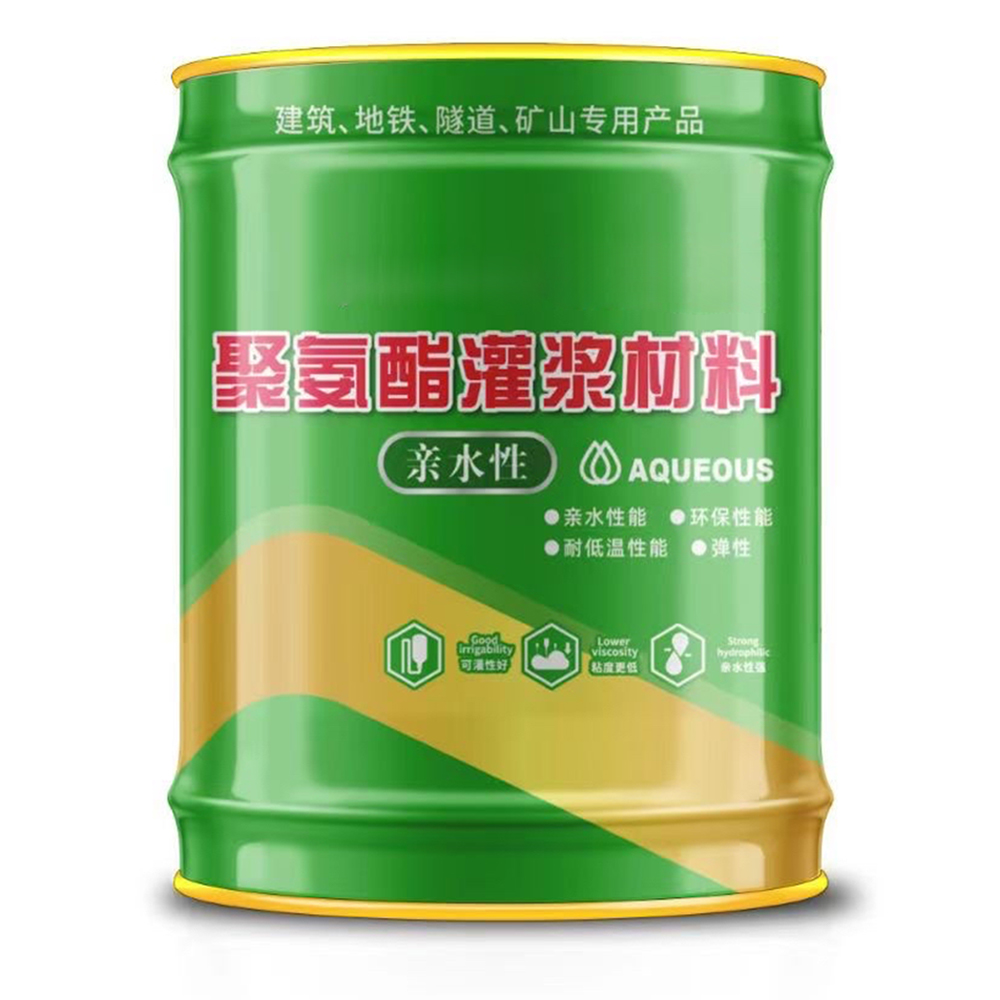

As a high-performance material commonly used in engineering construction, grout's construction quality directly affects the stability and durability of structures. Cracks are a common quality problem after grout construction, which not only reduce the material's bearing capacity and impermeability but also may cause potential structural safety hazards. Therefore, in engineering practice in Yantai, scientifically formulating crack prevention measures and conducting proper early curing are crucial to ensuring the construction quality of grout. The specific implementation methods and technical key points are detailed below.
I. Core Crack Prevention Measures
Crack prevention work should run through the entire process of grout mixing and pouring, reducing crack risks through multiple dimensions such as optimizing material performance and controlling the construction environment.
(1) Optimize Material Ratio to Reduce Shrinkage Stress
- Improving aggregate gradation is a key measure. Prioritize the use of continuously graded crushed stone and sand to reduce aggregate void ratio, decrease the amount of cement paste, and thereby inhibit drying shrinkage.
- Adopt a dry-hard grout mix ratio, strictly control the water-cement ratio within a reasonable range (usually 0.35-0.45), and reduce shrinkage cracks caused by the evaporation of free water.
- Reasonably add mineral admixtures such as fly ash and slag powder to replace part of the cement, reduce the peak hydration heat, and improve the compactness and crack resistance of the grout.
- Appropriately add air-entraining agents or high-efficiency plasticizers. Air-entraining agents can introduce tiny closed bubbles to relieve temperature stress and drying shrinkage; plasticizers can improve fluidity without increasing water consumption, avoiding cracks caused by insufficient vibration.
(2) Control Pouring Temperature to Reduce Temperature Stress
- Before pouring, cooling can be achieved in two ways: adding an appropriate amount of cold water during mixing, or spraying and cooling aggregates such as crushed stone to ensure the grout's discharge temperature is controlled below 30℃.
- When constructing in high-temperature periods in Yantai, reduce the single pouring thickness. The thickness of each layer should not exceed 30cm, using natural heat dissipation from the pouring surface to avoid internal heat accumulation and excessive temperature difference between inside and outside.
- For mass grout construction, pre-embed cooling water pipes inside the material. After pouring, continuously pass cold water for cyclic cooling, controlling the temperature difference between inside and outside within 25℃ to prevent cracks caused by temperature stress.
II. Key Points of Early Curing Technology
The core goal of early curing is to maintain a suitable temperature and humidity environment for the grout, promote sufficient hydration of cement, inhibit harmful shrinkage, and improve the material's crack resistance and strength development.
(1) Temperature and Humidity Control Standards
- During curing, strictly control the temperature difference between inside and outside the grout and the surface temperature gradient to avoid thermal stress caused by drastic temperature changes. Take heat preservation measures when the ambient temperature is low; use shading and spraying to cool down during high temperatures.
- Ensure the minimum temperature during construction is not lower than the stable temperature during the grout's service period. In Yantai, prevent the impact of low night temperatures during spring and autumn; take anti-freezing measures during winter construction to avoid frost heave cracks caused by freezing of the grout.
- For the joint between new and old grout, preheat the surface of the old grout (temperature not lower than 5℃) to reduce the temperature difference and constraint stress between new and old materials, preventing cracks at the joint surface.
(2) Curing Methods and Cycle
- Moisture conservation is crucial. Use geotextiles, sacks, or spray special curing agents to keep the grout surface moist, avoiding dry shrinkage cracks caused by rapid water evaporation. The ambient humidity during curing should be maintained above 80%.
- Heat preservation curing should be carried out simultaneously with moisture conservation. Cover the moisture layer with thermal insulation materials such as plastic film and quilts. Especially in seasons with large day and night temperature differences in Yantai, it can effectively slow down the surface temperature drop rate and balance the internal and external temperatures.
- The curing cycle should be adjusted according to the grout strength grade: the curing time for ordinary strength grout is not less than 7 days; for high-strength grout (strength grade ≥ C60) or grout mixed with mineral admixtures, the curing cycle should be extended to more than 14 days to ensure sufficient cement hydration and form a stable structural system.
(3) Curing Precautions
- During curing, prohibit stacking heavy objects on the grout surface or conducting subsequent construction to avoid mechanical damage to the incompletely hardened material.
- In windy weather in Yantai, strengthen the firmness of surface coverage to prevent rapid evaporation of surface moisture caused by wind, and avoid adhesion between the covering material and the grout surface.
- Regularly monitor the surface temperature and humidity of the grout, and adjust curing measures in a timely manner according to environmental changes to ensure the temperature and humidity are always within the appropriate range.
Implementing scientific crack prevention measures and proper early curing is a key link in ensuring structural quality in engineering construction in Yantai. By optimizing the material ratio, strictly controlling the construction temperature, and standardizing early curing, the incidence of cracks can be effectively reduced, and the service life of the engineering structure can be prolonged. Engineering and technical personnel should flexibly apply the above technical methods in combination with the climate characteristics and engineering reality of Yantai to continuously improve the construction quality of grout.