


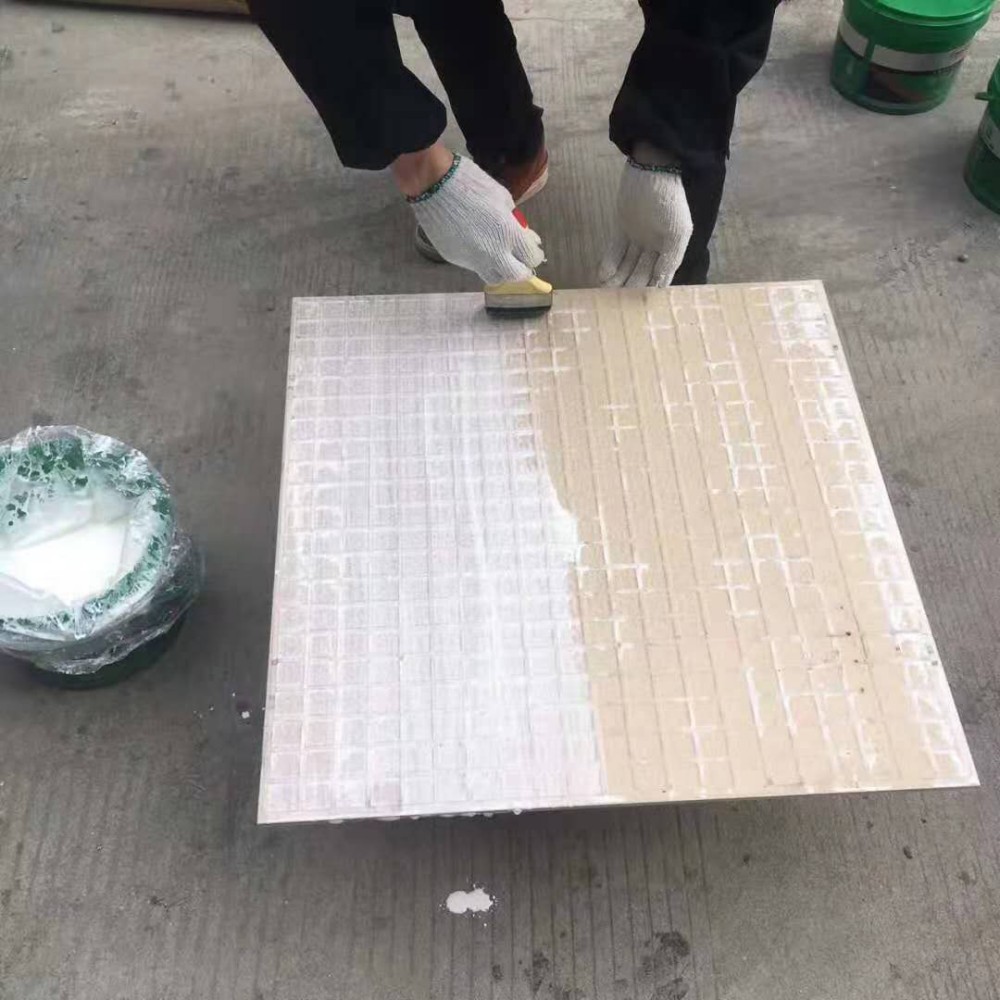
In the field of architectural decoration, the quality of wall treatment is directly related to the stability, aesthetics, and service life of the overall project. The wall surface using Shandong tile adhesive polymer has become one of the most popular wall treatment solutions nowadays due to its unique material properties and construction advantages. Among them, polymer finishing anti-crack mortar, as a core component, undertakes the key role of overall thin plastering and leveling for the wall base. It can accurately fill small defects on the base wall surface to achieve a higher level of flatness. More importantly, when used together with tile adhesive, it can fundamentally prevent common quality hazards such as chalking, hollowing, falling off, and cracking of the wall during long-term use, thus laying a solid foundation for the overall quality of the architectural decoration system project.
Tile adhesive itself has excellent product performance. Its outstanding bonding strength ensures that tiles are closely attached to the wall base, and they are not easy to fall off after long-term use. The excellent anti-cracking property can effectively resist the stress generated by the wall due to temperature changes, humidity fluctuations, or slight structural settlement, reducing the occurrence of cracks. The anti-aging performance enables it to maintain stable performance even under long-term sun exposure, rain, and environmental erosion, extending the service life of the wall. The freeze-thaw resistance allows it to avoid structural damage caused by freeze-thaw cycles in cold areas or environments with large temperature differences. The acid and alkali resistance makes it suitable for spaces such as kitchens and bathrooms that are prone to contact with corrosive substances. It is precisely these prominent technical properties that make tile adhesive occupy an important position in architectural decoration, directly affecting the final quality and user experience of the project. Below, we will analyze in detail the core characteristics of using tile adhesive polymer wall surfaces:
1. Excellent Stability and Anti-Cracking Performance to Ensure Long-Term Integrity of the Wall
Whether applied to interior or exterior walls, the wall surface using tile adhesive polymer has clear and scientific standards for performance control. The strength of the polymer finishing anti-crack mortar is not as high as possible, but needs to maintain a "moderate" state (however, its strength must be higher than that of exterior wall putty to ensure the supporting force of the base and prevent the subsequent construction layer from falling off). At the same time, it must have high stability, low shrinkage, strong anti-cracking property, and high adhesion. This is because excessively high strength may lead to excessive rigidity of the mortar, losing the ability to buffer the wall stress, and instead, cracks are likely to occur due to stress concentration. On the other hand, insufficient strength cannot meet the load-bearing requirements of the base, easily causing hollowing and falling off.
Tile adhesive plays a key role in improving the stability and anti-cracking performance of the wall. The network-like gel structure formed inside it has strong structural force, which can effectively control the shrinkage range of the mortar during the drying process and reduce dry shrinkage deformation. At the same time, this gel structure can also act like a "buffer pad" to release the rigid stress generated by the mortar due to environmental changes, avoiding stress accumulation leading to cracks. With the effect of tile adhesive, the polymer finishing anti-crack mortar can not only quickly form a stable structure after construction but also continuously promote the growth of its own strength and stability during long-term use. This ensures that the wall always remains in good condition, effectively resisting damage caused by external environmental factors and reducing maintenance costs and frequency.
2. Rational Use of the Flexibility of the Adhesive to Avoid Wall Loosening and Chalking
During the wall treatment process, if the performance of the polymer finishing anti-crack mortar is not properly controlled, partial cracking or even large-area cracking of the wall is likely to occur. Some people mistakenly believe that this is caused by the "excessive rigidity" of the mortar, and then blindly pursue the flexibility of the mortar, hoping to solve the cracking problem by increasing flexibility through the method of "layer-by-layer mutation". However, this cognition and approach have obvious misunderstandings. In fact, if the flexibility of the mortar is improved simply by increasing the amount of chemical latex materials, it will instead cause more serious quality problems. Although a large amount of chemical latex can improve the flexibility of the mortar in the short term, the latex itself has poor anti-aging and alkali resistance. During long-term use, affected by factors such as light, humidity, and the penetration of alkaline substances in the wall, the latex will gradually age and decompose, leading to loose mortar structure and eventually serious loosening and chalking. This not only affects the appearance of the wall but also damages the base structure, laying hidden dangers of falling off for the subsequent decoration layer.
The flexibility of tile adhesive is essentially different from the flexibility achieved simply by relying on chemical latex. The flexibility of tile adhesive is formed based on its own material properties and scientific formula. While having moderate flexibility to buffer wall stress, it does not sacrifice the structural stability and durability of the mortar. It can ensure that the mortar has a certain degree of flexibility to resist stress, and at the same time, relying on its excellent anti-aging and alkali resistance, it can prevent the mortar from loosening and chalking due to the improvement of flexibility. Therefore, using the flexibility of tile adhesive to solve the anti-cracking problem of mortar is a proven reliable and feasible solution. It can not only effectively reduce the occurrence of cracks but also ensure that the wall maintains a compact and stable state for a long time, avoiding potential quality hazards in the later stage.
To sum up, when selecting products related to tile adhesive polymer wall surfaces, in addition to focusing on product performance, it is also necessary to make a comprehensive choice based on the latest reference price of tile adhesive to achieve reasonable cost control under the premise of ensuring quality. If high-quality and high-performance tile adhesive is scientifically used in combination with high-quality cement, standard-compliant quartz sand, or washed river sand and other raw materials, it can further improve the adhesion capacity of the polymer finishing anti-crack mortar—ensuring that various material layers are closely combined to reduce inter-layer hollowing; enhance overall stability—making the wall structure stronger and more resistant to external damage; optimize construction performance—making the mortar easier to mix and apply, improving construction efficiency and quality. Finally, it can ensure that the polymer finishing anti-crack mortar has the "same service life" as the building. During the entire service life of the building, there will be no chalking, hollowing, cracking, falling off, or other problems, providing a strong guarantee for the long-term stability of the architectural decoration project. The above is professional knowledge shared by Shandong tile adhesive manufacturers based on practical experience. If you want to learn more about the technical details of tile adhesive products and wall treatment, you are welcome to pay more attention to our website to obtain the latest industry trends and technical guidance.