

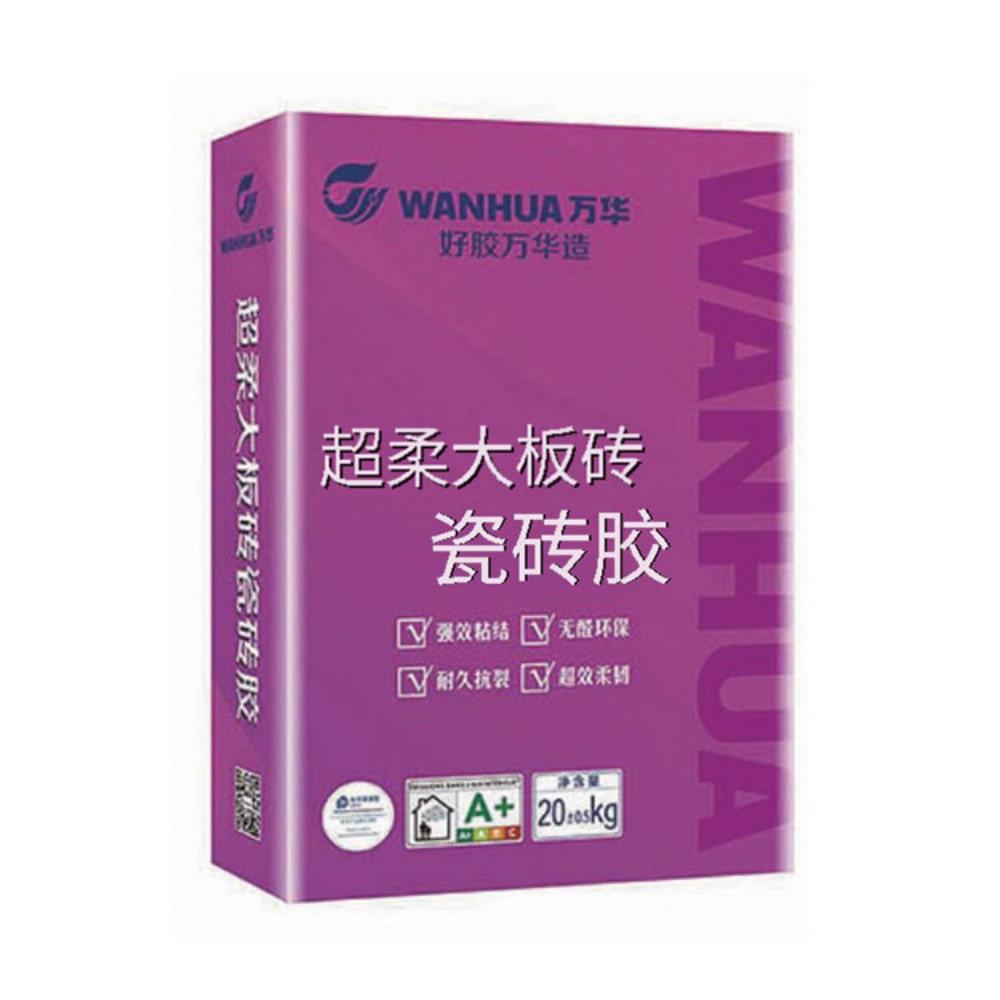
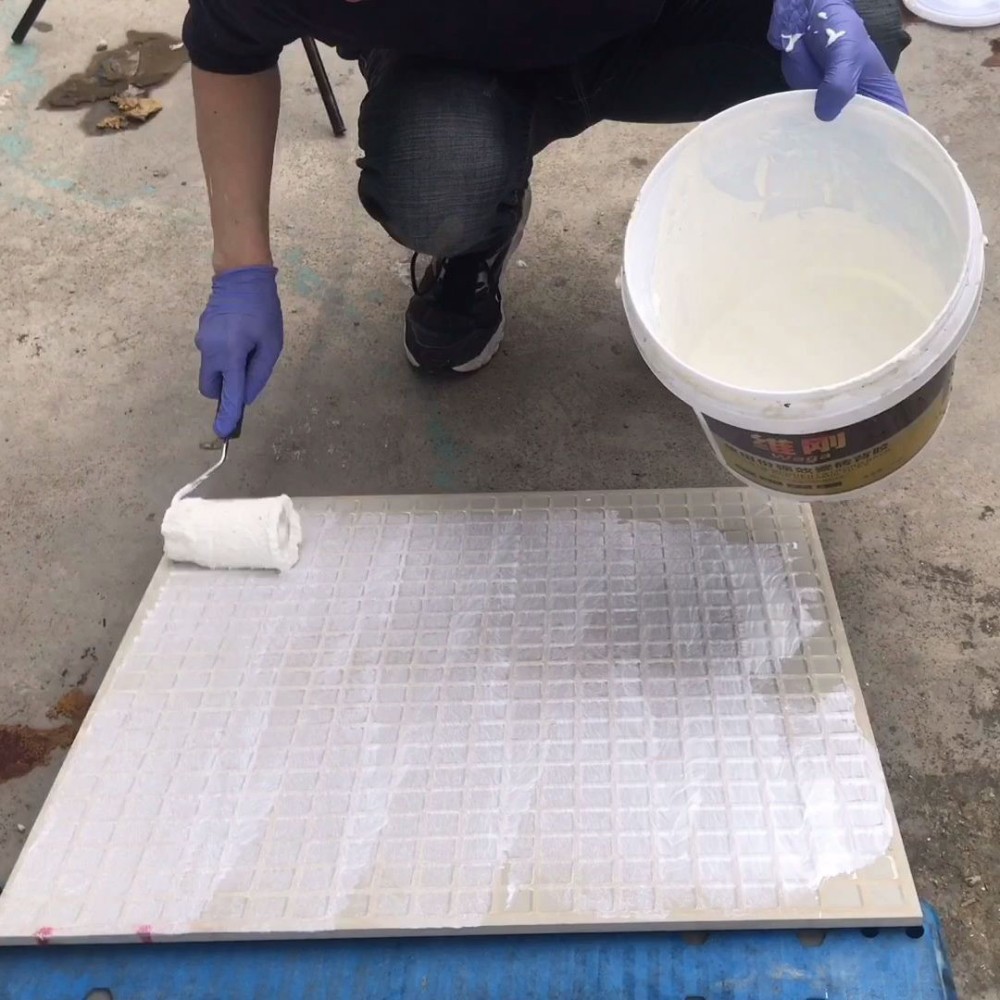
In tile laying construction, the correct use of tile adhesive is crucial for ensuring the laying quality and long-term durability, and the detailed control before construction and during the construction process is particularly important. The following are the key precautions to focus on before using tile adhesive and during the critical construction stages, helping construction personnel avoid common problems and ensure the construction effect:
1. Inspection of Substrate Foundation: Ensuring Laying Stability
The verticality and flatness of the substrate directly determine the overall effect and firmness of the tiled surface after laying, which is a core preparation work before construction. Construction personnel must use professional testing tools (such as a 2-meter straightedge, laser level) to conduct a comprehensive inspection of the laying substrates such as walls and floors: if the flatness error of the substrate surface exceeds 3mm/2m, or the verticality deviation is greater than 2mm/1m, it is necessary to first treat it by means of cement mortar leveling, grinding, etc. This avoids uneven application of tile adhesive due to an uneven substrate, which may lead to problems such as hollowing and cracking of tiles later. At the same time, it is necessary to clean up impurities such as dust, oil stains, and floating mortar on the substrate surface to ensure the substrate is dry and clean, thereby improving the adhesion between the tile adhesive and the substrate.
2. Specifications for Adhesive Slurry Use: Avoiding Performance Failure
After mixing, tile adhesive must be used up within the specified time (usually 1-2 hours, and specific requirements should refer to the product instructions). The bonding components of the dried adhesive slurry have undergone chemical changes, and its bonding strength is significantly reduced. Never mix the dried adhesive slurry with water for reuse. If it is used forcibly, the tiles will not bond firmly to the substrate, and there may be a risk of tile falling off in a short period of time, which seriously affects the construction quality. During construction, tile adhesive should be mixed in batches in proportion according to the on-site construction progress to ensure that the adhesive slurry mixed each time can be used up within the valid time.
3. Reserved Expansion Joints: Coping with Thermal Expansion and Contraction
Reasonable expansion joints must be reserved between tiles, and between tiles and the edges of walls/floors. This is an important measure to cope with temperature changes and substrate shrinkage. If no expansion joints are reserved, when the ambient temperature changes (such as high temperature in summer and low temperature in winter) or the building settles slightly, the tiles are prone to arching and cracking due to stress concentration. Under normal circumstances, the width of expansion joints for ordinary tile laying is recommended to be 2-5mm. For large-sized tiles (side length ≥ 600mm) or outdoor laying scenarios, the width of expansion joints should be appropriately increased to 5-8mm. Specific adjustments can be made according to the tile material, laying environment, and product requirements.
4. Post-Construction Maintenance: Ensuring Bonding and Curing
After the tiles are laid, the tile adhesive needs a certain period of time to complete curing and form stable adhesion. During this period, the maintenance time must be strictly controlled. Within 24 hours after the completion of laying, it is strictly forbidden for personnel to step on, stack heavy objects, or perform joint filling operations. If disturbance occurs too early, it may cause tile displacement and insufficient curing of the adhesive slurry, affecting the bonding effect. After 24 hours, it is necessary to first check whether there is hollowing in the tiles (which can be judged by tapping with a small hammer). Only after confirming that there is no problem can joint filling be carried out. During joint filling, it is necessary to prevent the joint filler from entering the gaps where the tile adhesive has not been fully cured, so as to avoid affecting the later strength of the tile adhesive.
5. Environmental Temperature Control: Ensuring Construction Performance
The bonding performance of tile adhesive is closely related to the construction ambient temperature, and the suitable temperature range for use is 5℃~40℃. If the ambient temperature is lower than 5℃, the curing speed of the tile adhesive will be significantly slowed down, and it may even freeze, resulting in insufficient bonding strength; when the temperature is higher than 40℃, the water in the adhesive slurry evaporates too quickly, which easily leads to surface drying and internal uncuring, which also affects the bonding effect. If construction is required in an extreme temperature environment, it is necessary to select a special tile adhesive with low-temperature or high-temperature resistance, and take corresponding protective measures (such as building a thermal insulation shed in low temperatures and sprinkling water to cool down in high temperatures).
6. Estimation of Usage: Avoiding Waste and Shortage
The coverage area of tile adhesive is not a fixed value and needs to be flexibly adjusted according to the specific conditions of the project. The factors affecting the usage mainly include: tile size (larger-sized tiles require a thicker adhesive layer and thus more usage), the texture of the tile back (a rough back requires more adhesive than a smooth back), the flatness of the substrate (an uneven substrate requires more adhesive for leveling), and the construction method (the thin-layer pasting method uses less adhesive than the thick-layer pasting method). Before construction, it is recommended to estimate the usage based on the tile specifications, laying area, and the reference dosage in the product manual (usually 3-8kg/㎡), and reserve a 10%-15% margin. This avoids delaying the construction due to insufficient dosage or causing waste due to over-purchasing.
7. Product Storage Management: Ensuring Product Quality
Unused tile adhesive must be properly stored to prevent moisture and deterioration. It should be stored in a cool, dry, and well-ventilated indoor environment, avoiding direct sunlight, rain, or proximity to water sources. The shelf life of unopened tile adhesive powder is usually 12 months. During storage, attention should be paid to the stacking height to prevent the products at the bottom from being compressed and caked; if the product has been opened, the bag mouth should be sealed in time to prevent the powder from absorbing moisture and caking. It is recommended to use up the opened product within 1 month. Before use, it is necessary to check whether the product is within the shelf life. If the powder is found to be caked, discolored, etc., it should be prohibited from use.
If you have any questions during the purchase and construction of tile adhesive, or need professional tile adhesive service support, you can contact us at any time. We will provide you with suitable product recommendations and construction guidance to help you efficiently complete the tile laying project.